
Cycling Sensations: Pedaling Through the World’s Most Breathtaking Landscapes
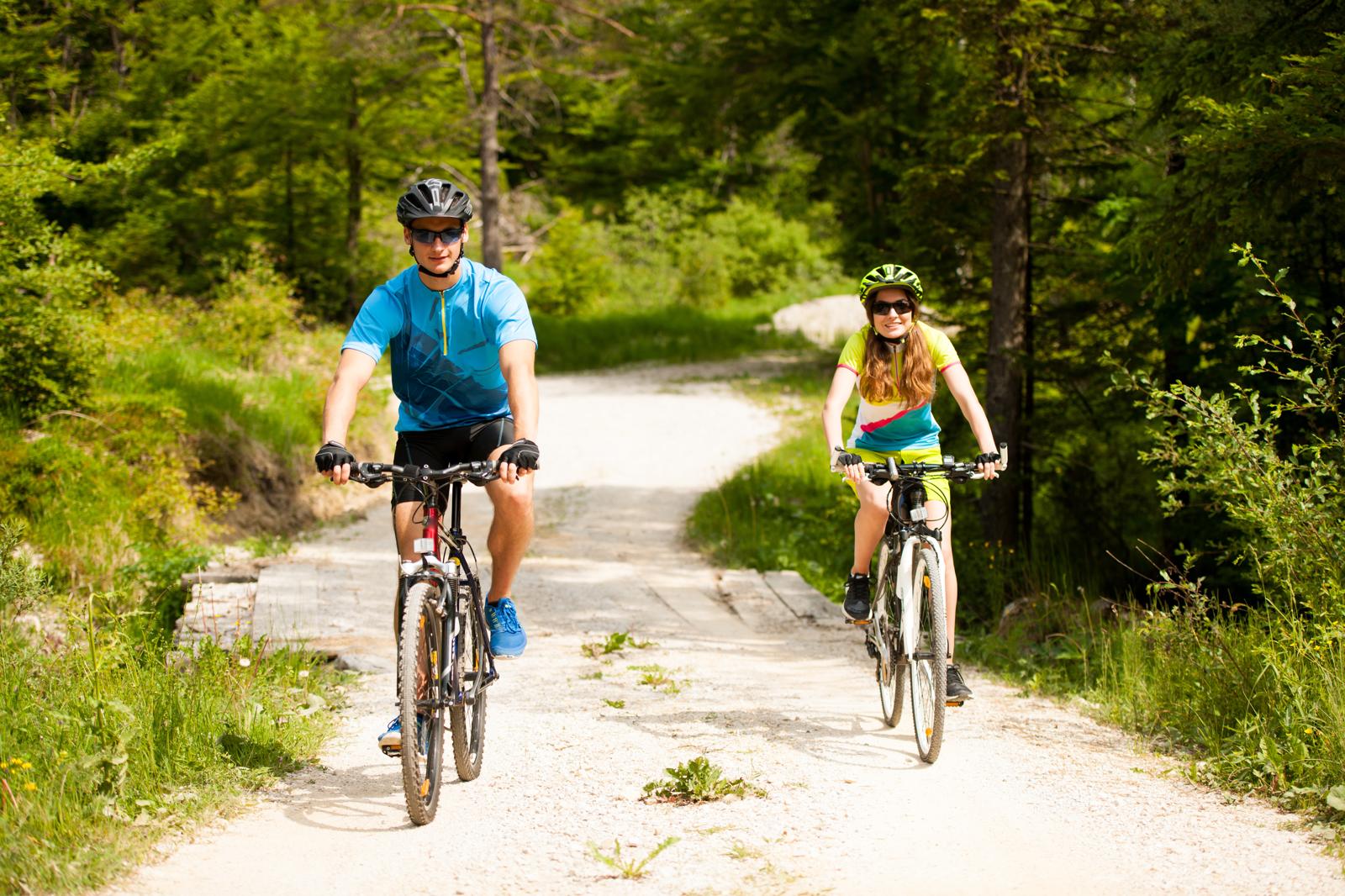
Cycling is not just a mode of transportation or a weekend hobby; it’s a way of life for many and a sport that combines physical prowess with strategic depth. Whether you’re someone who straps on a helmet for the daily commute or a dedicated athlete who lives for the thrill of the race, there’s no denying the appeal of cycling. It offers a unique blend of individual challenge and communal spirit, a low-impact exercise accessible to all ages, and an eco-friendly alternative to motorized travel. In this article, we will dive into the world of cycling, exploring its benefits, the various types of cycling, essential gear, and tips for getting started.
Understanding the benefits of cycling
Cycling is lauded for its numerous health benefits, which extend beyond the physical to include mental and environmental advantages. When you cycle, you engage major muscle groups, promoting cardiovascular health, increasing endurance, and building strength. It’s also an excellent way to manage or lose weight since it burns calories and boosts metabolism. However, cycling isn’t just good for the body; it’s also beneficial for the mind. Riders often report improved mood and reduced stress levels after a session on the bike, thanks to the release of endorphins, also known as the body’s feel-good hormones.
Moreover, cycling is an environmentally sustainable activity. It reduces one’s carbon footprint by cutting down on greenhouse gas emissions associated with car travel. As cities become more congested, cycling offers a way to reduce traffic and improve air quality, making it an appealing option for eco-conscious individuals.
Different types of cycling
Cycling can be categorized into several disciplines, each with its unique characteristics and enthusiasts. Road cycling, perhaps the most well-known, involves riding specially designed bikes on paved surfaces. It’s popular among those looking to cover long distances at high speeds, often in groups or clubs. Road cyclists prioritize endurance, speed, and tactics, making it a thrilling and physically demanding sport.
Mountain biking, on the other hand, is all about off-road trails. Riders tackle a variety of terrains, from rocky paths to forested tracks, using robust bikes with wide tires and suspension systems. This type of cycling tests balance, technical skill, and bravery, as bikers navigate natural obstacles and steep inclines.
For those seeking a more urban-friendly option, commuter cycling is an efficient and practical choice. Commuter bikes are designed for comfort and durability, allowing riders to navigate city streets and bike lanes as they travel to work or run errands. This form of cycling not only promotes an active lifestyle but also helps alleviate urban traffic congestion.
Lastly, BMX and track cycling appeal to riders who favor agility and speed in controlled environments. BMX cyclists perform tricks and jumps on specially constructed parks and courses, while track cyclists whizz around velodromes, racing at breakneck speeds.
Cycling gear essentials
Having the right gear is crucial not only for comfort but also for safety and performance. The most important piece of equipment is, of course, the bicycle. When choosing a bike, consider the type of cycling you’ll be doing, the bike’s fit to your body, and your budget. A local bike shop can help with a suitable recommendation and fitting.
A helmet is a non-negotiable for cyclists of all levels. It’s vital for protecting your head in the event of a fall or collision. Look for a helmet that fits well, has good ventilation, and meets safety standards.
Other gear includes padded shorts for added comfort during long rides, cycling gloves to protect your hands and improve grip, and appropriate footwear that offers support and efficient power transfer. Lights and reflective accessories are also essential for visibility, especially if you plan to ride in low-light conditions.
For those intending to use their bike for commuting or long-distance rides, additional accessories like a water bottle, panniers, or a backpack can carry personal items and hydration needs.
Getting started with cycling
If you’re new to cycling or looking to get back into it, the key is to start small and gradually build up. Start with short distances on familiar, safe routes to build confidence and stamina. As you become more comfortable, you can increase the distance and complexity of your rides.
Joining a local cycling club or group can provide a supportive community, structured rides, and valuable advice from more experienced cyclists. Additionally, regular maintenance of your bike, including tire pressure checks, brake inspections, and chain lubrication, will ensure a safe and smooth ride.
Cycling is a versatile sport and mode of transportation that offers something for everyone. Whether you’re after improved fitness, an adrenaline rush, or a greener lifestyle, the world of cycling awaits. With the right gear, a bit of knowledge, and a willingness to pedal, you’ll soon discover the joy and freedom that come with this timeless activity.
