
What to See in Budapest? Uncover the Hidden Gems of Hungary’s Enchanting Capital
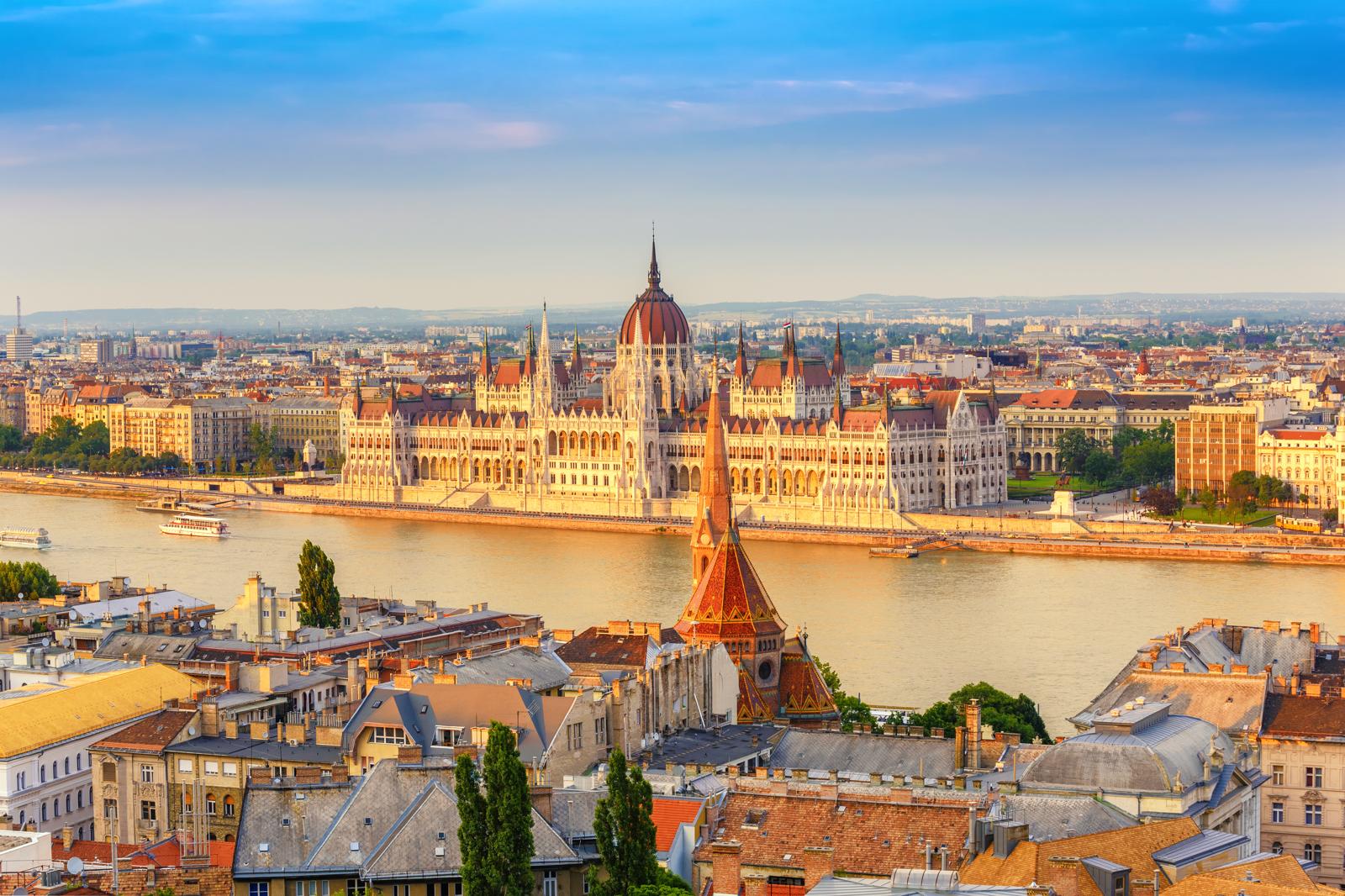
Budapest, the capital city of Hungary, is a treasure trove of architectural beauty, rich history, and vibrant culture. It’s a city where the old melds with the new, and every corner seems to have a story to tell. From its grandiose buildings that line the banks of the Danube to its steamy thermal baths, Budapest offers a diverse array of attractions that cater to all kinds of travelers. Whether you’re a history buff, a food connoisseur, or someone looking to immerse in the local culture, Budapest has something that will capture your imagination. In this article, we will explore some of the must-see sights and experiences that Budapest has to offer, ensuring that even those with no prior knowledge of the city can navigate its wonders with ease and appreciation.
Exploring the Buda Castle and Castle Hill
Perched on a hill overlooking the Danube, the Buda Castle and its surrounding area, known as Castle Hill, provide a historical journey into Hungary’s past as well as spectacular views of the city. The castle itself has been home to many Hungarian kings and now houses the Hungarian National Gallery and The Budapest History Museum. As you wander through the cobblestoned streets of Castle Hill, you’ll encounter a variety of medieval, baroque, and 19th-century buildings, churches, and monuments.
One of the highlights is the Fisherman’s Bastion, with its fairy-tale turrets, which offers a panoramic view of the Pest side of the city, including the iconic Hungarian Parliament building. Nearby, the Matthias Church stands with its colorful Zsolnay tiled roof and Gothic architecture, a venue for coronations and royal weddings throughout history. Don’t miss the chance to explore the labyrinth of caves beneath Castle Hill, a network that has served various purposes from wine cellars to bomb shelters throughout the centuries.
Embracing the Thermal Baths
Budapest is often called the City of Spas for its abundance of natural thermal springs. Visiting one of its many thermal baths is not just a relaxing experience but also a dip into a communal and historical tradition. The Széchenyi Baths, one of the largest spa complexes in Europe, offers a grand setting to unwind with its yellow, neo-baroque façades and outdoor pools that are open year-round. Alternatively, the Gellért Baths provide a more Art Nouveau ambiance, with beautifully decorated halls and a wave pool that is a hit among visitors.
These baths are more than just a place for leisure; they are social hubs where locals and tourists alike gather to relax, play chess on floating boards, and occasionally engage in spa parties known as “sparties”. The mineral-rich waters are believed to have therapeutic properties, offering a soothing remedy for various ailments and a unique way to experience the city’s leisure life.
Strolling Along the Danube Promenade
The Danube River is the lifeline of Budapest, dividing the city into its Buda and Pest sides. Walking along the Danube Promenade is an excellent way to take in the city’s architecture and atmosphere. Starting from the Chain Bridge, one of Budapest’s most famous landmarks, you can walk towards the Parliament building, admiring the views of Buda Castle and the hillside across the river.
As you stroll, you’ll come across the poignant Shoes on the Danube Bank memorial, a series of iron shoes cast into the concrete of the promenade. This powerful artwork commemorates the Jewish victims who were lined up along the riverbank during World War II. The promenade is also dotted with cafes and restaurants, providing opportunities to savor Hungarian cuisine or simply enjoy a coffee while soaking in the riverside ambiance.
Discovering the Jewish Quarter and Ruin Bars
The Jewish Quarter in Budapest is a neighborhood with a complex history that has transformed into a vibrant cultural hub. Here, you can visit the Dohány Street Synagogue, which is the largest synagogue in Europe and second largest in the world. Its striking architecture and poignant Holocaust memorial make it a key site to understand the city’s Jewish heritage.
In recent years, the quarter has gained fame for its ruin bars, a unique breed of pubs that have sprung up in the abandoned buildings and courtyards of the district. These bars, such as the well-known Szimpla Kert, are characterized by their eclectic, makeshift decor, ranging from old furniture to random knick-knacks, creating an atmosphere that’s both quirky and inviting. The area around these bars has become a hotspot for nightlife, with an array of eateries, clubs, and cultural events that showcase the city’s contemporary artistic and social scene.
Budapest, with its rich history, stunning architecture, and engaging culture, offers visitors a multifaceted experience. Whether you’re mesmerized by the panoramic views from Castle Hill, relaxing in a thermal bath, enjoying a leisurely walk along the Danube, or experiencing the dynamic nightlife of the Jewish Quarter, you’ll find that Budapest is a city that both cherishes its past and celebrates its present. It’s a destination that invites exploration and promises a journey filled with wonder and discovery.
