
Sumo Sensation: Japan’s Heavyweight Heroes Defying Gravity and Tradition
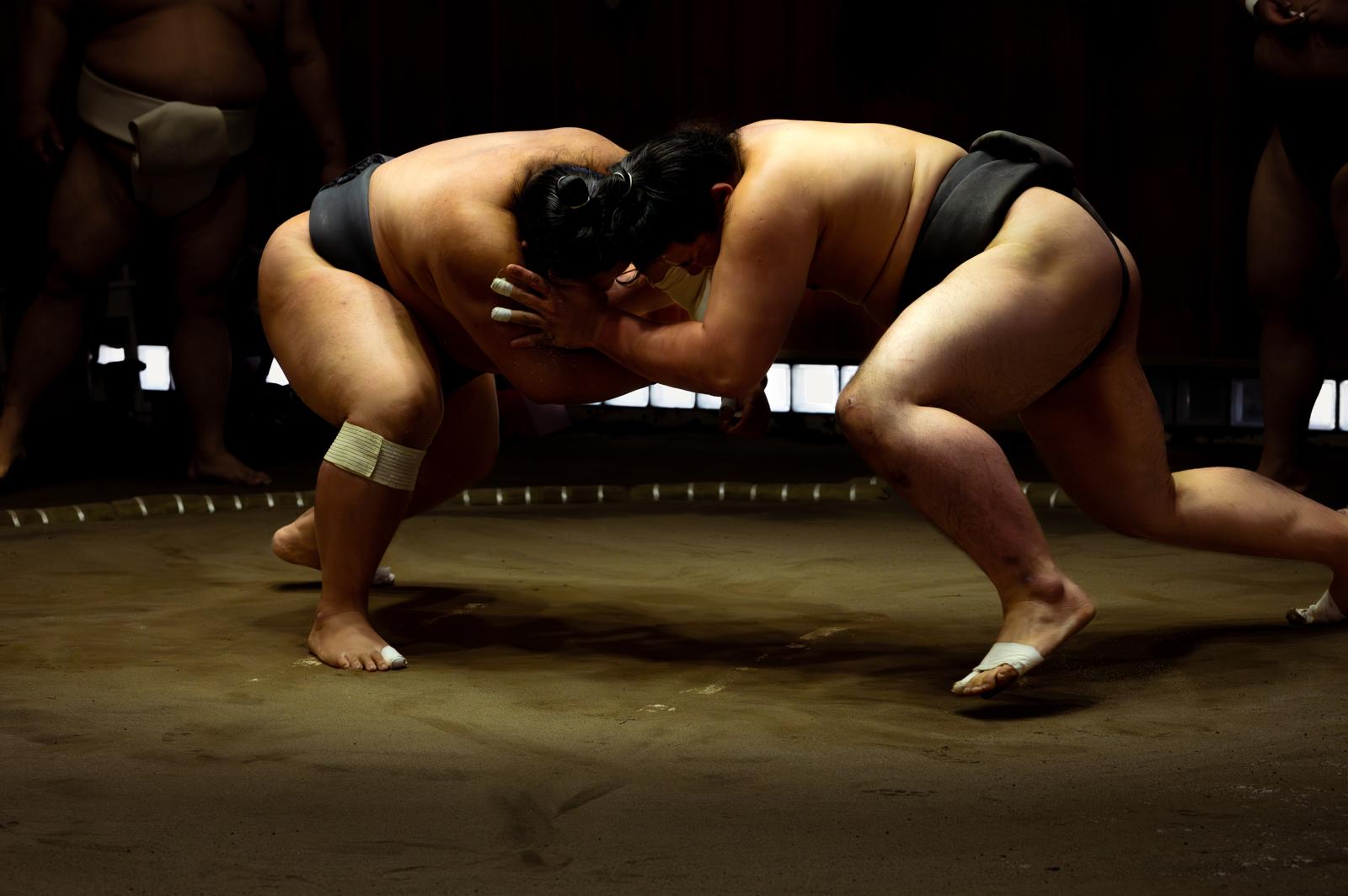
Sumo, the traditional Japanese sport, has intrigued and fascinated people across the globe for centuries. Unlike Western wrestling, sumo is steeped in ritual and tradition, making it a unique blend of combat sport, cultural exhibition, and religious ceremony. This sport is more than just a test of strength and skill; it’s an enduring symbol of Japan’s cultural heritage, reflecting values such as honor, respect, and perseverance. In this article, we will delve into the world of sumo, exploring its history, the life of sumo wrestlers, the rules and rituals of the sport, and its significance in Japanese culture.
The Roots of Sumo
The origins of sumo can be traced back over a thousand years, making it one of the oldest sports in recorded history. Though it was originally performed to entertain the Shinto deities during festivals, sumo gradually evolved into a public sport. Many ancient rituals are still preserved, such as the use of salt purification before a match, which is a Shinto practice to ward off evil spirits. Professional sumo, as we know it today, began in the Edo period in Japan and has been professionalized and institutionalized since then.
Sumo matches take place in a dohyo, a specially constructed ring made of clay and sand. This ring is considered sacred and is ritually purified before tournaments. The aim of the sport is straightforward: wrestlers, or rikishi, must force their opponent out of the ring or make any part of his body other than the soles of his feet touch the ground.
Life as a Sumo Wrestler
Becoming a sumo wrestler, or rikishi, is a life-changing decision that involves rigorous training and adherence to a strict lifestyle. Aspiring sumo wrestlers usually join a training stable, known as a heya, where they live, train, and learn the ways of sumo. Life in a sumo stable is hierarchical, with lower-ranked wrestlers performing chores and serving their higher-ranked counterparts.
The life of a rikishi is highly regimented, with their day starting early in the morning with training and practice bouts. Physical conditioning is a crucial aspect of their training regimen, as is the practice of shiko, the traditional leg-stomping exercise that improves leg strength and flexibility. A sumo wrestler’s diet is also specialized; they consume a high-calorie stew known as chanko-nabe to help them gain weight, which is an advantage in the sport.
Sumo wrestlers are expected to maintain a traditional appearance, which includes growing their hair long to form a topknot, or chonmage, and wearing traditional Japanese dress when in public. This adherence to tradition extends beyond their appearance, as they are also expected to uphold the virtues of humility, dignity, and respect in their daily lives.
Rules and Rituals
Sumo is governed by a set of rules and rituals that maintain its traditional character. Each match begins with a series of rituals, including the ceremonial stomping, the throwing of salt into the ring for purification, and the displaying of the sumo’s ceremonial apron, or kesho-mawashi. These pre-match rituals can take longer than the match itself, which often lasts only a few seconds.
The rules of sumo are simple yet strict. As mentioned earlier, to win a bout, a wrestler must force his opponent out of the dohyo or make him touch the ground with any part of his body besides the soles of his feet. There are no weight classes in professional sumo, meaning that wrestlers often face opponents of different sizes, adding to the strategy and technique involved in the sport. Various techniques are used in sumo, ranging from throws, to trips, to straightforward pushes. Illegal moves, such as pulling hair, striking with a closed fist, or grabbing the opponent’s loincloth, are strictly prohibited.
Cultural Significance
Sumo is not just a sport; it is a living testament to Japanese culture and tradition. It encapsulates the essence of Japanese aesthetics and values, serving as a window into the country’s cultural psyche. Sumo tournaments, or honbasho, are major events in Japan, drawing large crowds and considerable media coverage. The sport’s top-ranked wrestlers, particularly those who have reached the rank of Yokozuna, are national celebrities and are revered for their skill and dedication to the sport.
Sumo also plays a role in fostering community and national pride. Local tournaments and exhibition matches often take place during festivals and special occasions, serving as a source of entertainment and cultural celebration. The sport’s emphasis on respect, discipline, and tradition resonates deeply with the Japanese public and has helped sumo maintain its status as a cherished cultural activity.
In conclusion, sumo is more than a mere physical contest; it is an emblematic facet of Japanese cultural identity. From the life of a sumo wrestler to the rules and rituals of the sport, sumo weaves together history, tradition, and competition in a way that captivates audiences and honors the legacy of Japan. Whether witnessing the powerful clashes in the dohyo or appreciating the ceremonious aspects of the sport, sumo offers a unique and profound glimpse into the spirit and tradition of Japan.
