
Zanzibar: il momento perfetto per scoprire il paradiso delle spezie!
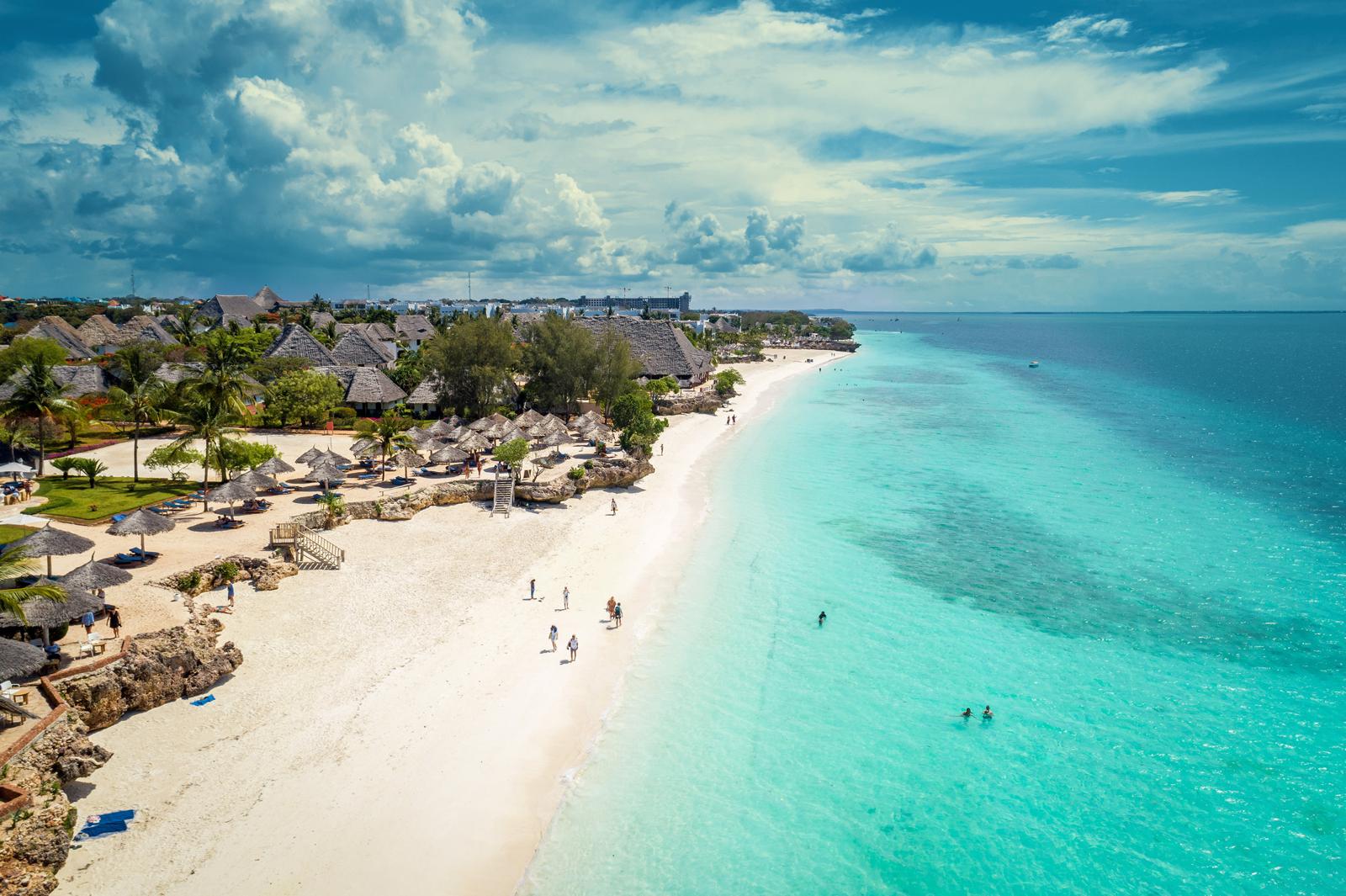
Nestled off the coast of East Africa, Zanzibar is an archipelago that entices travelers with its white sandy beaches, crystalline waters, and a rich tapestry of history and culture. This semi-autonomous region of Tanzania is not simply a single island; rather, it comprises the larger islands of Unguja (commonly referred to as Zanzibar) and Pemba, along with numerous smaller islets. The question of when to visit Zanzibar is a common one, as the timing of your trip can greatly affect your experience. Below, we delve into the nuances of Zanzibar’s weather patterns, seasonal activities, and cultural events to help you decide the best time for your visit.
Understanding Zanzibar’s Climate
Zanzibar’s proximity to the equator means the island enjoys a tropical climate, which is characterized by warm weather year-round. However, the climate is also influenced by the monsoon winds, which create two distinct rainy seasons. The long rains, known as ‘Masika’, typically occur from mid-March to late May, and are characterized by heavy and unpredictable showers. The short rains, or ‘Vuli’, happen from November to December, but are generally lighter and less disruptive to travel plans.
In between the rainy seasons are two dry periods. From June to October, you can expect clear skies and cooler temperatures, while January and February usually bring hot and dry conditions. These dry months are typically considered the high season for tourism in Zanzibar, with July and August, in particular, being peak months due to European summer holidays.
When to Experience Zanzibar’s Beaches
For many, the allure of Zanzibar lies in its stunning beaches. If lounging on powdery sands and swimming in turquoise waters are your priorities, the best time to visit is during the dry season. June to October offers pleasant weather, with temperatures ranging from 25 to 28 degrees Celsius (77 to 82 degrees Fahrenheit), creating ideal conditions for sunbathing and water sports. The waters are generally calm and visibility is good for snorkeling and diving, particularly in areas like Mnemba Atoll and around Pemba Island.
The second dry season, from January to February, is hotter and more humid but equally good for beach activities. Despite the higher temperatures, the Indian Ocean breeze can provide a refreshing reprieve from the heat. Keep in mind, however, that these are popular times for tourists, so beaches may be busier, and prices for accommodation and activities can be higher.
Engaging with Local Culture and Festivals
Zanzibar is not just about natural beauty; it’s also a vibrant cultural hub with a mixture of African, Arab, Indian, and European influences. The island’s cultural calendar is dotted with festivals and events that can provide a unique insight into the local way of life. One such event is the Zanzibar International Film Festival, which takes place in July and showcases films, music, and performances from across Africa and the Indian Ocean region.
Sauti za Busara, another highlight, is a music festival held in February that celebrates African music. It’s an excellent opportunity to witness live performances from a variety of genres, from traditional taarab to contemporary African beats. Travelers interested in these cultural experiences should plan their trip to coincide with these festivals.
Exploring Zanzibar Beyond the High Season
Traveling to Zanzibar outside of the high season periods can offer distinct advantages. During the shoulder months, such as early June or late October, you can often enjoy the pleasant weather and beautiful beaches without the crowds. Additionally, prices for flights and accommodations are typically more affordable during these times.
The short rains in November and early December usually do not last all day, which means you can still enjoy outdoor activities. This can be an ideal time for those who prefer a more tranquil, secluded experience. It’s also a good period for those interested in seeing the island’s lush landscapes, as the rains bring out the vibrant greenery.
Furthermore, visiting during the start of the long rains in March can offer a unique perspective of the island, allowing you to see a different side of Zanzibar as it prepares for the wet season. Although you may experience some rain, you will have the chance to engage with locals in a more relaxed setting and benefit from the lowest prices of the year.
In Conclusion
Deciding when to travel to Zanzibar depends on what you want to get out of your visit. For beach lovers and those looking to explore the coral reefs, the dry seasons are the best times to go. Cultural enthusiasts may want to align their visit with the island’s festivals to experience Zanzibar at its most vibrant. Budget-conscious travelers and those seeking solitude might prefer the shoulder seasons or even the start of the rainy periods. Regardless of when you decide to go, Zanzibar’s enchanting allure is sure to provide an unforgettable experience.
