
What to See in Lucca: Unveiling the Hidden Gems of Tuscany’s Charming City
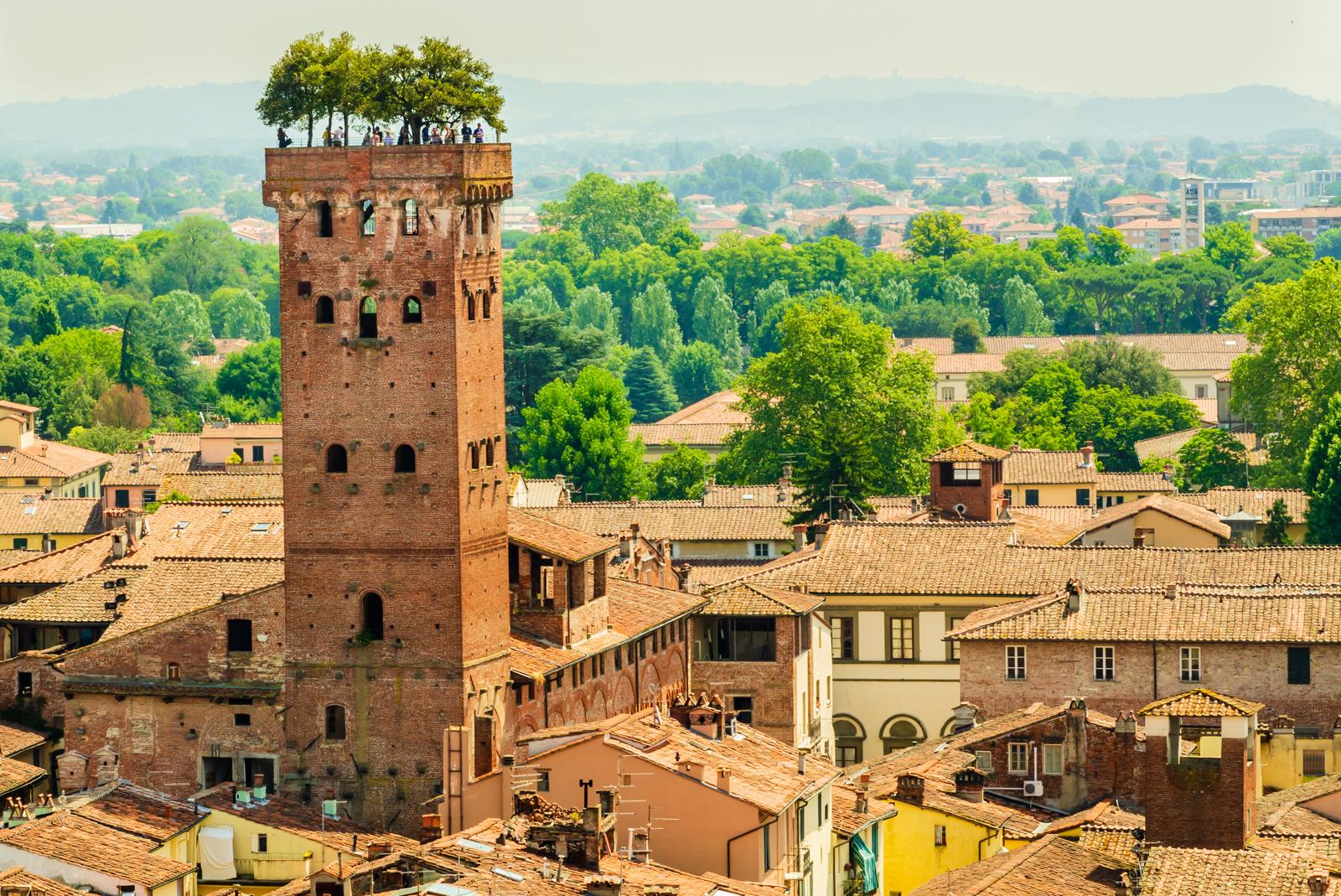
In the heart of Tuscany, nestled between the Apennine Mountains and the Tyrrhenian Sea, lies the charming city of Lucca. Known for its well-preserved Renaissance walls and cobblestone streets, Lucca offers a journey back in time to an era where art and culture flourished. This idyllic city is a treasure trove of historical architecture, stunning churches, and impressive monuments, making it a must-visit destination for anyone traveling through Italy. Here, visitors can immerse themselves in the city’s rich history while enjoying the serene atmosphere that pervades its ancient walls. Whether you’re a history buff, art lover, or simply in search of a picturesque Italian escape, Lucca has something to captivate every type of traveler. Let’s explore some of the most enchanting sites this medieval gem has to offer.
Exploring the Renaissance walls
One of Lucca’s most distinctive features is its Renaissance-era walls that encircle the old town. These formidable structures, once built for defense, now serve as a public park and are a focal point of local life. Visitors can take a leisurely stroll or rent a bicycle to ride atop the walls, enjoying panoramic views of both the city and the surrounding countryside. The walls, stretching over 4 kilometers, are wide and lined with a variety of trees, making them a perfect place for a picnic or a relaxing afternoon walk.
As you meander along the walls, you’ll come across several bastions and gates, each with its own history and architectural style. The walls have been impeccably preserved and are an excellent example of military engineering of the past. Taking a complete lap around the city on these walls is not only a great way to get your bearings but also provides a unique perspective on how the city has evolved over the centuries while maintaining its historical character.
Discovering Piazza dell’Anfiteatro
One of Lucca’s most iconic landmarks is the Piazza dell’Anfiteatro. This public square was built on the remains of an ancient Roman amphitheater, which once hosted gladiatorial games. Over time, the piazza has maintained its elliptical shape, reminiscent of the original amphitheater layout. Today, it is lined with colorful buildings, quaint shops, and delightful cafes, making it a bustling hub of activity.
The piazza is accessible through four arches that lead into the open space, each corresponding to the ancient entrances of the amphitheater. The atmosphere here is enchanting, as the echoes of Lucca’s Roman past blend with the vibrant daily life of its residents. Taking a seat at one of the outdoor cafes provides an excellent opportunity to soak in the ambiance, enjoy a coffee or gelato, and watch the world go by in this historic setting.
Marveling at Lucca’s churches
Lucca is often referred to as the “City of a Hundred Churches” due to the numerous religious structures dotting its landscape. These churches showcase a range of architectural styles from Romanesque to Gothic, and many contain incredible works of art. Perhaps the most famous of these is the Cathedral of San Martino, a stunning example of Romanesque architecture. The cathedral houses precious artworks, including the renowned Volto Santo, a venerated wooden crucifix, and the tomb of Ilaria del Carretto, sculpted by Jacopo della Quercia.
Another must-see church is San Michele in Foro, situated in the square of the same name. This church’s facade is a masterpiece of the Pisan-Lucca Romanesque style, adorned with a multitude of intricate carvings and statues. Its tall, slender appearance and the statue of the archangel Michael at its top make it an unforgettable sight.
Yet another notable church is the Basilica of San Frediano, which features a striking mosaic on its facade and is known for its well-preserved Romanesque architecture. Inside, visitors can admire a beautiful baptismal font and several frescoes dating back to the 13th and 14th centuries.
Visiting palaces and villas
Lucca’s historical significance is also reflected in its grand palaces and villas, many of which have been converted into museums that house a wealth of art and history. Palazzo Pfanner, for example, is renowned not only for its Baroque architecture but also for its splendid garden. The garden is an oasis of tranquility, with statues of Greek gods, lemon trees, and a central fountain. The interior of the palace is just as impressive, with rooms adorned with frescoes and antique furniture.
Another significant building is the Villa Guinigi, which now operates as the National Museum of Lucca. The museum hosts a collection of paintings and sculptures, with a focus on works from the Middle Ages and Renaissance periods. Its art pieces provide a narrative of Lucca’s artistic development and are a testament to the city’s cultural heritage.
Lucca is a city that seamlessly blends the allure of the past with the vibrancy of the present. Its streets whisper stories of ancient times, and its monuments stand as proud reminders of the city’s historical grandeur. It offers a truly immersive experience for anyone who walks through its gates, promising a journey full of discovery and awe. From the heights of its defensive walls to the sacred halls of its many churches, Lucca invites visitors to partake in its timeless beauty and enduring spirit. Whether you spend your time exploring centuries-old piazzas, admiring sacred art, or simply enjoying the Tuscan sun in a verdant garden, Lucca is a city that stays with you long after you’ve departed its enchanting confines.
