
Paddleball Phenomenon: The Rise of a New Racquet Sport Craze
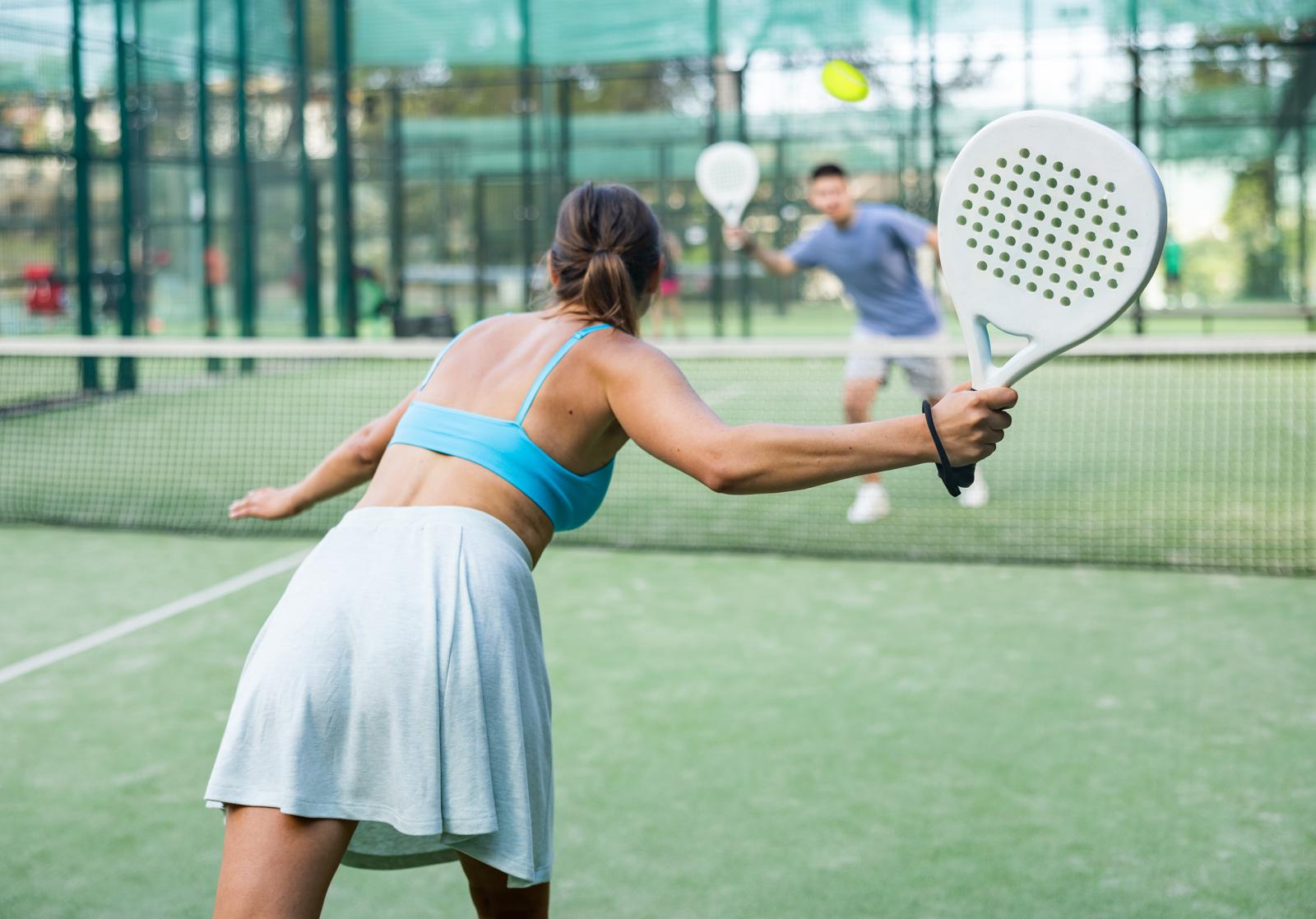
Paddleball: A Dynamic Sport for All Ages
Paddleball, often confused with its close relatives, racquetball and squash, is a lively racquet sport that combines elements of tennis, table tennis, and the aforementioned racquet sports. Despite being less well-known globally, paddleball has a fervent following and can be a highly engaging activity, offering a blend of strategy, athleticism, and fun. It’s a game that can be enjoyed both competitively and recreationally, and it’s accessible to a wide range of players, regardless of age or skill level.
Understanding the Basics of Paddleball
The game of paddleball is played on a court similar to that of racquetball, but with a few differences. The court is smaller, which promotes quicker exchanges and requires less running, making it an ideal sport for those looking for a fast-paced game that is not too demanding on the body. Paddleball can be played in singles or doubles format, with the latter being a great way to increase the social aspect of the game.
The equipment consists of a solid paddle, which is usually made of wood, composite, or graphite materials, and a small rubber ball. The paddles are smaller and less stringed than racquetball racquets, giving the player a different feel and control over the ball. The ball is slightly larger than a racquetball and less pressurized, which leads to longer rallies and a more strategic game.
Rules and Scoring
Paddleball shares some similarities with other racquet sports in terms of scoring and rules. The objective is to win points by serving the ball and rallying it back and forth until one player fails to return the ball legally. A legal return requires the ball to hit the front wall before touching the floor. Unlike racquetball, in paddleball, the ball can only bounce once on the floor, and hitting off the ceiling is considered a fault.
Scoring typically follows a traditional format where games are played to 21 points, and players must win by at least two points. In some variations, players only gain points when serving, known as ‘side-out’ scoring, which can lead to extended and fiercely contested games.
Health Benefits and Accessibility
One of the most appealing aspects of paddleball is the range of health benefits it offers. This sport provides an excellent cardiovascular workout, helping to improve heart health and stamina. The quick movements and need for agility can also enhance coordination, balance, and reflexes. Additionally, the sport’s social nature can contribute positively to one’s mental well-being, reducing stress and fostering a sense of community among players.
Paddleball is also notably accessible. It can be played indoors or outdoors, and courts are often found in community centers, schools, and sports clubs. The simplicity of the equipment and the basic rules make it easy for beginners to pick up the game, while the strategic depth ensures that more experienced players continue to find the game challenging and rewarding.
Strategies for Success
While paddleball is straightforward to learn, mastering the game requires strategic insight and practice. One key strategy is to control the center of the court, which allows the player to reach all corners of the court more easily and to dictate the pace of the game. Advanced players also use a variety of shots to outmaneuver their opponents, including drives, lobs, and kill shots – a low, hard shot aimed close to the front wall.
Another important aspect of strategy is serving. A well-placed serve can set the tone for the rally, and varying serves between power and placement can keep the opponent guessing. Moreover, understanding the opponent’s weaknesses and playing to them is crucial. For example, some players may struggle with backhand returns, so targeting that area could yield a tactical advantage.
Lastly, mental fortitude plays a significant role in paddleball. Remaining calm under pressure, maintaining focus during long rallies, and having the resilience to bounce back from setbacks can often make the difference between winning and losing.
A Sport for the Future
Paddleball, with its unique blend of simplicity and complexity, continues to win over new enthusiasts. As its popularity grows, so does the infrastructure around it, with more courts being built and more tournaments being organized. The sport’s governing bodies are also making strides in promoting paddleball, ensuring that it remains an engaging, healthy, and accessible sport for generations to come.
In conclusion, paddleball offers a compelling option for those seeking a new sport to try. Its easy-to-learn nature, coupled with the depth of strategy and the physical benefits it provides, makes it an excellent choice for individuals of all ages looking to stay active and enjoy the camaraderie of a sporting community. Whether you’re a seasoned athlete or a recreational player, paddleball is a sport that can be tailored to your level of competition and enjoyment, ensuring that there’s always a place on the court for you.
