
Track Cycling: Racing Towards Glory on the Olympic Velodrome
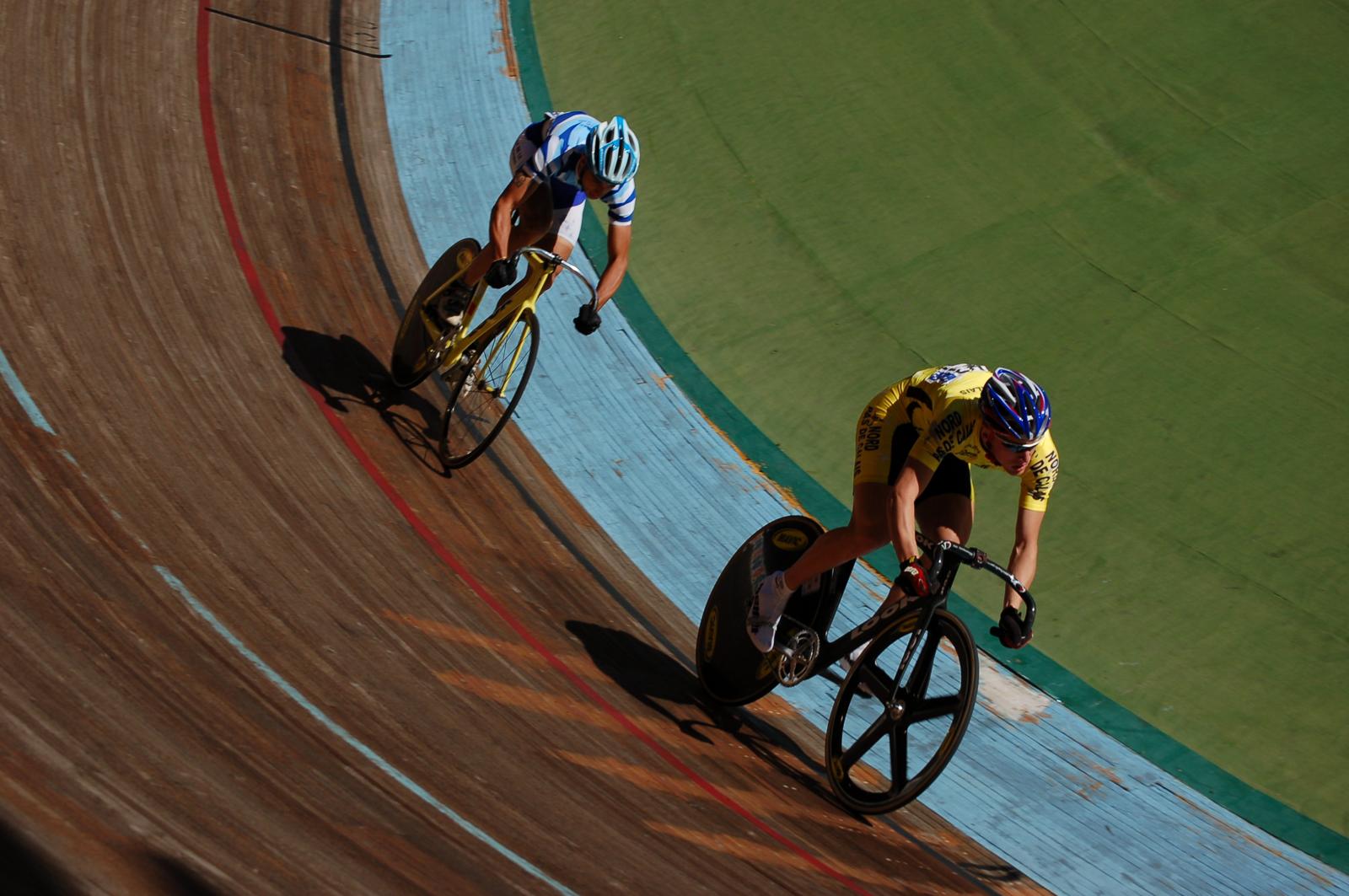
Cycling, one of the most physically demanding sports, has a variety of disciplines that challenge athletes in different ways. Among these, track cycling stands out as a unique and exhilarating form of racing that takes place within the confines of a velodrome. This sport is not just about pedaling as fast as you can; it’s about strategy, precision, and the fine art of bicycle handling on a track specifically designed for high-speed cycling. Track cycling attracts enthusiasts who are keen to understand the rules, the different events, and the skills required to excel in this sport. Whether you’re a casual observer or an aspiring cyclist, learning about track cycling can be both fascinating and informative.
Introduction to track cycling
Track cycling is conducted in a velodrome, an oval-shaped track with banked turns that allow for high-speed racing. These tracks can vary in length, but standard Olympic velodromes are 250 meters in circumference. The bicycles used in track cycling are different from those you might see on the road; they have a fixed gear and no brakes, which means cyclists need to use their leg strength to control their speed. Skillful manipulation of momentum is crucial as riders push their physical limits while maneuvering through the race.
Key events in track cycling
Track cycling comprises several events, each with its own set of rules and strategies. The most familiar events include the Sprint, Keirin, Team Sprint, Individual Pursuit, Team Pursuit, Omnium, and Madison. These races vary from explosive short distances to more strategic and endurance-focused events. The Sprint is all about raw power and speed over a short distance, while the Omnium tests the cyclist’s versatility over a series of races. Keirin, which originates from Japan, has cyclists follow a motorized pacer before unleashing their top speeds. Meanwhile, the Team Pursuit is a coordinated effort where teamwork and synchronization are as crucial as individual strength.
The anatomy of a track bike
Understanding the machinery used in track cycling adds another dimension to the appreciation of the sport. Track bikes are beautifully simple yet highly specialized for their purpose. They are lighter and sturdier than road bicycles, built to withstand the stresses of racing on steeply banked tracks. The absence of brakes and the fixed gear system mean that every movement of the pedal is directly translated into motion, thus requiring riders to maintain a high level of control especially at the speeds they reach. The bike’s design, with its aerodynamic frame and deep-section wheels, helps to minimize air resistance, allowing cyclists to maintain their high speeds with less effort.
Training and techniques
Track cyclists undergo rigorous training to compete. This training involves a combination of strength work, sprinting skills, and endurance sessions. Given the varied nature of track cycling events, it’s not enough to just be fast or strong; athletes must also be tactically astute. Positioning on the track, understanding when to attack or conserve energy, and reading the race are all learned skills. Cyclists spend countless hours perfecting their form and strategy, all of which are integral to success in the velodrome.
Track cycling represents a fascinating blend of raw power, finesse, and strategy, making it a captivating sport for both participants and spectators. With its specialized equipment and varied events, it provides a thrilling display of athletic prowess and competitive spirit. As an accessible sport for all ages, track cycling continues to inspire and challenge cyclists around the world. Whether you’re watching from the stands of a velodrome or pedaling on the track, the excitement and passion of track cycling are sure to draw you into its fast-paced world.
