
Synchronized Swimming: The Graceful Art of Aquatic Ballet
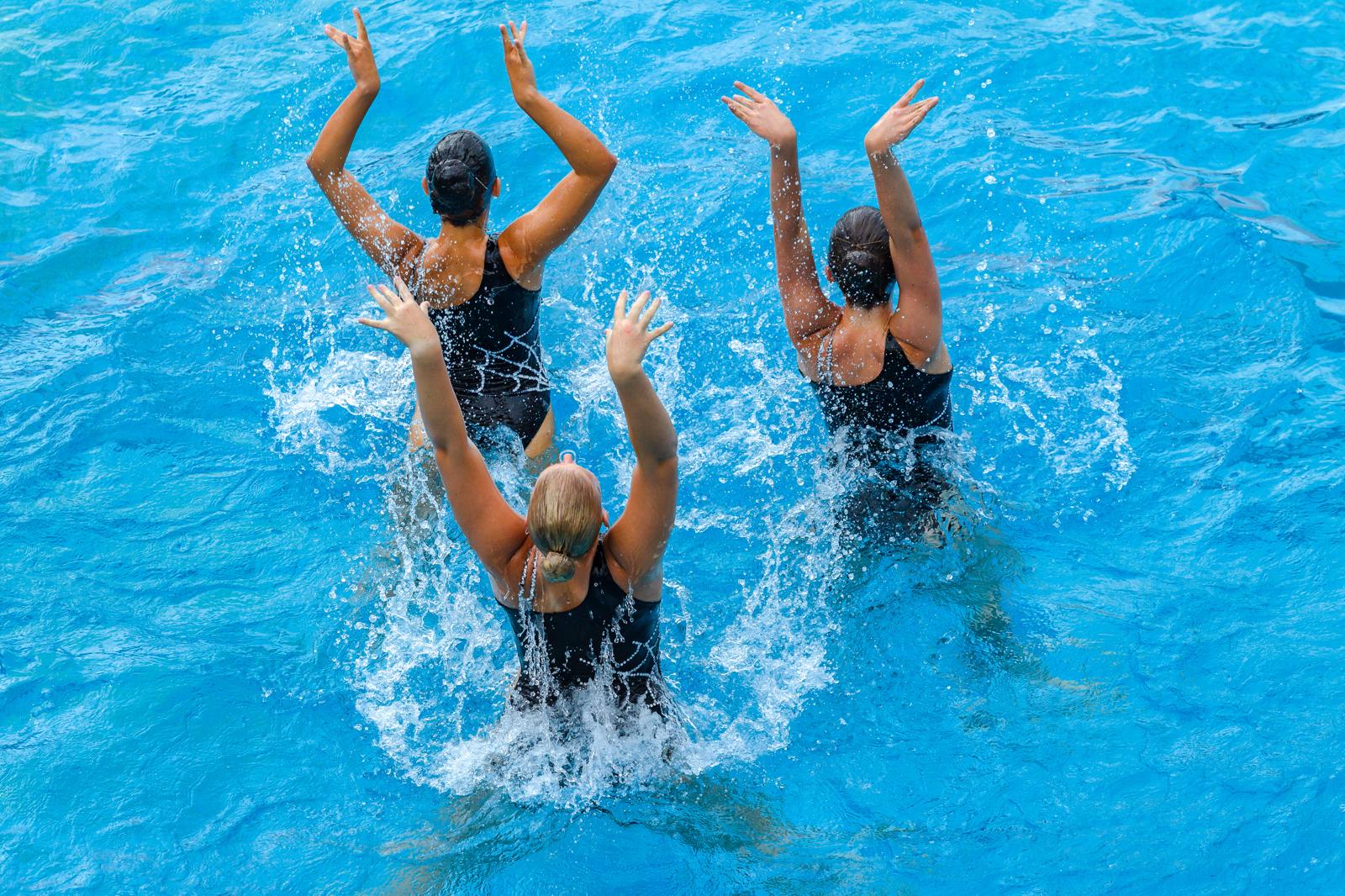
Synchronized swimming, often described as a combination of swimming, dance, and gymnastics, is a sport that captivates audiences with its grace, precision, and athleticism. Despite its seemingly effortless appearance, synchronized swimming demands a high level of strength, endurance, flexibility, and breath control, all while performers maintain a polished smile and synchronize their movements with their teammates and the music.
This water-based performance sport involves competitors (solo, duet, team, or combo) displaying their skills through elaborate routines choreographed to music. It’s a sport where first impressions are vital – the costumes, makeup, and overall presentation are just as important as the technical moves executed in the water. In this article, we’ll dive deeper into the captivating world of synchronized swimming, exploring its key elements, training requirements, and judging criteria, to give you a comprehensive understanding of this dynamic aquatic art form.
Understanding the basics of synchronized swimming
Synchronized swimming, also known as artistic swimming since a recent rebranding by the sport’s governing body, is an aquatic dance that requires swimmers to perform a synchronized routine of elaborate moves in the water, accompanied by music. Athletes use the beat and rhythm of the music to guide their movements, which must be precise and in harmony with their teammates.
The sport is performed in a deep pool, allowing swimmers to propel themselves up from the bottom or to stay afloat using a technique called the “eggbeater kick,” which provides stability and height above the water. This kick is a form of treading water that enables the swimmers to free their hands and perform various strokes.
Routines are comprised of a series of required elements and freeform movements that are judged on their artistry and technical execution. Swimmers must have exceptional breath control since they spend a significant portion of their routine underwater, only surfacing for quick breaths and to complete their movements.
Training for precision and endurance
Training for synchronized swimming is rigorous and requires dedication and discipline. Athletes often train for several hours a day, perfecting their technique, building stamina, and practicing routines. They work on developing their flexibility and strength through both land and water exercises. Dryland training often includes dance and gymnastics to help improve balance and coordination, which are crucial for performing the complicated lifts and throws seen in routines.
In the water, swimmers focus on building their endurance for swimming and improving their breath control. The eggbeater kick, a fundamental skill for synchronized swimmers, requires a lot of leg strength and practice to maintain body position while performing arm movements.
Swimmers also train to enhance their synchronization, both with the music and their teammates. This involves countless hours of practicing the same movements over and over until they become second nature. Teams spend ample time perfecting their timing to ensure that every arm stroke and leg kick is mirrored perfectly amongst the group.
Judging criteria and competition structure
In synchronized swimming competitions, routines are judged based on two sets of criteria: technical merit and artistic impression. The technical merit judges the difficulty and execution of the movements, including the height of the lifts, the synchronization, and the complexity of the figures. The artistic impression evaluates the creativity of the routine, the choreography, the use of music, and the overall presentation, including the swimmers’ expressions and the appeal of their costumes.
Competitions typically consist of several rounds, with each round featuring a different type of routine. For example, there may be a technical routine round where swimmers perform a routine with required elements, and a free routine round where they showcase their creativity and storytelling through movement. Scores from these rounds are combined to determine the winners.
The evolution of synchronized swimming
Synchronized swimming has come a long way since its inception in the early 20th century. What began as a form of entertainment has evolved into a highly competitive sport recognized worldwide. The inclusion of synchronized swimming in the Olympic Games since 1984 has helped to increase its popularity and visibility. Over the years, the sport has seen an increase in athleticism, with routines becoming more dynamic and physically demanding.
Advancements in underwater filming and photography have also allowed for a better appreciation of the sport’s complexity, showcasing the intricate movements that occur below the water’s surface. These technological advancements have given audiences a closer look at the precision and skill required to excel in synchronized swimming.
Synchronized swimming continues to evolve as athletes push the boundaries of what is possible in the water. With a growing number of participants and fans around the world, the sport is sure to maintain its status as a captivating and challenging aquatic discipline.
In conclusion, synchronized swimming is a sport that combines the grace of dance, the strength of gymnastics, and the endurance of swimming into a breathtaking display of aquatic artistry. It requires a tremendous amount of practice, synchronization, and dedication from its athletes. Whether you’re a seasoned enthusiast or a newcomer to the sport, the spectacle of synchronized swimming is sure to leave a lasting impression.
