
Table Tennis: Smashing into the Olympic Spotlight
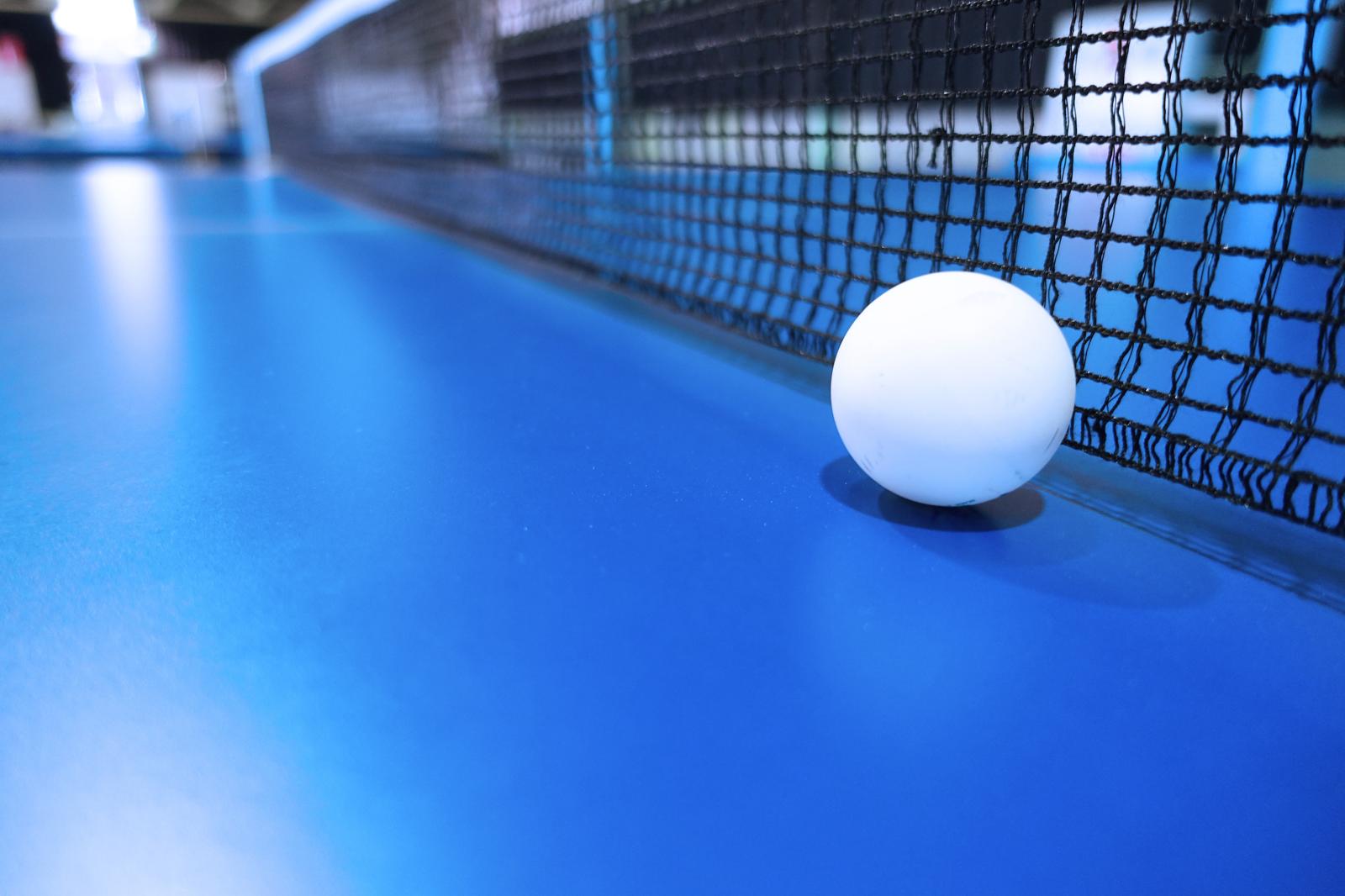
Table tennis, often referred to as ping pong, is a sport that manages to intertwine intensity, precision, and subtlety into a game that can be enjoyed at both amateur and professional levels. Unlike some other sports, it doesn’t require a large playing area or expensive equipment, making it accessible to a wide audience. Despite its seemingly simple format of hitting a lightweight ball back and forth across a table, table tennis is a sport rich in strategy, physical demands, and worldwide popularity.
**The basics of table tennis**
At its core, table tennis is a sport where two or four players hit a lightweight ball, known as the ping pong ball, across a table using small, solid rackets. The game takes place on a rectangular table that is divided by a net. The objective is to strike the ball in such a way that the opponent is unable to return it following the rules of play. A point is scored when a player fails to return the ball within the regulations.
The rules of table tennis are straightforward but necessitate a good deal of skill to apply effectively. Players serve the ball diagonally across the table, and it must bounce once on the server’s side and once on the opponent’s side. From there, players alternate hitting the ball back and forth. Matches are typically played as best of five or seven games, with each game played to 11 points. However, a player must win by at least two points, which can lead to some games extending well beyond the 11-point mark.
**Equipment and playing environment**
One of the aspects that makes table tennis so accessible is the minimal equipment required to play. The racket, often called a paddle or bat, has a flat surface and is usually covered with rubber on both sides. The ball, which is spherical and typically white or orange, is made of a lightweight celluloid or plastic material, measuring 40 millimeters in diameter, and weighs about 2.7 grams. The table is rectangular, measuring 2.74 meters long, 1.525 meters wide, and 76 centimeters high, with a net that is 15.25 centimeters high.
The playing environment also plays a crucial role in the game. Indoor playing conditions are preferred to minimize the effect of wind on the ball. A good-quality table tennis table will have a smooth, low-friction coating to facilitate a consistent bounce of the ball. Lighting is also an important factor, as glare or shadows can disrupt players’ vision and reaction time.
**Techniques and strategies**
While hitting a ball back and forth may seem simple, table tennis offers a rich variety of strokes and techniques. There are offensive shots like the loop, drive, and smash, which are used to create speed and spin, making it difficult for the opponent to return the ball. Defensive shots include the push and chop, which aim to reduce the speed of play and introduce backspin, complicating the opponent’s offensive strategies.
Understanding spin is crucial in table tennis. The rotation of the ball can drastically alter its trajectory and bounce, making spin one of the game’s most strategic elements. Players use different grips and wrist motions to impart a variety of spins, including topspin, backspin, sidespin, and combinations thereof.
Positioning and footwork are also vital. Players must constantly adjust their position to effectively respond to their opponent’s shots. Good footwork allows a player to maintain balance and be in the best position to execute a wide array of strokes.
**Popularity and cultural impact**
Table tennis is a globally recognized sport with professional leagues, international competitions, and a significant following in countries such as China, Germany, and Japan. The sport is governed by the International Table Tennis Federation (ITTF), which oversees rules and hosts several world-class events, including the World Table Tennis Championships.
The sport has also transcended its competitive nature to become a staple in recreational rooms around the world. Its cultural impact is evident in films, literature, and even politics, with the term “ping pong diplomacy” referring to the exchange of table tennis players between the United States and China in the early 1970s, which helped improve relations between the two nations.
Table tennis, with its combination of accessibility, rich tactical depth, and physical demand, continues to thrive both as a professional sport and as a beloved pastime. Whether it’s played in a community center, a basement, or on the international stage, it’s a sport that can be enjoyed by all, regardless of age or athletic ability.
