
Ski Orienteering: Navigating the Snowy Trails with Precision and Speed
Orienteering is a sport that challenges the mind as much as the body, requiring participants to navigate through diverse terrains using a map and compass. But imagine combining the physical demands of skiing with the intellectual challenge of orienteering. This fusion results in the thrilling winter sport of ski orienteering. Ski orienteering is a race against the clock, and it’s a test of endurance, strategic planning, and navigation skills, all while on skis. In this article, we’ll delve into the world of ski orienteering, explore the skills required, the equipment used, and the strategies that can give competitors an edge.
Understanding ski orienteering
Ski orienteering is a sport that blends cross-country skiing with the navigational challenge of orienteering. Competitors must ski to a series of checkpoints, or controls, set out on a specially prepared course that spans over various types of snow-covered landscapes. The catch? There’s no marked route; skiers must decide the quickest and most efficient path to follow using only a detailed map and a compass. The winner is the one who successfully navigates between all controls in the shortest amount of time.
Unlike other skiing competitions, ski orienteering places a heavy emphasis on the athlete’s ability to make quick decisions. Participants must constantly evaluate the terrain, snow conditions, and potential obstacles. They must decide whether it’s faster to ski around a dense forest or to venture straight through it, or to climb a steep hill or to find a gentler, albeit longer, slope. This constant decision-making makes ski orienteering an exhilarating and mentally stimulating sport.
Essential skills and preparation
To excel in ski orienteering, athletes must have a blend of skills. Firstly, they need to be proficient in cross-country skiing, as speed on skis is a fundamental component. Good physical condition enables competitors to maintain a high pace throughout the course. However, being a fast skier is not enough; navigational prowess is equally important. Athletes must be adept at reading maps quickly and using a compass accurately while on the move. This requires practice and a solid understanding of map symbols and orienteering techniques.
Preparation for ski orienteering involves both physical training and mental exercises. Physically, athletes work on their endurance, strength, and skiing technique. Mentally, they study maps and practice navigation in various conditions. Many ski orienteers spend hours analyzing past courses and simulating race situations to sharpen their decision-making skills. It’s this combination of physical and mental preparedness that enables them to navigate swiftly and accurately during competition.
Equipment for the race
When it comes to equipment, ski orienteering does not require much more than what is used in cross-country skiing. However, there are a few specifics that are crucial for the sport. Skiers use a specially designed map holder that is attached to their chest or waist, which allows them to read the map hands-free while skiing. This holder often swivels, enabling the athlete to keep the map oriented to the landscape without having to stop or slow down.
The map used in ski orienteering is highly detailed, showing contours, vegetation, and other features that help skiers make informed decisions about routes. It’s waterproof and durable to withstand the snowy conditions. The compass is typically a thumb compass, strapped to the athlete’s hand or ski pole, allowing for quick and easy navigation.
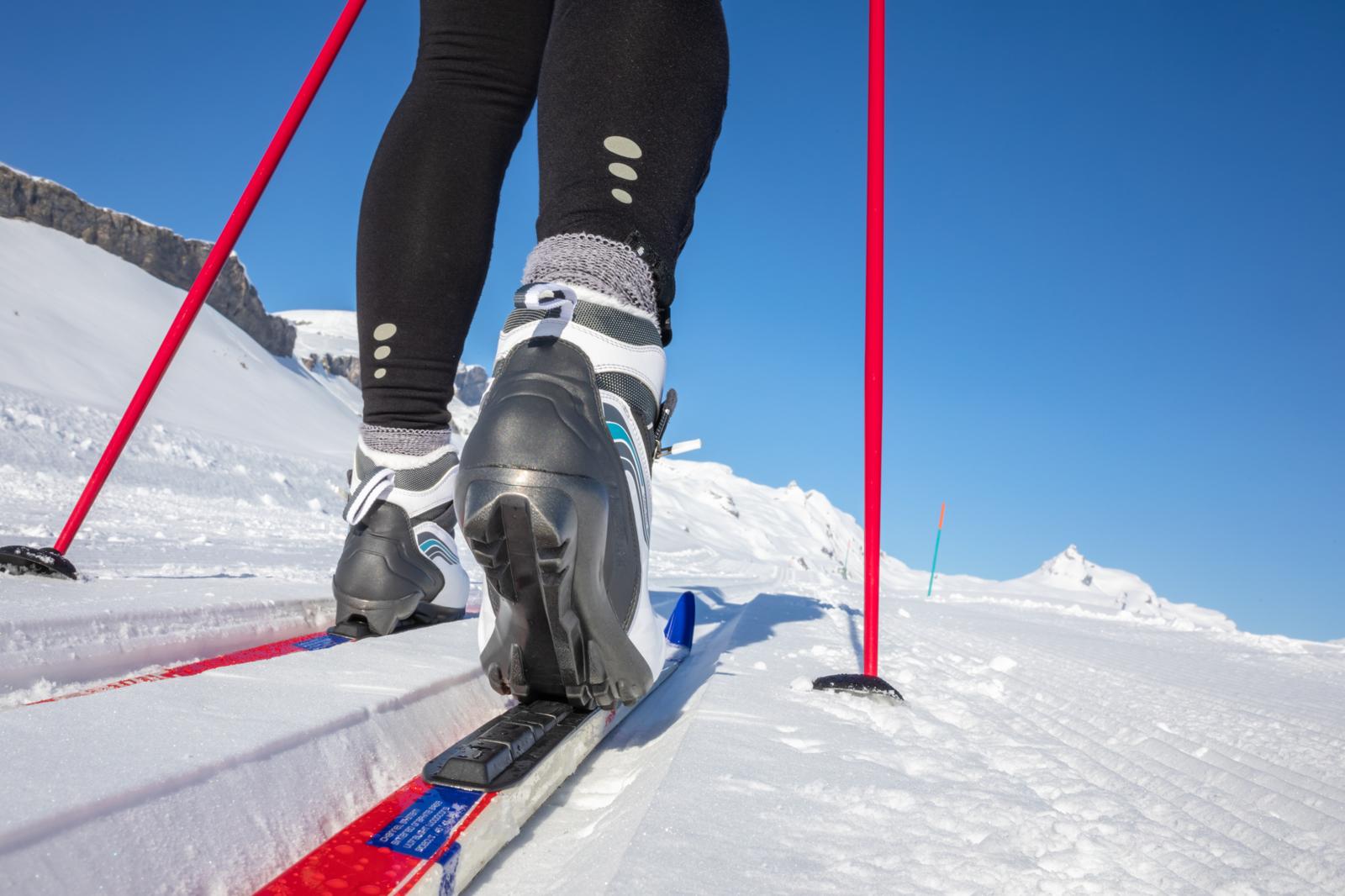
In addition to the navigation tools, competitors wear lightweight, breathable clothing suitable for intense physical activity in a cold environment. Ski equipment is similar to that used in cross-country racing, with lightweight, narrow skis and poles that are selected based on the athlete’s height and the snow conditions.
Strategies for success
Success in ski orienteering is not just about being the fastest skier or the best navigator; it’s about having the right strategy. Before the race starts, athletes are given a map with the controls marked on it, and they have a short amount of time to plan their route. This is when they must consider various factors such as the terrain, distance between controls, expected snow conditions, and their own strengths and weaknesses.
One common strategy is to choose a route that minimizes climb and takes advantage of downhill sections, even if it means going a longer distance. Another approach is to use trails and tracks that may be faster than skiing through unbroken snow, even if it involves some extra distance. Athletes must also decide when it might be worth taking a risk by cutting through complex terrain to save time.
During the race, flexibility in strategy is key. Competitors must be able to adapt their route choices on the fly in response to their own condition, mistakes, or unexpected terrain or snow conditions. Quick thinking and the ability to recover from errors without losing focus are traits that distinguish the top ski orienteers from the rest.
In conclusion, ski orienteering is a sport that offers a unique blend of physical and mental challenges. It requires endurance, speed, navigational skill, and strategic thinking, and it demands athletes to be adaptable and resilient. Whether you’re a seasoned orienteer looking to take your skills to the snow or a cross-country skier seeking a new challenge, ski orienteering provides an exciting and rewarding experience.
