
Darts Dynamics: Hitting the Bullseye in Modern Competitive Play
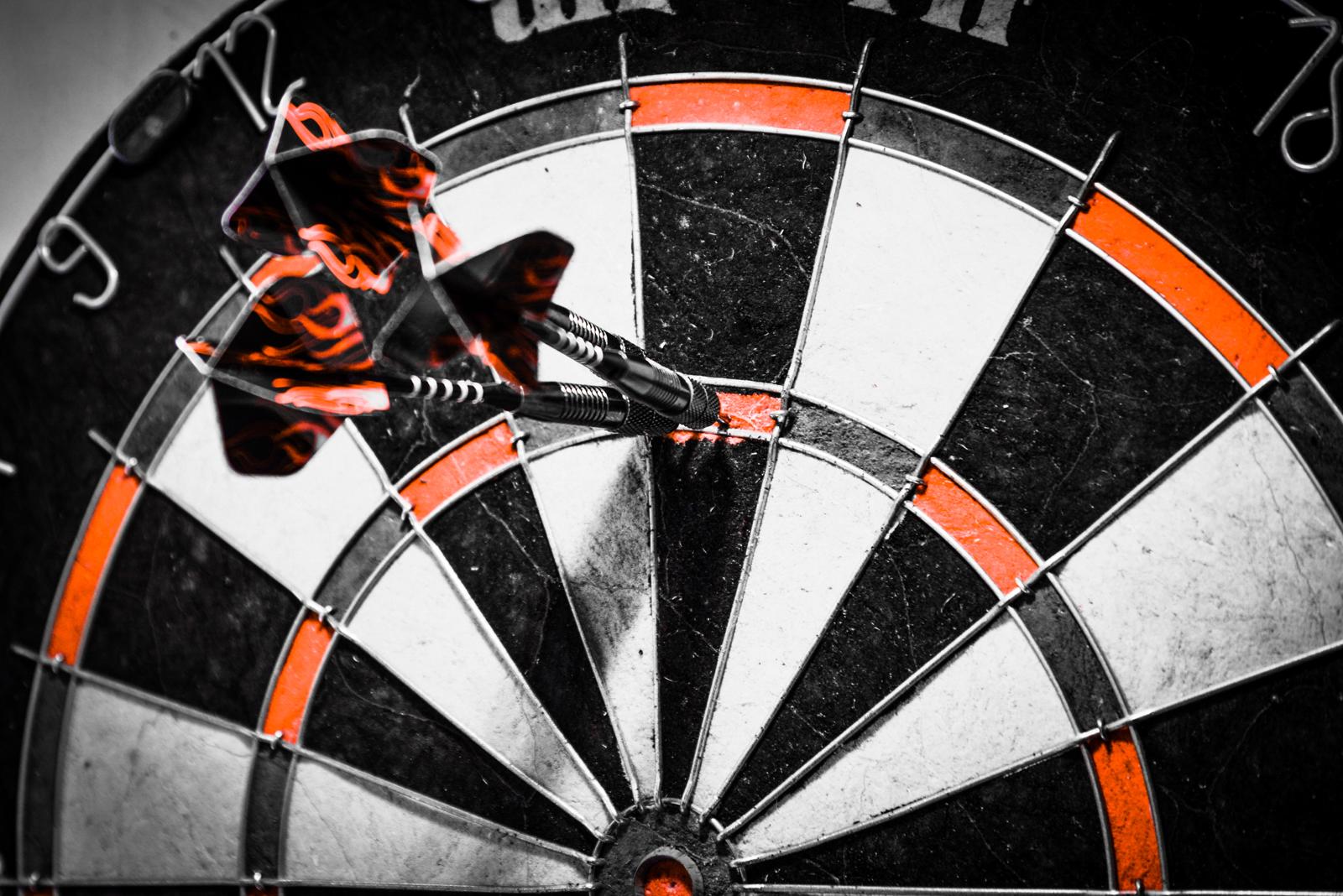
Darts is a game of precision, skill, and a little bit of pub culture that has managed to capture the attention of millions around the globe. Whether you’re in a bar in America, a pub in England, or at a professional darts championship, the essence of the game remains the same—throw darts at a circular target, known as a dartboard, and aim to score points with accuracy and consistency. This game, which may seem simple at a glance, harbors a rich history and depth of play that can take a lifetime to master. In this article, we’ll delve into the world of darts, exploring its origins, rules, equipment, and how to get started if you’re looking to become an aspiring darts player.
The origins of darts
Darts, as we know it today, has its origins in medieval England. It is believed that soldiers would throw short arrows or spearheads at the bottom of a wine barrel or a sliced tree trunk to pass the time and improve their aim. Over time, the game evolved, and the dartboard acquired its current segment design in the late 19th century, which was devised to penalize inaccuracy and reward skill. This design, now standardized, provides a uniform playing field for darts players worldwide.
The game gradually moved out of the barracks and into the public domain, becoming a staple in British pubs and eventually spreading to other parts of the world. Today, darts has a massive following and features highly competitive professional circuits, with players vying for titles in various international tournaments.
Understanding the dartboard and scoring
At the heart of the game lies the dartboard, a circular board divided into 20 numbered sections, ranging from 1 to 20. Each section is further subdivided into single, double, and triple areas, and there are two bullseye rings at the center—the outer bull and the inner bull, or bullseye. The singles area is simply the base score of the section, while the double and triple areas score double and triple points of the section number, respectively. The outer bull scores 25 points, and a dart in the bullseye scores a hefty 50 points.
A standard game of darts typically involves players starting with a fixed score, commonly 501 or 301, and taking turns to throw three darts per round with the objective of reducing their score to exactly zero. The catch, however, is that players must end the game by landing a dart in a double or the bullseye, a requirement known as “doubling out.” This simple yet strategic endgame adds a layer of complexity and excitement to darts, as players must carefully plan their throws to align with this finishing rule.
Darts equipment and setup
To play darts, you need a good-quality dartboard and a set of darts. Dartboards are typically made of sisal fibers or bristle and are designed to self-heal when darts are removed, ensuring longevity. The board should be hung securely on a wall with the bullseye 5 feet 8 inches from the ground—the official height used in professional play.
Darts come in various weights, sizes, and materials, catering to different preferences and throwing styles. A dart consists of four main parts: the point, the barrel, the shaft, and the flight. The point is the metal tip that penetrates the board, the barrel is where the player grips the dart, the shaft holds the flight, and the flight stabilizes the dart in the air. Players often experiment with different combinations of these components to find the setup that suits them best.
Getting started with darts
If you’re new to darts and eager to start playing, the best approach is to get a feel for the game by practicing your throwing technique. Begin by finding a comfortable grip on the dart’s barrel and a stance that feels natural. Some players prefer to stand with their dominant foot forward, while others may position themselves sideways—experiment to find what gives you the most stability and accuracy.
Focus on developing a consistent throwing motion, aiming to release the dart smoothly at the end of your forward swing. Practicing your aim on different parts of the dartboard will help improve your precision and familiarize you with the scoring segments. Remember, darts is as much a mental game as it is a physical one, so patience and practice are key.
As you progress, you might consider joining a local darts league or participating in amateur tournaments to experience the competitive side of the game. This can provide valuable experience, allowing you to learn from more seasoned players and refine your technique under the pressure of competition.
Darts is a game that is easy to start but challenging to master. Its blend of skill, strategy, and sociability makes it uniquely appealing to a wide range of people. Whether you aspire to play professionally or simply enjoy a casual game with friends, darts is a rewarding pursuit that combines the thrill of competition with the joy of personal improvement. So grab a set of darts, step up to the oche—the line players stand behind when throwing—and let the game begin.
