
Floorball Frenzy: The Sport Sweeping the Globe
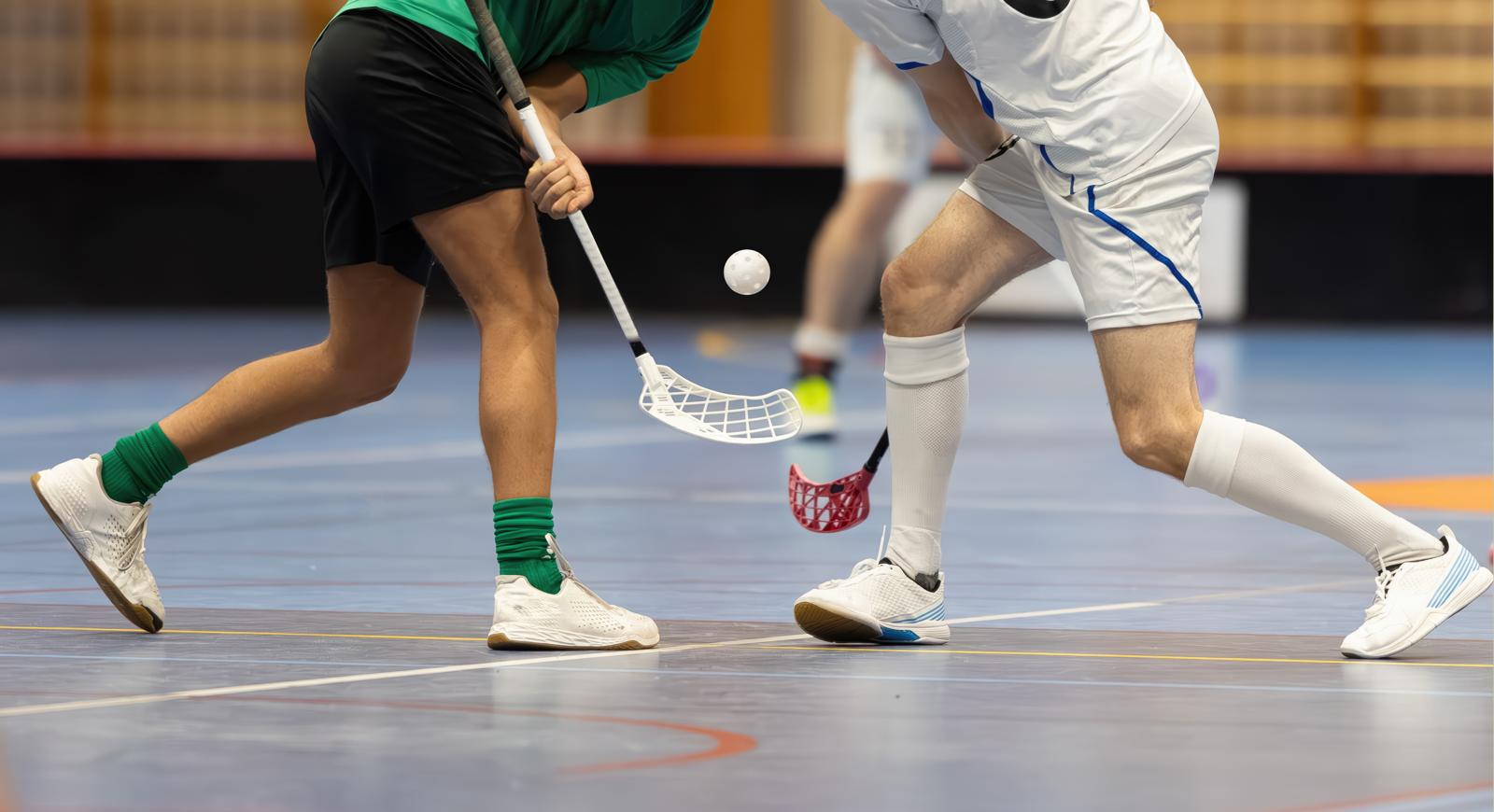
Floorball, a sport that has been gaining international popularity, is a type of floor hockey with five players and a goalkeeper on each team. It’s a game of speed, skill, and strategy, played indoors on a rink with a small plastic ball and lightweight sticks. Despite its relative obscurity in some countries, floorball is appreciated for its accessibility, inclusive nature, and the fact that it promotes physical fitness. As we dive into the world of floorball, we’ll explore its origins, how it’s played, the equipment required, and why it’s rapidly becoming a favorite in schools and recreational leagues.
Understanding the basics of floorball
Floorball is a fast-paced, high-energy sport that shares similarities with ice hockey, although it’s played on a flat floor surface. The objective is to score more goals than the opposing team within the set match time. A standard floorball game consists of three twenty-minute periods with intermissions in between. It’s recognized for its emphasis on fair play and safety, with rules that restrict high-sticking, slashing, and body checking, making it a safer option for all age groups.
The game is played on a rink that is about the size of a basketball court, enclosed by 50cm high boards to keep the ball in play. The goals are smaller than in soccer or hockey, demanding greater precision from the players. The fast-paced nature of the game, coupled with the smaller playing area, ensures that players engage in a high level of physical activity, making for an excellent cardiovascular workout.
The growth and spread of floorball
Originating in Sweden during the 1960s, floorball quickly spread across the Scandinavian countries and became a familiar sport in schools due to its simplicity and minimal equipment requirements. Its popularity soared in the 1970s and 1980s, leading to the formation of national and international governing bodies. Today, floorball is played around the world, with national teams competing in world championships. Its burgeoning popularity has led to its recognition by the International Olympic Committee, and it’s considered a potential future Olympic sport.
One of the reasons for floorball’s expansion is its inclusivity. It’s easy to learn, and people of all ages and skill levels can participate. Furthermore, it’s not gender-specific; both men’s and women’s leagues exist, often with equal prominence. The sport has also been adapted for players with disabilities, underlining its commitment to inclusivity.
Equipment and playing style
The equipment required for floorball is simple yet distinctive. Players use a lightweight stick made of carbon fiber or plastic, which is about 95 to 115 cm long, depending on the player’s height. The sticks have a curved blade at one end to handle the ball. Unlike ice hockey, there’s no left or right-handedness to a floorball stick; the blade can be curved by the player to suit their preference.
The ball used in floorball is a lightweight plastic sphere with 26 holes, which help it glide across the floor with speed and precision. The goalie wears slightly different gear, including a helmet, padded shorts, and a jersey with long sleeves. Notably, goalkeepers do not use sticks and instead rely on their hands to block shots, adding a unique element to the sport.
Floorball playing style emphasizes teamwork and strategy. The game is swift, and players must be adept at passing the ball, maintaining possession, and creating scoring opportunities. Because there’s no icing or offside rule as in ice hockey, the play is continuous, contributing to the game’s speed and excitement.
Why floorball is thriving in schools and recreational leagues
Floorball has found a particular niche in the education system and recreational leagues. Its ease of play and minimal equipment requirement make it a cost-effective sport for schools to include in their physical education curriculum. It can be played in any gymnasium, doesn’t require ice or grass, and the rules are simple enough for beginners to grasp quickly.
Additionally, floorball promotes a non-contact form of play, reducing the risk of injury. This aspect is especially appealing in a school setting where safety is a priority. The sport also encourages students to develop hand-eye coordination, balance, and spatial awareness, which are transferable skills beneficial in various aspects of life.
In recreational leagues, floorball is celebrated for its community-building potential. It fosters a sense of belonging and teamwork, making it an excellent sport for community centers and local sports clubs. The sport’s adaptability to various skill levels also means that mixed-age groups can play together, making it a unifying activity for families and friends.
In conclusion, floorball is more than just a game—it’s a global phenomenon that is accessible, inclusive, and beneficial for physical and social well-being. Its uncomplicated nature, coupled with the thrill of the game, makes it an appealing sport for participants and spectators alike. Whether as a competitive sport or a recreational activity, floorball continues to capture the hearts of people across the world, solidifying its place in the panorama of team sports.
