
Raspall Revival: Discovering the Thrills of Valencia’s Traditional Sport
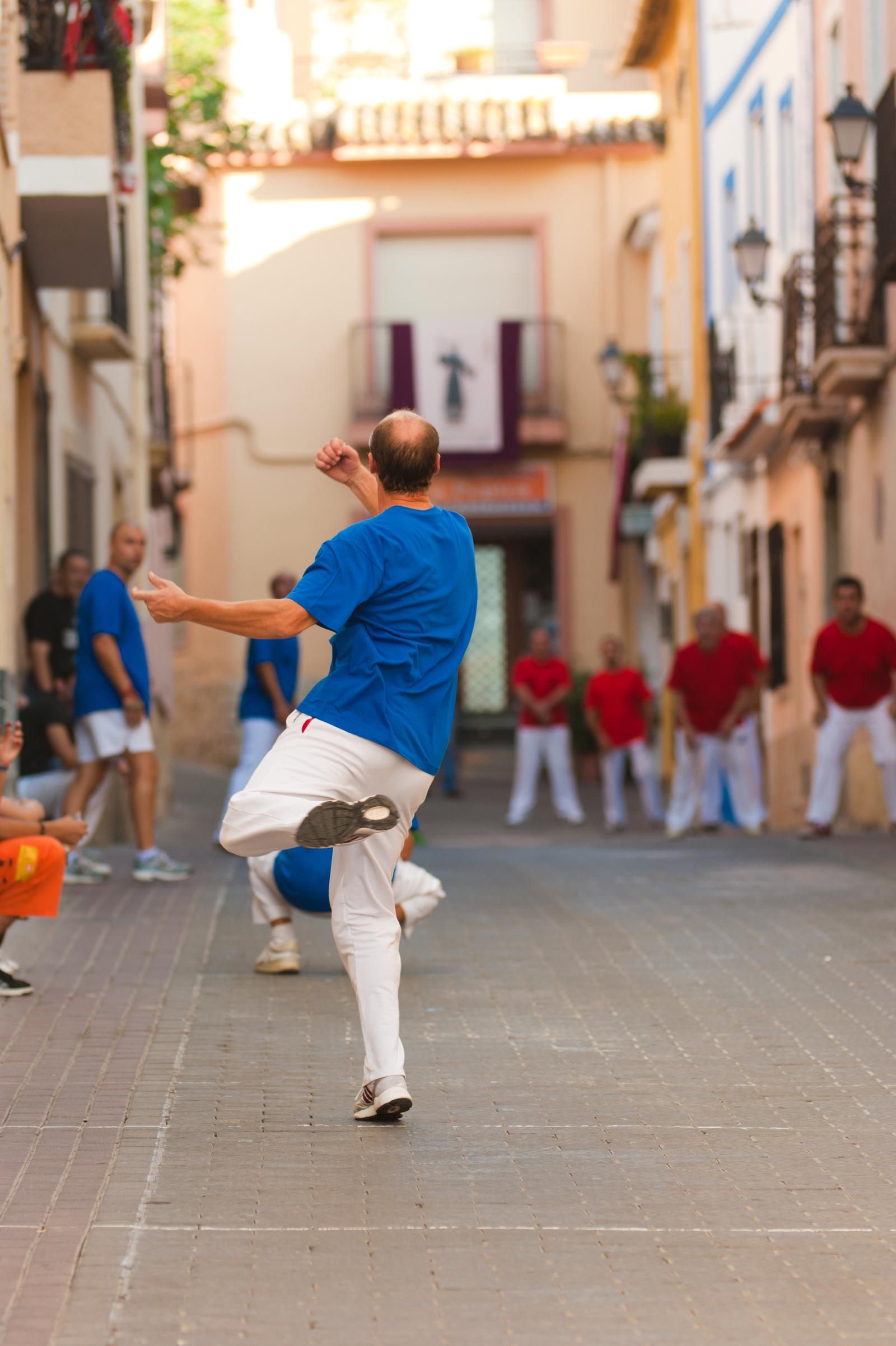
Raspall, an intriguing and dynamic sport, is one that captures the essence of tradition and competitive spirit. Originating from the Valencian Community in Spain, Raspall is a variant of the Valencian Pilota family of sports – a collective term that covers a variety of traditional handball games played for centuries in the region. Despite its local roots, Raspall has the potential to spark interest among sports enthusiasts worldwide for its unique blend of strategy, physicality, and cultural significance. This article aims to shed light on this lesser-known sport, providing a comprehensive look into its rules, playing techniques, and cultural importance, making it accessible to those who may not be familiar with it.
Understanding Raspall
Raspall is traditionally played in a ‘trinquet’, a special court enclosed by walls on four sides, which can vary in size but typically measures around 8.5 to 11 meters wide and 45 to 60 meters long. The game can also occur in designated streets or urban courts adapted for play. The sport’s objective is simple: players or teams of two players each must strike a small, hard ball with their bare hands, ensuring it bounces within the designated playing areas of the court while preventing their opponents from successfully returning it.
The game commences with a serve, and the opposing team must return the ball, either directly or after one bounce, back over the net to the serving team’s side. Points are scored when the ball bounces twice on the floor of the opposing team’s side or when an infraction is committed. The unique aspect of Raspall is that players must use their palm and wrist to strike the ball, as gloves or other hand coverings are not permitted. This direct contact with the ball demands a significant level of skill and precision, as well as endurance, given that the ball used is quite solid and heavy.
Rules and scoring
Raspall, much like its cousin sport, Valencian Pilota, has a distinctive set of rules and scoring system. A typical game is won by the team that first reaches 25 points, known locally as “jocs” or games. However, in contrast to other sports where points progress in a linear fashion, Raspall uses a cumulative scoring method. This means that, for every game won, points are added to the total score of the match. For instance, if a team wins the first game, they are awarded 5 points, and if they win the next, an additional 10 points are added, giving them a total of 15 points.
Moreover, the playing area is divided into zones, each holding different point values. The front of the court, near the serving area, is the most valuable and can earn a team up to 5 points if the ball lands there and is not returned. The points diminish in value as the ball lands farther from the front wall. Because of this zoning system, strategic placement of the ball becomes a critical part of the game.
Player skills and techniques
The players’ abilities in Raspall are as important as understanding the rules. The sport requires dexterity, agility, and strategic thinking. Players must develop a keen sense of anticipation, as predicting where the ball will land is essential for a successful return. Additionally, they must be able to control the force and angle at which they strike the ball to ensure it lands in the most advantageous zone possible.
Another aspect of the technique is the serve. In Raspall, the serve can be a powerful tool. A good serve can put immediate pressure on the opposing team, potentially earning points straight away if the opponents fail to return the ball effectively. Serving requires a unique blend of power and precision, as the ball must be played low and fast, but within the bounds of the designated serving area.
Cultural significance
Beyond the physicality and competitive nature of Raspall, the sport holds profound cultural significance in the Valencian Community. It embodies a rich heritage that dates back to at least the 14th century. Raspall tournaments and matches are often tied to local festivities and are a source of great pride and tradition. This cultural aspect adds an additional layer of depth to the game, as it is not only a sport but also a celebration of regional identity.
Players of Raspall are revered much like athletes in other mainstream sports, with the top competitors becoming local heroes and role models. The game also promotes community values, as it is often played in town squares and public spaces, bringing together spectators of all ages to enjoy and celebrate their local traditions.
In conclusion, Raspall is more than just a sport; it’s a vibrant thread woven into the fabric of Valencian culture. It offers a unique spectacle of physical prowess, tactical gameplay, and community spirit. While it may not have the global recognition of sports like football or basketball, Raspall provides a fascinating glimpse into the world of traditional sports that continue to thrive and define regional identities. For those looking to explore the richness of cultural sports, Raspall stands out as a prime example of how a game can both challenge the body and celebrate a community’s heritage.
