
Scopri il momento perfetto per visitare le isole incantevoli delle Azzorre
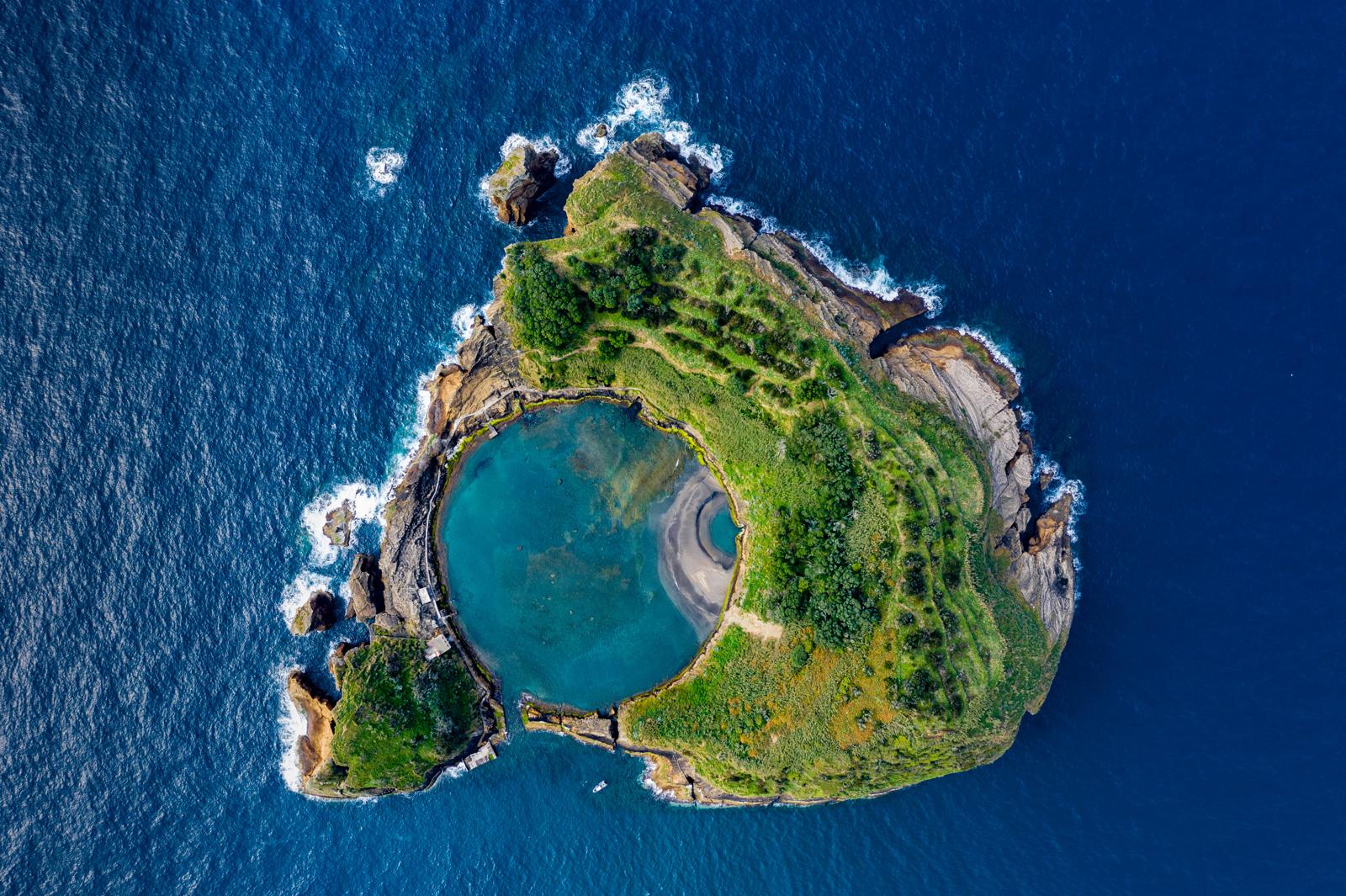
Nestled amidst the vast blue of the Atlantic Ocean lie the Azores, an archipelago of nine volcanic islands that are a part of Portugal. These islands are a paradise for nature lovers, adventure seekers, and those yearning for a serene getaway. Their lush landscapes, rich marine life, and temperate climate make them a year-round destination. However, knowing the best time to visit can greatly enhance your experience. Whether you’re looking to hike in verdant calderas, watch whales in their natural habitat, or soak in geothermal hot springs, timing your visit is key.
Understanding Azores Weather Patterns
The weather in the Azores is milder than on the continent, thanks to the Gulf Stream, but it can be unpredictable. The climate is generally temperate maritime, with a narrow temperature range throughout the year. Summers are pleasantly warm, rarely exceeding 30°C (86°F), while winters remain mild, with temperatures rarely dropping below 10°C (50°F). However, the region is known for experiencing all four seasons in a single day, so being prepared for sudden changes in weather is advisable.
Rainfall is frequent, with the wettest months typically being from December to February. This precipitation keeps the islands’ flora vibrant and lush but can dampen outdoor activities. The shoulder seasons — spring and fall — offer a balance between the vibrant greenery brought on by the rainy season and the more agreeable weather for outdoor pursuits.
Best Time for Outdoor Activities
If your goal is to immerse yourself in the natural beauty of the Azores through outdoor activities, late spring to early fall (May to September) is the best time to visit. During these months, the weather is warmer and more stable, ideal for hiking, mountain biking, and horseback riding. The islands’ numerous trails take you through rolling hills, verdant forests, and to the peaks of dormant volcanoes, all offering breathtaking views.
June to September also presents an excellent window for water activities. The ocean temperatures are at their most agreeable for swimming, snorkeling, and diving. The Azores are particularly famous for their rich marine life, and diving here can bring you face to face with a fascinating underwater world.
Whale and Dolphin Watching Seasons
The Azores are one of the world’s premier locations for whale and dolphin watching, with up to a third of the world’s cetacean species passing through or residing in these waters. While some species can be seen year-round, the best time for whale watching is between April and October. This period sees an increase in the number and diversity of whales migrating through the Azores’ waters, including the majestic blue and humpback whales.
For those passionate about marine life, timing your visit during these months could result in a once-in-a-lifetime experience. Boat tours are available, with experienced guides who can provide insightful commentary on the behaviors and characteristics of these magnificent creatures.
Cultural Events and Festivities
The Azorean cultural calendar is dotted with a variety of festivals and events that reflect the rich traditions and lively spirit of the islands. If you’re interested in experiencing local culture, plan your trip to coincide with some of these celebrations.
Summer is a particularly festive time in the Azores. Each island has its own religious festivals and secular celebrations. For instance, the Festas de São João (St. John’s festivals) in June offer a taste of traditional music, dance, and food. The islands also host various music and food festivals during this season, showcasing both international acts and local talent.
One of the biggest events is the Festas do Espírito Santo, which takes place from May to September. These festivals have deep historical roots and are marked by processions, crowning ceremonies, and the sharing of traditional soups and breads. Attending these festivities provides insight into the Azorean community and their way of life.
Traveling Off-Peak
For travelers seeking solitude and a break from the crowds, the off-peak months can be appealing. Visiting the Azores from October to April may mean less predictable weather, but it also offers the chance to explore the islands at a more leisurely pace and often at lower costs. During these months, the islands revert to a quieter state, allowing for a more intimate experience with the local culture and environment.
Though you may encounter more rainfall, the landscapes remain striking, and the cooler temperatures are ideal for enjoying the Azores’ famous hot springs. Towns and attractions are less crowded, giving you the opportunity to interact more with the locals and to experience the authentic Azorean lifestyle.
In conclusion, the Azores can be visited any time of the year, with each season offering its unique set of attractions and experiences. Late spring to early fall is ideal for outdoor activities and whale watching, while the summer months are best to engage with the local culture through festivals. Off-peak travel provides a different perspective of the islands, with fewer tourists and a relaxed atmosphere. Whichever time you choose, the Azores promise an unforgettable journey filled with natural wonders and cultural richness.
