
Basketball Bonanza: Diving Into Olympic Disciplines
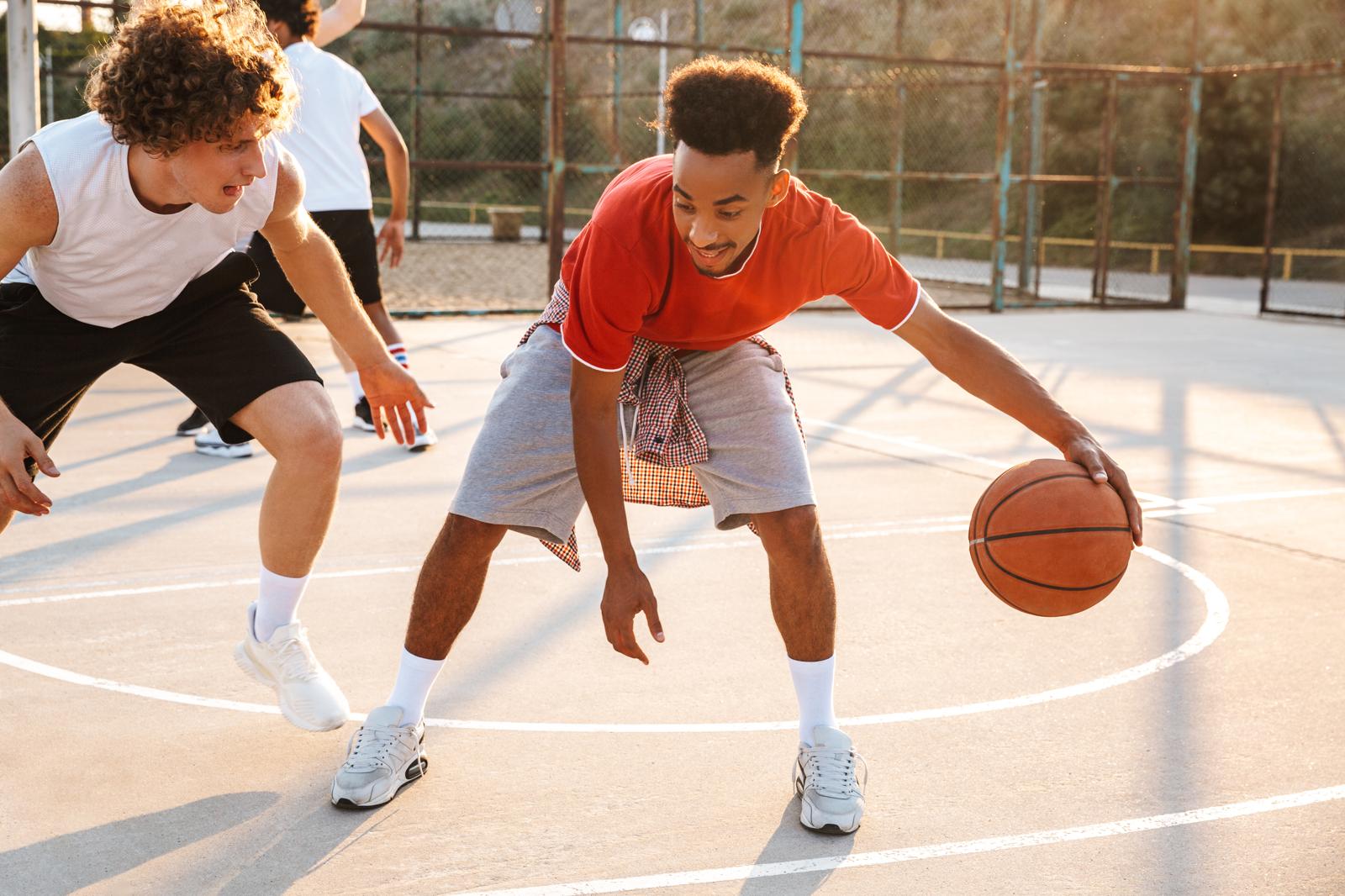
Basketball, a game loved by millions across the globe, is far more than just a sport—it’s a culture, a community, and a showcase of athleticism and strategy. Its influence spans beyond the hardwood courts into fashion, music, and even social movements. With origins dating back to the late 19th century, basketball has evolved significantly, transcending borders and becoming one of the world’s most watched sports. Whether you’re a fan cheering from the stands or someone who’s never touched a basketball, there’s no denying the impact and excitement that basketball generates.
Understanding the basics
At its core, basketball is a team sport consisting of five players on each side, with the primary objective being to score points by shooting the basketball through the opponent’s hoop. The hoop is mounted 10 feet above the ground, and the court is a flat, rectangular surface with baskets on opposite ends. The game is divided into four quarters, with the duration varying depending on the level of play. For instance, the National Basketball Association (NBA) plays 12-minute quarters, while international games under FIBA rules have 10-minute quarters.
A set of rules governs the gameplay, including dribbling regulations, shot clock constraints, and fouls that can result in free throws or turnovers. The beauty of basketball lies in its blend of individual talent and cohesive team play. On-court positions such as point guard, shooting guard, small forward, power forward, and center each have unique roles that contribute to the team’s overall strategy.
Basketball positions and roles
Each position in basketball has its own set of responsibilities. The point guard, often seen as the team’s “floor general,” is tasked with orchestrating the offense, handling the ball, and ensuring that it gets to the right player at the right time. They must possess excellent vision, ball-handling skills, and the ability to make quick decisions.
The shooting guard is usually one of the best shooters on the team, adept from long-range and capable of driving to the basket. Their role often requires them to score points aggressively and defend the opponent’s perimeter players effectively.
Small forwards need to be versatile. They are expected to be strong and skillful enough to battle inside the paint and agile enough to manage the outside game. Offensively, they are often key scorers from both inside and midrange, while defensively, they cover some of the most dynamic players on the opposing team.
Power forwards play close to the basket, using their strength to secure rebounds and defend against opposing big men. They are also expected to have a reliable midrange shot and to score from the low post.
Centers are typically the tallest players, serving as the defensive anchors by blocking shots and grabbing rebounds. On offense, they are the powerhouses in the paint, often scoring over shorter defenders and providing a gravitational pull that opens up opportunities for their teammates.
The evolution of basketball strategy
Over the years, basketball strategy has evolved considerably. The early days of center-dominated play have given way to a more perimeter-oriented game. This shift was largely influenced by the introduction of the three-point line in 1979, which added a new strategic dimension to the sport. Teams now actively seek players who can stretch the floor with their shooting ability, making the game faster and more dynamic.
The “small ball” trend, which favors speed, agility, and outside shooting, has become increasingly popular. It often involves playing without a traditional center or with a center who possesses the skills of a guard or forward, allowing teams to exploit mismatches and force the opposition to adapt.
Another strategic approach that has gained prominence is the use of analytics. Teams now employ statisticians and data analysts to crunch numbers, seeking insights into player performance, shooting efficiency, and optimal lineup combinations. This data-driven decision-making is shaping the way teams are constructed and how games are played.
Basketball’s global appeal and cultural impact
Basketball has undoubtedly left its mark on the world stage. It’s not just an American pastime; it’s a global phenomenon, with the NBA boasting players from over 40 countries. The sport’s international governing body, FIBA, oversees international competitions like the Basketball World Cup and the Olympic Games, where nations compete for glory and bragging rights.
Beyond the court, basketball has deeply influenced popular culture, particularly in fashion and music. Basketball sneakers have become fashion statements, and players like Michael Jordan have become style icons. Additionally, basketball and hip-hop have had a symbiotic relationship, with artists often referencing the sport in their lyrics and basketball players expressing themselves through music.
Basketball has also been a platform for social change. Players have used their influence to address societal issues, advocate for justice, and inspire young people. The sport serves as a unifying force, bringing together diverse communities to celebrate their shared love for the game.
In conclusion, basketball is a captivating sport that captures the imagination of fans worldwide. From the basic rules to the complex strategies, from its influence on culture to its role as a catalyst for social change, basketball is more than just a game—it’s a way of life. Whether it’s the sound of sneakers squeaking on the court, the swish of the net, or the roar of the crowd, the allure of basketball is undeniable. It’s a sport that continues to evolve, enchant, and excite, and its legacy is sure to endure for generations to come.
