
Figure Skating Phenoms: Gliding to Glory on Ice
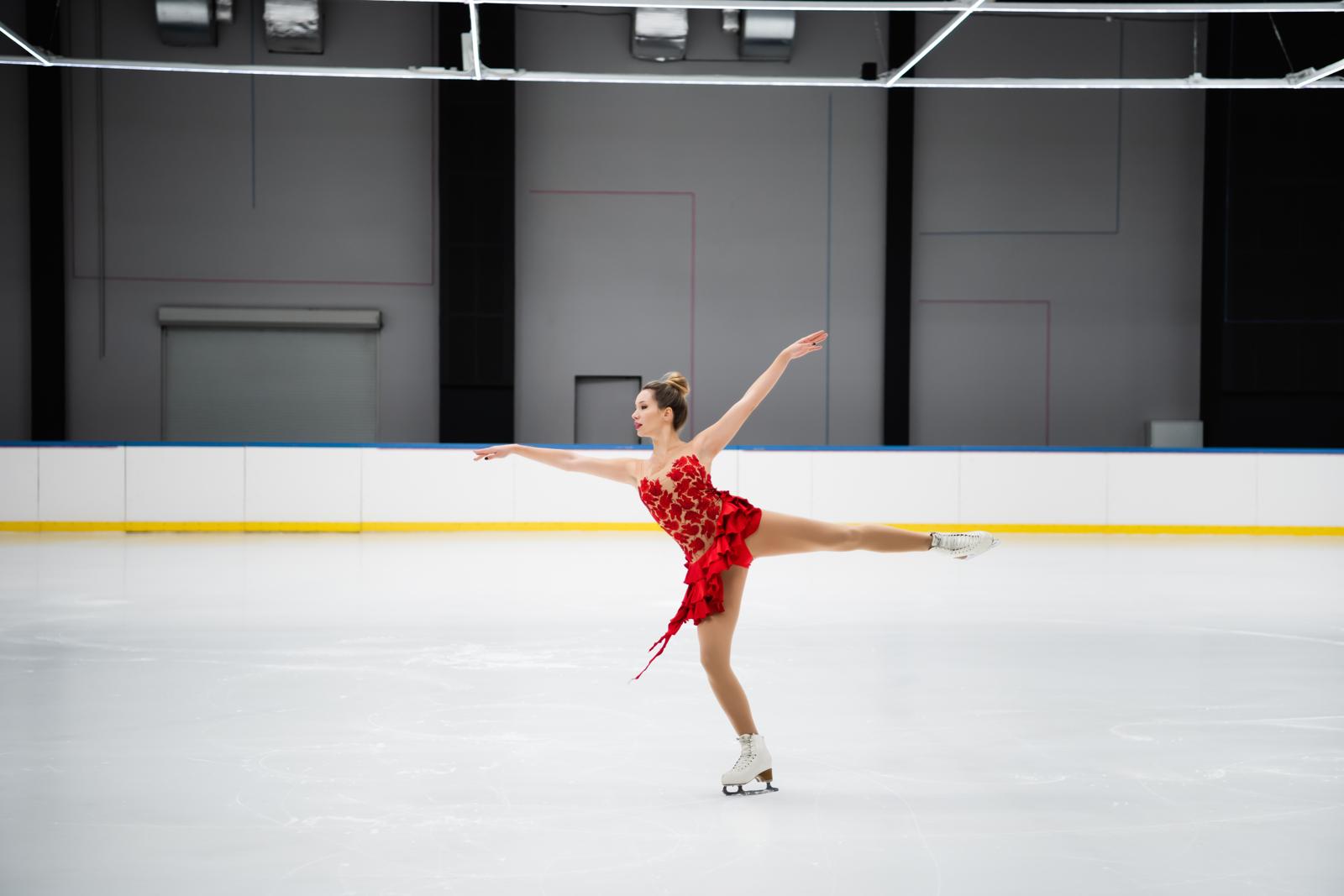
Figure skating, with its combination of artistic grace and athletic prowess, captivates audiences worldwide. Often seen during the winter seasons and prominently featured in the Winter Olympic Games, figure skating is a sport where individuals, duos, or groups perform on figure skates on ice. It’s a blend of dance, gymnastics, and skating, all woven into a coordinated performance set to music. The sport is governed by the International Skating Union (ISU), which oversees both amateur and professional competitions.
Figure skating’s charm is not only in the athleticism required to execute jumps and spins but also in the narrative and emotional expression conveyed through the skaters’ movements and their musical choices. To truly appreciate this intricate sport, it helps to understand its disciplines, scoring system, and the training that goes behind a skater’s journey from practice rink to championship podium.
Disciplines of figure skating
Figure skating consists of several disciplines, each with its own set of rules and styles. The four Olympic disciplines are men’s singles, women’s singles, pairs, and ice dance. Each discipline has its own unique qualities and requirements that skaters must perfect.
Men’s and women’s singles involve solo performances, with competitors judged on a combination of technical elements, such as jumps and spins, and artistic components, including choreography and musical interpretation. The singles disciplines are known for their high-flying jumps, with names like the Axel, Lutz, and Salchow, which reference the skaters who first executed them.
Pairs skating is about two skaters, traditionally a man and a woman, performing in unison. Elements in pairs skating include lifts, where the male partner lifts the female above his head, throw jumps, where the male partner throws the female into a jump, and side-by-side jumps and spins. Synchronization and artistry are key in pairs, as the skaters must match their movements precisely.
Ice dance focuses more on the rhythm, interpretation of the music, and precise footwork. Unlike pairs skating, ice dance doesn’t incorporate overhead lifts or throw jumps. Instead, it emphasizes intricate steps, close dancing holds, and deep edges. The discipline often tells a story or portrays a particular theme through the skaters’ movements.
Scoring system in figure skating
The scoring system for figure skating is complex, consisting of two parts: the technical score (TES) and the program components score (PCS). The total combined score determines the skater’s or team’s placement in a competition.
The TES is calculated based on the difficulty and execution of the technical elements, such as jumps, spins, and footwork. Skaters receive a base value for each element attempted, and judges then add or deduct points based on the quality of the performance. Factors such as height and distance of the jumps, speed, and the exactness of spins and steps all play a role in the final technical score.
The PCS assesses the artistic side of the performance, which includes skating skills, transitions, performance, composition, and interpretation of the music. Judges evaluate how skaters use the entire rink, the quality of their movements, the connection between the skaters (in pairs and ice dance), and how well they express the character of the music and choreography.
Training and preparation
The road to becoming a competitive figure skater is arduous and requires years of dedication. Skaters often begin training at a young age, spending countless hours on the ice perfecting their craft. They work with a team of coaches, including a head coach who designs their training program and choreographers who create the routines.
Off-ice training is also crucial for figure skaters. It may include ballet classes to enhance grace and posture, strength training to build the power needed for jumps and lifts, and flexibility exercises to achieve the extended lines required for spins and other elements. Mental training is another significant aspect as skaters must learn to perform under pressure and maintain focus during their routines.
In addition to physical and mental preparation, skaters must also pay attention to their costumes and music selection. Costumes are carefully designed to complement the performance, often telling a story or enhancing the overall effect of the routine. Music choice is equally important, as it sets the tone and assists skaters in connecting emotionally with the audience and judges.
Figure skating as a global sport
Figure skating transcends national boundaries, and over the years, it has produced a diverse range of champions from all corners of the globe. The sport continues to evolve, with skaters pushing the boundaries of what is possible on the ice. Innovations in training techniques and equipment have allowed skaters to perform more complex and athletic maneuvers.
Major international competitions, like the World Championships and the Winter Olympics, offer a stage for the world’s best skaters to showcase their talents. These events not only provide thrilling entertainment but also inspire the next generation of skaters to pursue their dreams.
In conclusion, figure skating is a sport that demands the utmost in both athletic skill and artistic expression. The combination of power and poise, technical precision and creative storytelling, makes it a unique and captivating spectacle. As skaters continue to innovate and push the limits of what is possible, the world of figure skating promises to deliver awe-inspiring performances for years to come.
