
American Riding: Saddle Up for a Deep Dive into the World of U.S. Equestrian Sports
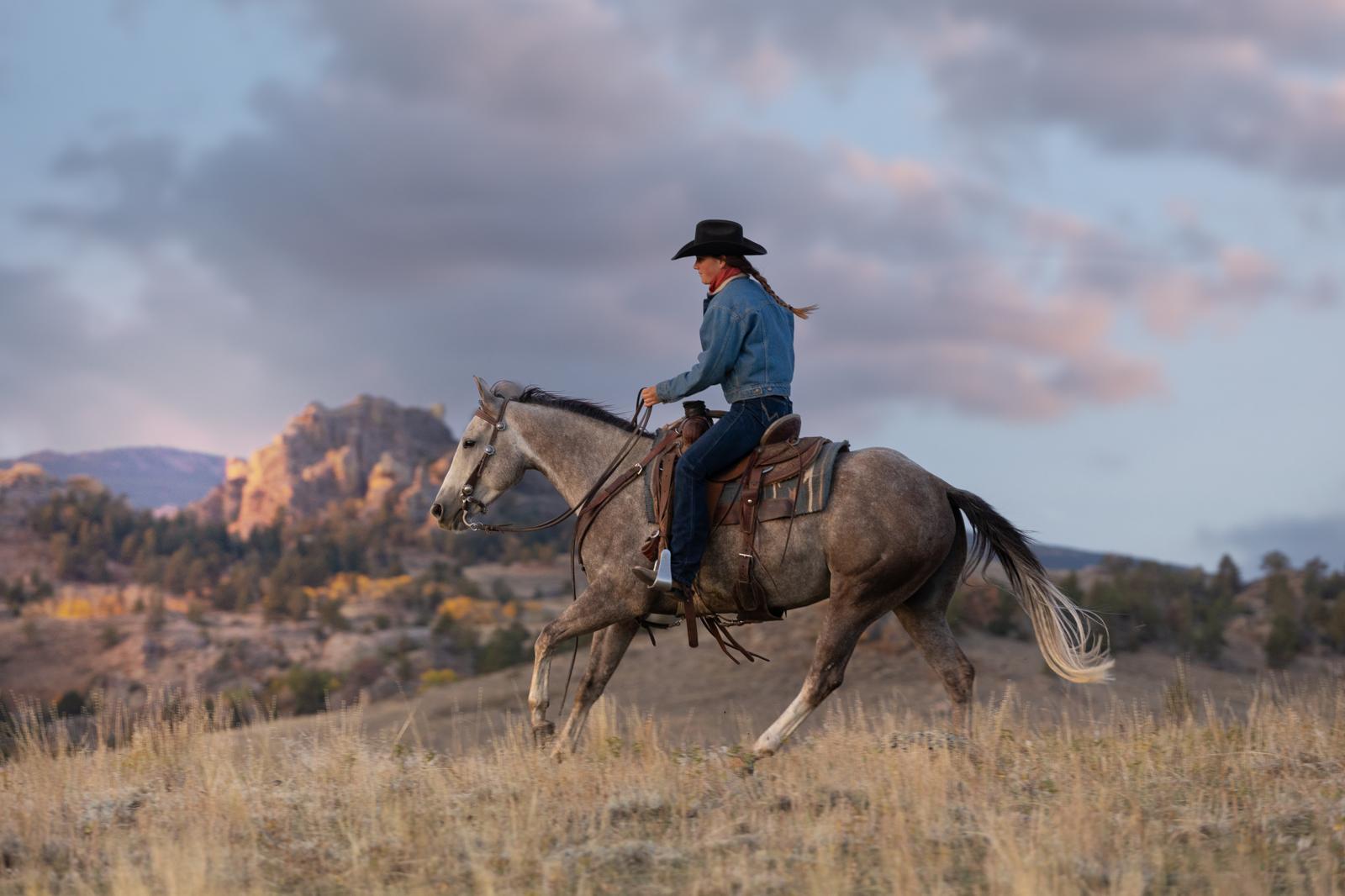
Equestrian sports have long captured the imagination and passion of people around the globe. Among the various disciplines within the equestrian world, American horseback riding stands out with its unique heritage, styles, and competitive events. This article delves into the heart of American equestrianism, offering insights into its distinct characteristics and allure. Whether you’re an enthusiast looking to deepen your appreciation or a curious onlooker seeking to understand this captivating sport, the following exploration will guide you through the vibrant world of American horsemanship.
Understanding American Horsemanship
American horsemanship, often referred to as Western riding, originates from the practices of the Spanish conquistadors and the cattle herders of the American West. Over time, these traditions evolved into a distinct style of riding that is both practical for ranch work and compelling as a competitive sport. Unlike its English counterpart, which emphasizes posture, precision, and a close seat for control during events such as dressage, show jumping, and eventing, American horsemanship is characterized by a deeper and more relaxed seat, which provides stability and comfort during long hours in the saddle.
The tack used in American riding reflects this focus on comfort and utility. The Western saddle, with its substantial size and prominent horn, offers the rider support for various tasks, including roping cattle. Bridles are often designed without a noseband and may utilize a curb bit, which offers clear communication with the horse through subtle cues. The attire of the rider, including cowboy boots and hats, is not merely for show; it serves practical purposes such as protection from the elements and safety during riding.
Western Riding Disciplines
American horsemanship encompasses a range of competitive disciplines, each with its own set of rules and skills. One of the most popular is reining, which showcases the agility and obedience of the horse as it performs a precise pattern of circles, spins, and stops. Another discipline, cutting, highlights the horse’s ability to isolate and herd cattle, requiring extreme athleticism and a strong partnership between horse and rider.
Barrel racing is an exhilarating timed event that demands speed and tight turns as the horse and rider navigate a cloverleaf pattern around three barrels. Team roping involves two riders working in tandem to catch a steer, with one rider (the “header”) roping the steer’s horns and the other (the “heeler”) aiming for its hind legs. These events and others like them offer a thrilling spectacle for audiences and a challenging pursuit for competitors.
Training and Horse Care
Training a Western horse involves a deep understanding of equine behavior and a commitment to developing a responsive and willing partner. Horses are taught to respond to leg pressure, weight shifts, and rein cues with subtlety and precision. The process of training often begins with groundwork to establish basic obedience and progresses to under-saddle work where the horse learns to perform specific maneuvers required in competition.
Equally important to training is the proper care and maintenance of the horse. A balanced diet, regular exercise, and ongoing veterinary and farrier care are essential for keeping a horse healthy and ready to perform. Special attention is given to the condition of the horse’s hooves and coat, as these are significant indicators of overall health and well-being.
The Culture of American Horsemanship
The culture surrounding American horsemanship is rich with history and camaraderie. Rodeos and horse shows are not just competitions; they are community gatherings that celebrate the skills and traditions of the American West. These events often include a variety of festivities, such as music, dancing, and demonstrations of horsemanship, and they provide an opportunity for riders of all ages and skill levels to come together and share in their passion for the sport.
At the heart of this culture is a deep respect for the horse as a partner and a shared commitment to the principles of good horsemanship. Riders take pride in the training and presentation of their horses, and the relationships built between horse and rider are often lifelong. Moreover, the legacy of American horsemanship is preserved and passed down through generations, ensuring that these time-honored practices will endure for years to come.
In conclusion, American horsemanship is a multifaceted and dynamic aspect of equestrian sports, offering a blend of practical application and competitive excitement. Its distinctive style, diverse disciplines, and rich cultural heritage make it an enduring and beloved pursuit. Whether participating as a rider or enjoying as a spectator, the world of American equestrianism offers an experience steeped in tradition and filled with the spirit of the American West.
