
Phuket, quando andare? Scopri il momento perfetto per una fuga esotica!
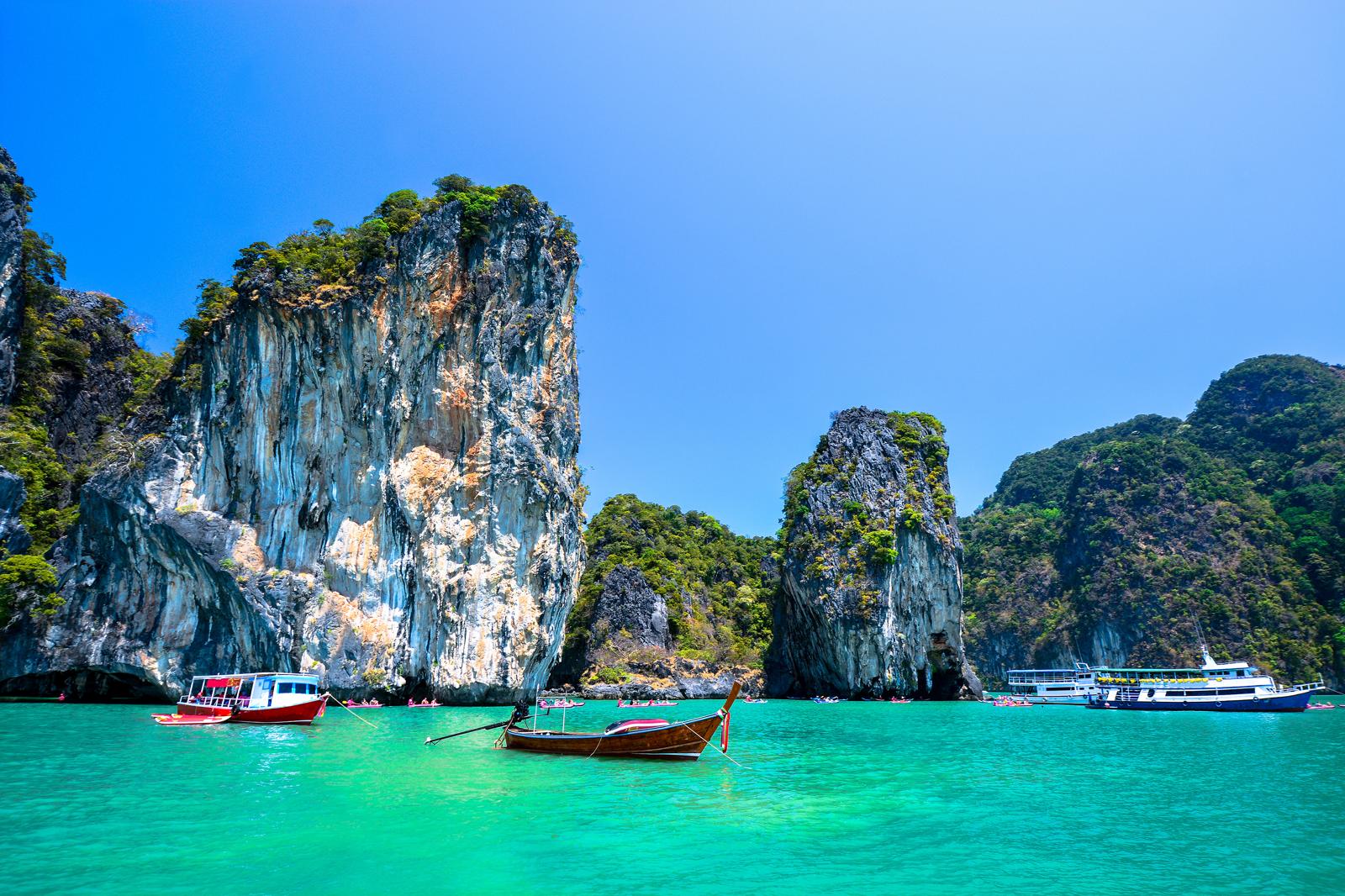
Thailand’s largest island, Phuket, is a paradisiacal destination that beckons travelers with its crystal-clear waters, white sandy beaches, lush green hills, and vibrant cultural experiences. Known not only for its scenic beauty but also for its bustling nightlife, tranquil resorts, and rich history, Phuket offers something for everyone. When planning a trip to this tropical haven, one of the most crucial considerations is timing. The island’s weather patterns, tourist seasons, and local events can greatly affect your experience. Understanding when to visit can help you make the most of your trip, whether you’re seeking sunny days on the beach, eager to engage with local festivals, or looking to avoid the crowds.
Understanding Phuket’s weather
Phuket is located just eight degrees north of the equator, giving it a tropical monsoon climate. This climate is characterized by a warm, humid atmosphere year-round, with temperatures rarely dropping below 25°C (77°F). There are two distinct seasons to consider: the rainy season and the dry season.
The rainy season, also known as the southwest monsoon season, typically runs from May to October. During this period, heavy rains and rough seas can occur, especially in September and October, which are considered the wettest months. While this may sound discouraging, the rains often come in short, heavy bursts, followed by sunshine. The upside is that the landscape is at its most verdant, waterfalls are full, and it’s also when the island is least crowded.
Conversely, the dry season, which stretches from November to April, is the most popular time for tourists. The northeast monsoon brings cooler, drier air, resulting in minimal rainfall and calmer seas, making it ideal for beach activities, diving, and boat tours. However, popular spots can be crowded, and prices for accommodations and flights tend to be higher during this peak tourist season.
Best time for cultural experiences
Phuket’s rich cultural tapestry is on full display during its numerous festivals and events. Timing your visit to coincide with these celebrations can offer a deeper insight into the local customs and heritage.
One of the most famous events is the Phuket Vegetarian Festival, which occurs in the ninth lunar month of the Chinese calendar, typically falling in September or October. This event is not only about abstaining from meat but is also filled with colorful processions, cultural performances, and rituals that are quite a spectacle.
Another notable festival is the Songkran Festival, Thailand’s traditional New Year celebration, which takes place in April. It is famous for its water fights, which symbolize washing away the past year’s misfortunes. Be prepared to get wet and enjoy the enthusiastic and playful atmosphere.
If you’re interested in the island’s maritime heritage, the Phuket King’s Cup Regatta, held in early December, features a week of competitive sailing and social events, attracting sailors and visitors from around the globe.
Avoiding the crowds
While the dry season offers the best weather conditions, it also draws the largest crowds. If you prefer a quieter visit, considering the shoulder months may be your best bet. April and November are transitional periods where you can enjoy the benefits of both seasons, with fewer tourists and more affordable prices.
During these months, the weather is relatively mild, with occasional showers that don’t usually disrupt outdoor activities. The sea remains warm enough for swimming, and the island’s attractions are less crowded, allowing for a more relaxed exploration.
Diving and snorkeling enthusiasts
Phuket is a gateway to some of the world’s most beautiful diving spots, including the Similan and Surin Islands. If diving or snorkeling is a priority for your trip, the best time to visit is from November to April when the seas are calmest and visibility is at its best.
During this time, the Andaman Sea’s water clarity can exceed 30 meters, providing an excellent opportunity to observe the amazing marine life, from colorful coral reefs to majestic manta rays and whale sharks.
Conclusion
Deciding when to go to Phuket depends on what you’re looking for from your vacation. Whether it’s taking part in vibrant cultural festivals, basking in the sun on a tranquil beach, diving into an underwater world, or simply avoiding the crowds, each season in Phuket has its advantages. By considering the island’s weather patterns, peak tourist periods, and your personal preferences, you can plan a trip that will offer the experiences you’re seeking and create memories that will last a lifetime.
