


Nestled in the heart of the Po Valley in northern Italy, Cremona is a gem often overlooked by tourists in favor of larger, more famous cities. Yet, for those who choose to delve into its charming streets, Cremona offers a wealth of artistic, musical, and gastronomic delights that can easily fill an entire day with wonder and pleasure. Known worldwide for its violin-making heritage, this city is a perfect destination for music lovers and anyone interested in experiencing the rich culture and history of Lombardy. In this guide, we’ll explore the must-see sights and experiences that Cremona has to offer, enabling even those on a tight schedule to fully appreciate this Italian treasure.
The Violin’s Birthplace: Stradivari’s Legacy
Cremona is synonymous with the art of violin making, an association dating back to the 16th century when master luthier Andrea Amati founded the Cremonese school of violin making. The legacy was carried on by Antonio Stradivari, a name that evokes reverence in the world of classical music and craftsmanship. To truly immerse yourself in the city’s musical roots, a visit to the Museo del Violino (Violin Museum) is essential. Here, you can discover an impressive collection of stringed instruments, learn about the meticulous craft of violin making, and even listen to the instruments being played in occasional live performances or in the museum’s auditorium.
After soaking in the history and sounds of the Museo del Violino, take a stroll to the nearby workshops of modern luthiers who continue the city’s tradition. Cremona’s luthiers are often happy to discuss their craft and the importance of Cremona’s wood, varnish, and centuries-old techniques that make their instruments so coveted.
Historic Architecture and Torrazzo
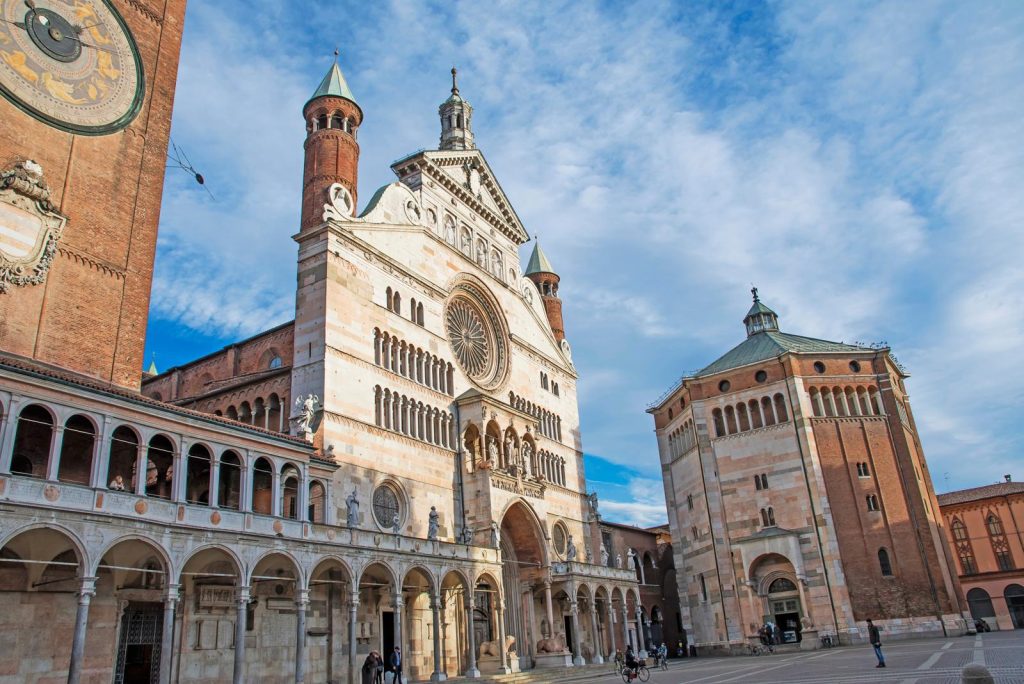
Once you’ve experienced the city’s musical heartbeat, shift your focus to Cremona’s architecture. The jewel in the crown is the Piazza del Comune, the main square that is home to some of the most significant buildings in Cremona. Dominating the skyline is the Torrazzo, the bell tower of the Cremona Cathedral, which is the third tallest brickwork bell tower in the world. Climbing to the top of the Torrazzo rewards visitors with a breathtaking panoramic view of the city and the surrounding countryside. The climb, though challenging with its 502 steps, is a must-do for those able to make the ascent.
Adjacent to the Torrazzo, the Cathedral of Cremona itself is a marvel of Romanesque and Gothic styles. Its façade, adorned with sculptures and rose windows, is a prelude to the stunning frescoes and artworks that adorn the interior. Take time to marvel at the detailed storytelling in the art, from the Creation to the Last Judgment.
Local Delicacies: Tasting Cremona
No visit to Italy is complete without indulging in the local cuisine, and Cremona is no exception. The city is famed for its culinary specialties, particularly its sweets. Most notable among these is torrone, a nougat made with honey, egg whites, and almonds, which according to local legend, was first created in Cremona to celebrate the marriage of Bianca Maria Visconti and Francesco Sforza in 1441.
For lunch, seek out a traditional trattoria to sample Cremonese dishes that reflect the region’s agricultural richness. Risotto with saffron, marubini (stuffed pasta in broth), and salame di Cremona are just a few of the traditional offerings that will satisfy your appetite. Wash down your meal with a glass of local Lombardy wine, and you’ll be ready for more exploration.
Art and Harmony: Cremona’s Cultural Treasures
Beyond its violins and gastronomy, Cremona boasts a wealth of art and culture. The city’s museums and galleries, such as the Museo Civico Ala Ponzone, display an array of artworks and historical artifacts that tell the story of the region. The museum houses paintings by local and Italian masters, along with archaeological finds, providing a comprehensive journey through Cremona’s past.
To continue your cultural tour, seek out the city’s churches beyond the main cathedral, each with their own charm and artistic treasures. The Church of San Sigismondo, for example, is adorned with frescoes from the Renaissance period and provides a serene atmosphere for contemplation and admiration of its art.
In conclusion, Cremona’s rich history in music and art, combined with its culinary delights and beautiful architecture, makes it a must-visit destination for those wanting to experience the essence of Lombardy in a single day. Whether you’re a music enthusiast, history buff, art lover, or foodie, Cremona will enchant and inspire you with its harmonious blend of culture and tradition. Though our journey here ends, the memories of this captivating city will resonate long after your visit.