
Canoe Conquest: Paddling Your Way to Peak Fitness and Adventure
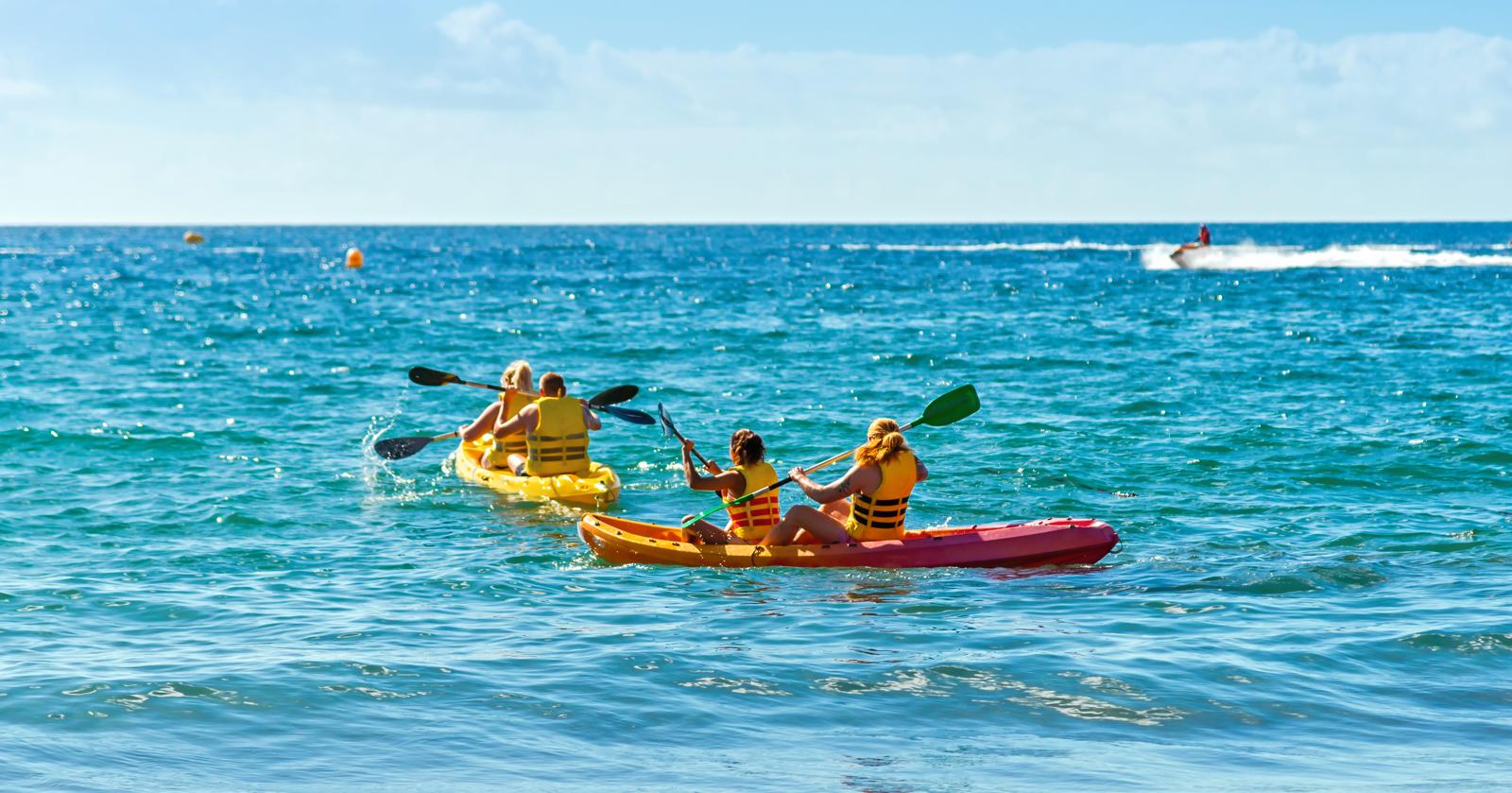
The canoe, a slender, open boat propelled by one or more seated or kneeling paddlers facing the direction of travel and using a single-bladed paddle, is not merely a recreational watercraft but a vessel steeped in history and cultural significance. Traditionally made from a variety of materials, including wood, bark, and skins, the canoe has been utilized for transportation, hunting, and trading by numerous cultures around the world. Today, the modern canoe continues to evoke a sense of adventure and connection with nature. Let’s delve into the details of canoeing, exploring its origins, the different types, techniques for paddling, and safety measures to consider while enjoying this timeless activity.
History and significance of the canoe
The canoe is one of the oldest means of water transportation. Its origins trace back thousands of years, with evidence of canoes used by indigenous peoples across the Americas, as well as in Africa, the Pacific Islands, and parts of Asia and Europe. Native American tribes are particularly known for their skillful construction of canoes, which played a pivotal role in their daily life and survival.
Originally, canoes were crafted from natural materials found in the environment, such as tree trunks hollowed out by burning and scraping (dugouts), or frames covered with bark or animal hides (birchbark canoes). The building process was labor-intensive and required a profound understanding of local resources and craftsmanship. The resulting canoes were not only functional but also held cultural significance, with each design reflecting the specific needs and environments of the people who made them.
Different types of canoes
Today, canoes come in various shapes and sizes, tailored to different uses. The most traditional type is the recreational canoe, designed for calm waters such as lakes and slow-moving rivers. These canoes are typically wider and more stable, making them suitable for beginners or those looking to enjoy a leisurely paddle.
For more adventurous paddlers, whitewater canoes are designed to handle the rough conditions of fast-moving rivers. They are shorter and have a more pronounced rocker (curvature of the hull) to maneuver through rapids and around obstacles.
Another type is the racing canoe, which is long, narrow, and lightweight, built for speed and efficiency during competitive events. Racing canoes often require a higher skill level due to their reduced stability compared to recreational models.
Additionally, there are specialized canoes like fishing and hunting canoes, which come equipped with features like rod holders and quiet paddling systems to aid in stealth, and folding or inflatable canoes that offer portability for backcountry trips or those with limited storage space.
Paddling techniques and skills
To enjoy canoeing to its fullest, one must master the basic paddling techniques. These skills not only enable efficient movement through the water but also ensure safety during the trip. The fundamental paddle strokes include the forward stroke for propulsion, the reverse stroke for slowing down or moving backward, the draw stroke to move sideways, and the J-stroke to keep the canoe going straight without switching paddling sides.
Effective paddling also involves proper body positioning. Paddlers should sit or kneel low in the canoe to lower the center of gravity and improve stability. The grip on the paddle is also important, with one hand at the top of the handle and the other along the shaft, providing control and power during strokes.
Beyond individual skills, communication and coordination between paddlers in a tandem canoe are crucial. Paddlers must work in harmony, with the person in the stern (back) steering and the person in the bow (front) setting the pace.
Safety on the water
Safety should always be a top priority when canoeing. Wearing a lifejacket or personal flotation device (PFD) at all times is a must, regardless of swimming ability or water conditions. It’s important to choose a PFD that fits properly and is appropriate for the type of water you will be navigating.
Before heading out, always check the weather forecast and water conditions, and be aware of potential hazards like rocks, fallen trees, or strong currents. It is also wise to inform someone of your planned route and expected return time.
Paddlers should be aware of the signs of hypothermia, which can occur in cold water or weather, and take precautions such as wearing appropriate clothing and avoiding alcohol consumption before canoeing.
Lastly, taking a canoeing course or practicing with an experienced paddler can greatly enhance your skills and knowledge, preparing you for a safer and more enjoyable experience on the water.
The canoe offers a unique way to explore the natural world, providing a peaceful yet invigorating outdoor activity that can be enjoyed by people of all ages and skill levels. Whether you are looking for a serene solo paddle at sunrise or a challenging expedition with friends, canoeing is a versatile sport that can offer something for everyone. With an understanding of its rich history, the various types available, essential paddling techniques, and safety considerations, you are well-prepared to embark on your own canoeing adventure.
