
Pallacorda to Pinnacle: Tracing the Evolution of Tennis through History
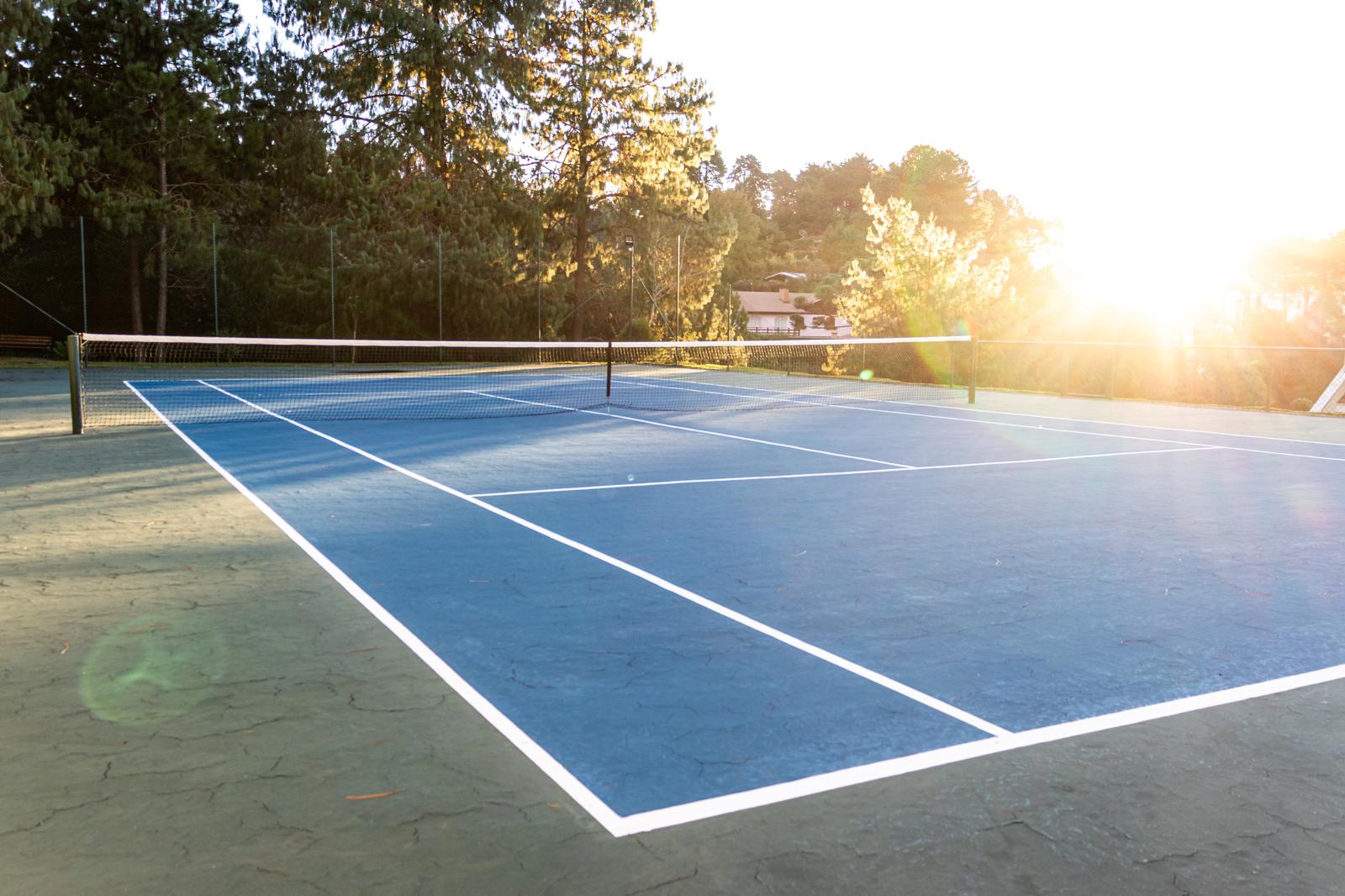
The ancestral sport of tennis, known as Pallacorda or Jeu de Paume, has a rich history that dates back centuries. Before the lush green courts and the iconic Wimbledon, there was Pallacorda, a game that laid the foundation for modern tennis. In this article, we’ll delve into the origins, the gameplay, and the cultural significance of Pallacorda, unraveling the threads of this historic game for enthusiasts and newcomers alike.
Origins of Pallacorda
Pallacorda, literally meaning “ball rope” in Italian, originated in the monastic cloisters of medieval France where monks played a handball game called ‘Jeu de Paume’, meaning “game of the palm”. The game soon transcended ecclesiastical walls and became a popular pastime among the European nobility by the Renaissance. The indoor courts of the time were called ‘jeu de paume’ courts, which were long, narrow buildings specifically designed for this game. King Louis X of France was a notable enthusiast, and his death after a strenuous game in 1316 only cemented the sport’s place in history. With time, the game evolved, and rackets were introduced, giving birth to the name ‘Pallacorda’.
The game reached its zenith in the 16th century, both as a sport and a gambling pastime. Nobles would gather in the indoor courts, which were adorned with galleries for spectators, to watch and bet on matches. The influence of Pallacorda was such that it played a role in the French Revolution, as the Tennis Court Oath in 1789, a pivotal event in French history, took place on a Jeu de Paume court.
Gameplay and Rules
The gameplay of Pallacorda shares similarities with modern tennis, but there are distinct differences. The court, typically indoor, had a sloping roof and was divided into two equal parts by a rope or net. Players used wooden framed rackets with gut strings to strike a ball made of cork or leather filled with bran or hair.
A notable feature of the traditional game was the rule of chases. Instead of winning points directly as in modern tennis, players would establish ‘chases’ by hitting the ball to a spot where the opponent could not reach it before the second bounce. The spot where the ball second bounced was marked, and the server had to hit the ball beyond this mark to win the chase. It was a game of strategy as much as skill, with players aiming to secure advantageous chases rather than direct points.
The scoring system was quite similar to what we see in tennis today, including the familiar 15, 30, and 40 points, but with some differences in the intricacies of game and set progression. Matches could be singles or doubles, with doubles being particularly popular in the betting culture that surrounded the sport.
Cultural Significance
Pallacorda was more than just a game—it was a cultural phenomenon that reflected the social dynamics of its time. It was a microcosm of social hierarchy, with court positions during play often mirroring a player’s social standing. Nobles and royalty indulged in the sport both for leisure and as a demonstration of their prowess and finesse.
Moreover, the courts served as social hubs where the elite could mingle, strategize politically, and engage in the spectacle of the game. The game was a precursor to the concept of professional sports, with some players achieving fame and fortune through their skill at Pallacorda. However, with the onset of the French Revolution, the game suffered a decline as the aristocracy’s dominance waned, and public sentiment turned against the trappings of nobility, including their favored pastimes.
Legacy and Influence on Modern Tennis
The legacy of Pallacorda is most vividly preserved in the modern game of tennis. The indoor courts gave way to the open lawns of England, where the game was adapted into what we know as tennis. Many of the terms in tennis, such as ‘deuce’, ‘love’, and ‘racket’, have their roots in Jeu de Paume.
The evolution of the sport continued with the codification of rules and the establishment of official championships. The first Wimbledon Championship in 1877 marked the beginning of tennis as a competitive sport, but it’s essential to remember that without Pallacorda, there would be no Wimbledon, no Grand Slams, and no tennis as we know it.
In conclusion, Pallacorda is a fascinating chapter in the history of sports, offering a window into the past and a foundation upon which the global phenomenon of tennis was built. Its influence extends beyond the court, touching upon social and cultural aspects of European history. While the sport itself may no longer be widely played, its spirit lives on in every serve, volley, and backhand of modern tennis.
