
Aikido Unleashed: The Gentle Art of Self-Defense Revolutionizing Modern Sports
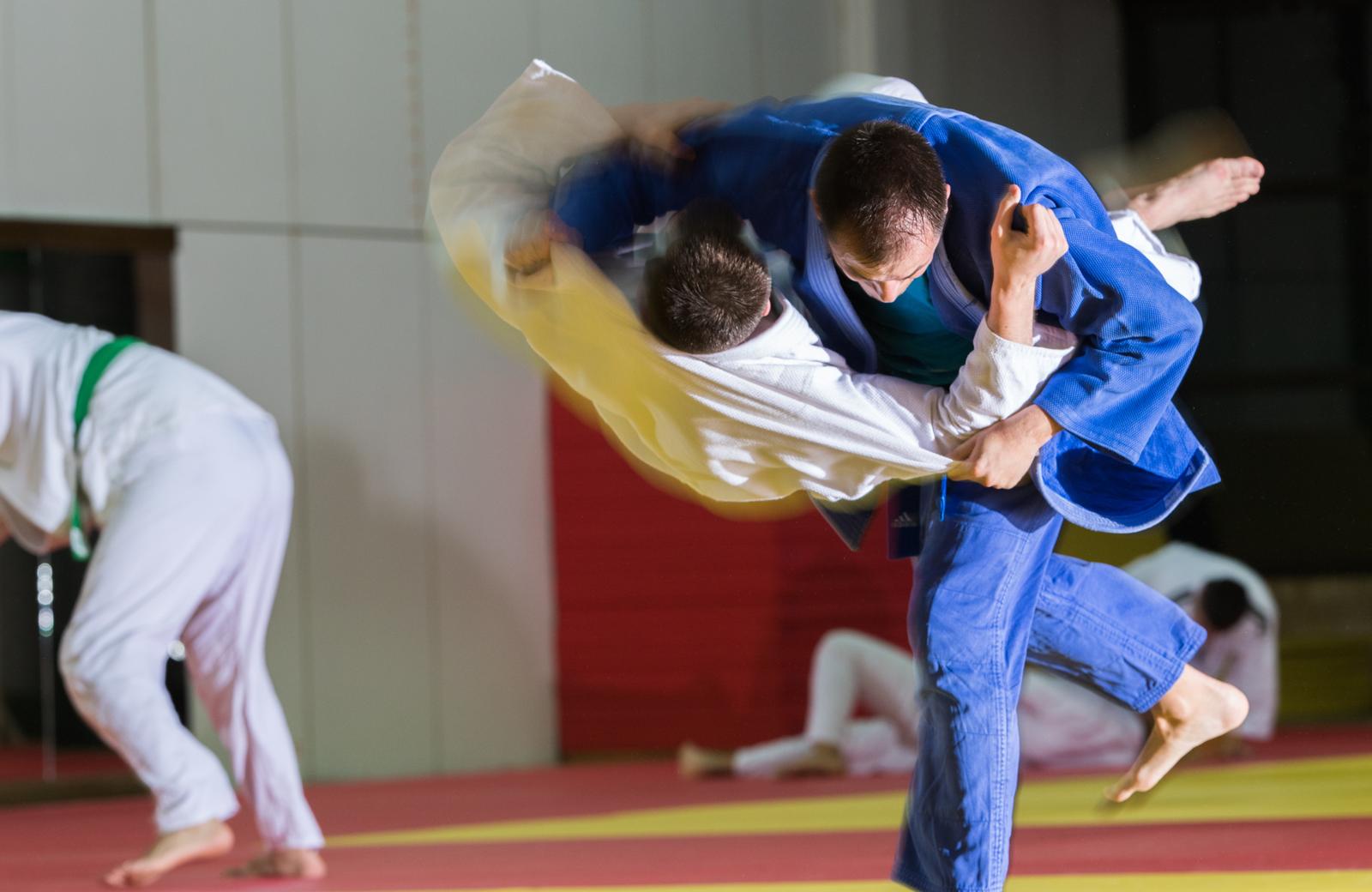
Aikido, meaning “the way of harmony with the spirit,” is a modern Japanese martial art that has captured the interest of many around the globe. Unlike many traditional martial arts that focus on strikes and kicks, Aikido emphasizes joint locks, throws, and the use of an opponent’s energy against them. It is a defensive art form that seeks not to meet violence with violence but rather aims to neutralize aggression without inflicting harm. Its philosophy is deeply rooted in the concept of peace and reconciliation.
Understanding Aikido
Aikido was developed by Morihei Ueshiba, referred to by practitioners as O-Sensei (“Great Teacher”), in the early 20th century. It evolved from Daito-ryu Aiki-jujutsu, a martial art that includes both hand-to-hand combat techniques and weapon training. Aikido, however, places a greater emphasis on body movement and dynamics. It is not merely a collection of techniques but a path to self-improvement and spiritual growth. Aikido training is not just about physical conditioning but also about refining the spirit and the mind.
The Principles of Aikido
At its core, Aikido is built upon three basic principles: irimi (entering), tenkan (turning), and kuzushi (off-balancing). These principles are integrated into its techniques and practice.
Irimi involves moving into a position where one can control an opponent as they attack. Instead of retreating from the force of the attack, an Aikido practitioner enters toward the attacker, often to the side, to gain a tactical advantage.
Tenkan, the principle of turning, allows an Aikido practitioner to redirect the force of an attack without clashing with it directly. It involves pivoting and turning one’s body to avoid the full impact of an attack and uses the attacker’s momentum to execute a technique.
Kuzushi refers to the unbalancing of an opponent. In Aikido, one seeks to break the balance of an attacker, making it easier to apply a technique and neutralize the threat. Unbalancing an opponent minimizes the need for excessive force and enables the practitioner to control the situation more effectively.
Training and Techniques
Aikido training involves both solo and partnered exercises. The solo forms, known as tai-sabaki, focus on body movement and footwork, which are essential for executing techniques effectively. Partnered exercises, or waza, are where the principles of Aikido are put into practice.
There are various techniques in Aikido, primarily categorized into throws and joint locks. Throwing techniques (nage-waza) include movements where an attacker is projected through the air, using their momentum and balance against them. Joint locks (katame-waza) involve manipulating an attacker’s joints in a way that can control or immobilize them. These techniques can be applied both standing and on the ground.
Much of the partnered practice in Aikido is done in the form of kata, pre-arranged sequences that help students understand the flow of movements and the application of techniques. These exercises also develop timing, sensitivity, and an understanding of martial distance and connection with an opponent.
Weapons and Aikido
Traditional Aikido also includes the training of weapons, which are an integral part of the art. The three primary weapons used in Aikido training are the wooden sword (bokken), staff (jo), and knife (tanto). Training with these weapons helps students understand the movements and distances inherent in Aikido and provides insight into the martial origins of the techniques.
Weapon training in Aikido is not intended for combat but rather as a means to refine the practitioner’s movements and to understand the principles of blending and timing. The movements with weapons are often mirrored in empty-handed techniques, providing a deeper comprehension of Aikido’s martial applications.
Philosophy and Personal Growth
Aikido is more than a physical discipline; it is a path to personal development. O-Sensei emphasized that the goal of Aikido is not to defeat others but to defeat the negative aspects of oneself. Practitioners often speak of the art as a way to cultivate peace, both within themselves and in the world around them.
The philosophy of Aikido encourages practitioners to face life’s challenges with a calm and centered spirit. The practice of harmonizing with an opponent metaphorically teaches one to harmonize with the difficulties one encounters in daily life. By applying the principles of Aikido outside the dojo, practitioners aim to create a more peaceful and cooperative society.
Aikido also stresses the importance of mutual respect and care for others. The cooperative nature of Aikido training, where both partners work together to improve, reflects this principle. There is no competition in Aikido, as the focus is on personal growth and the collective welfare of the group.
In conclusion, Aikido is a martial art that offers a unique approach to self-defense, emphasizing harmony and the resolution of conflict without causing harm. Its principles extend beyond the mat, offering a framework for personal development and the cultivation of peace. Whether one is seeking physical fitness, self-defense skills, or a deeper philosophical perspective, Aikido provides a rich and rewarding path.
