
Inter-Crosse Craze: The Rapid Rise of a Thrilling New Sport
In the realm of sports, there’s a handful of games that captivate audiences with their unique blend of strategy, skill, and physical prowess. One such sport, which may not be as universally recognized as soccer or basketball but carries a rich heritage and an enthralling experience, is inter crosse, also known as soft lacrosse. This sport takes the foundational concepts of traditional lacrosse and adapts them to be more accessible and safer for a wider range of players. In this article, we’ll dive into what inter crosse is, its rules, the equipment involved, and its benefits and differences from classic lacrosse, providing an informative guide for those interested in exploring this dynamic sport.
Understanding inter crosse
Inter crosse, at its core, is a non-contact variant of lacrosse. Unlike its more physical counterparts, inter crosse is played with modified equipment and rules that emphasize safety and inclusivity. The sport can be played indoors or outdoors and is often recommended for educational purposes and as an introductory pathway for those looking to eventually step into the more competitive world of lacrosse.
The game is typically played on a field similar in size to a basketball court, making it suitable for indoor arenas and multipurpose sports facilities. Teams are made up of five to ten players, depending on the variant being played, and the objective is the same as traditional lacrosse: to score goals by shooting a ball into the opponent’s net using a stick, or crosse. Inter crosse promotes mixed-gender participation and is well-suited for players of varying ages and skill levels, serving as an excellent tool for physical education and community sporting events.
Key rules and gameplay
Inter crosse is governed by a set of rules designed to ensure fair play and safety. The most fundamental rule is the prohibition of body contact. Unlike traditional lacrosse, where some degree of physicality is permitted, inter crosse strictly forbids any form of body checking or stick checking. This non-contact approach significantly reduces the risk of injuries and makes the sport more approachable.
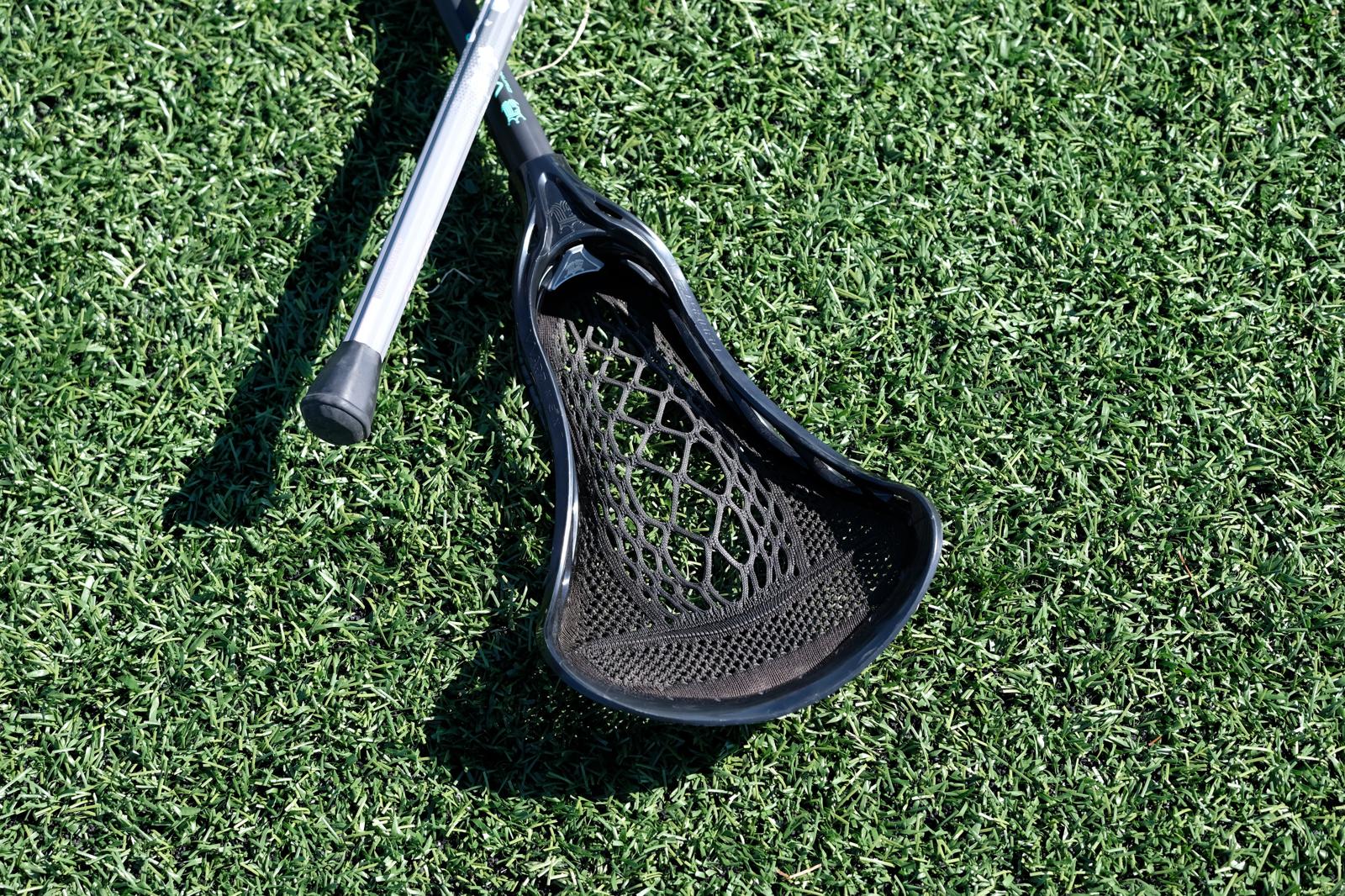
The game is played with a soft, hollow ball, which is lighter and poses less risk of injury than the hard rubber ball used in conventional lacrosse. Players use a stick with a plastic head and a netted pouch to catch, carry, and pass the ball. Physical contact with the ball is not allowed, and players must use their stick to manipulate it at all times.
Scoring in inter crosse is achieved by shooting the ball into the opponent’s goal. Goals are typically smaller than in traditional lacrosse, and goaltenders wear minimal protective gear due to the reduced risk of injury from the softer ball. To maintain the game’s fast pace, players are not allowed to remain stationary with the ball for more than five seconds, encouraging constant movement and teamwork.
Equipment and safety measures
The equipment used in inter crosse is designed with safety in mind. The sticks are made of lightweight materials such as plastic and aluminum, with a wide, shallow net that makes catching and throwing the ball easier for beginners. The balls are soft and non-threatening, making them ideal for use in schools and recreational settings.
Players are usually required to wear comfortable athletic clothing and sneakers, with additional protective gear being optional due to the non-contact nature of the sport. Some players may choose to wear mouthguards or soft helmets for added safety, but these are not mandatory. The emphasis on minimal equipment not only makes the sport safer but also more accessible, as there is less financial barrier to participation compared to equipment-intensive sports.
Benefits and differences from classic lacrosse
One of the most significant benefits of inter crosse is its inclusivity. The sport is suitable for players of all ages, genders, and skill levels, making it an excellent option for schools, community groups, and families. The non-contact nature of the game and the emphasis on teamwork and skill development make it a positive environment for physical and social growth.
Furthermore, inter crosse provides a solid foundation for those interested in transitioning to traditional lacrosse. The skills and techniques learned in inter crosse are directly transferable, allowing players to build their confidence and abilities in a safer setting before moving on to more competitive forms of the sport.
In contrast to classic lacrosse, inter crosse is more focused on fun, fitness, and skill development than on competition. While it lacks the physicality and protective gear of traditional lacrosse, it retains the core elements of the sport, such as the use of the crosse and the goal-scoring objective. This makes inter crosse an ideal stepping stone for individuals looking to explore the world of lacrosse without the initial intimidation factor.
In conclusion, inter crosse offers a unique sporting experience that balances the excitement of lacrosse with an approachable and safe environment. It is a sport that encourages participation from all walks of life and serves as a wonderful introduction to the skills and joys of lacrosse. Whether played in a school gymnasium, a community center, or an outdoor field, inter crosse is a game that can bring people together, promote physical fitness, and foster a love for team sports.
