
Skydiving Thrills: Dive into the Excitement of Aerial Sports
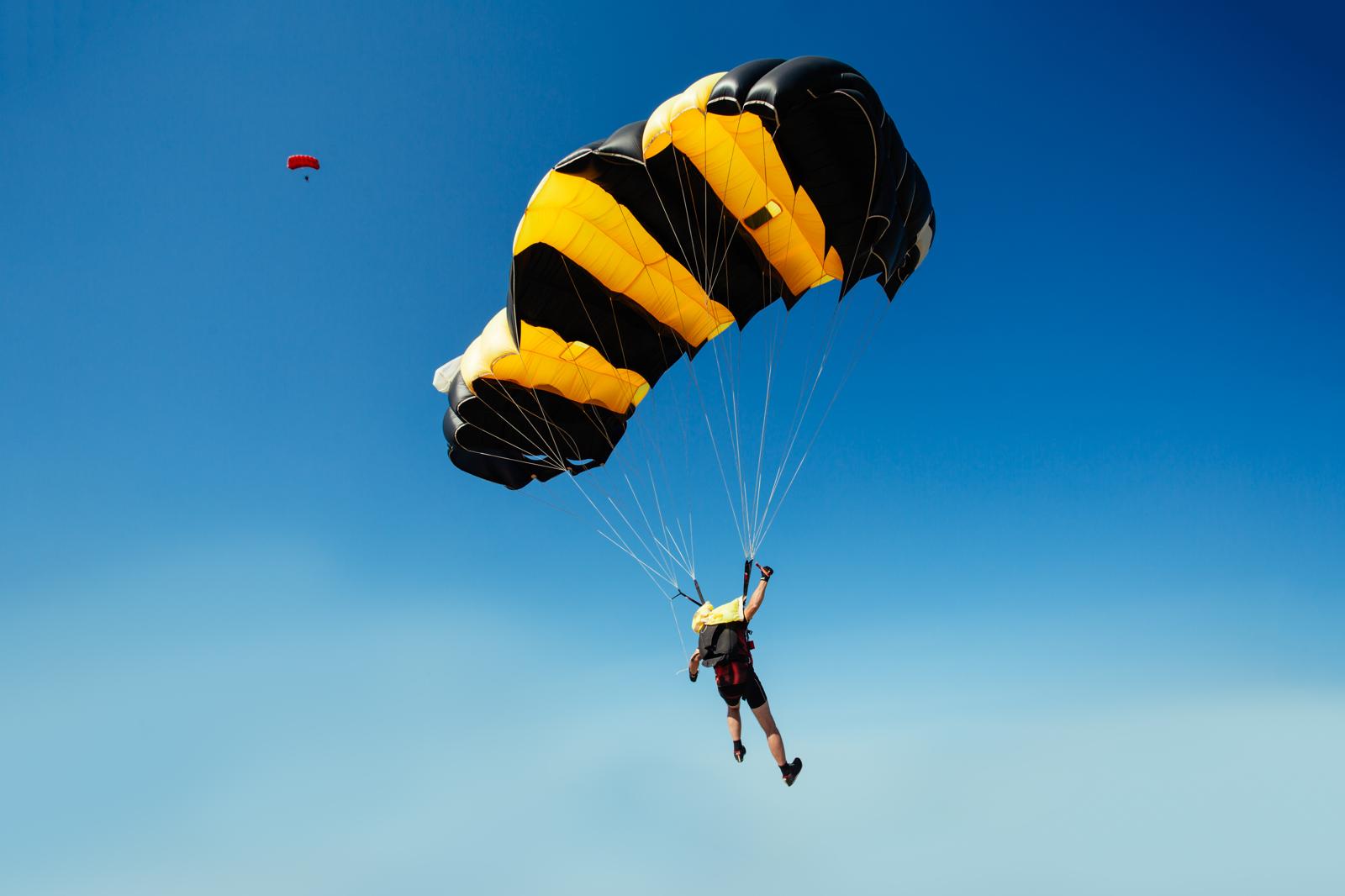
Skydiving: The Ultimate Leap into Adventure
Skydiving, the exhilarating act of jumping out of an aircraft and freefalling before opening a parachute to slow the descent, has captured the imaginations of thrill-seekers worldwide. For many, it represents the epitome of adventure, a way to push personal boundaries and experience the world from an entirely different perspective. From the uninitiated to those with hundreds of jumps under their belts, skydiving offers an unmatched adrenaline rush and a unique sense of freedom. In this article, we’ll explore the basics of skydiving, equipment involved, the training process, and safety measures that make this extreme sport accessible to a broad audience.
Understanding Skydiving
Skydiving typically begins with a jump from an aircraft at altitudes ranging from 10,000 to 15,000 feet. After exiting the plane, jumpers experience a period of freefall, where they can reach speeds of up to 120 miles per hour. The sensation of freefall is often likened to flying, and it’s one of the most compelling reasons people are drawn to the sport. Once a predetermined altitude is reached, usually around 3,000 to 5,000 feet above the ground, the jumper deploys their parachute, known as a canopy, to slow their descent and allow for a controlled landing.
The Equipment
Skydiving gear is sophisticated and designed with safety as the foremost priority. The primary components include the jumpsuit, the harness/container system, the main parachute, the reserve parachute, and the automatic activation device (AAD).
The jumpsuit is crafted to suit the conditions of the jump and can influence the jumper’s speed and aerodynamics. The harness/container system is where the parachutes are packed and is strapped securely to the jumper’s body. The main parachute is the primary canopy used during a jump, while the reserve parachute is a backup for emergency situations. The AAD is a critical safety device that automatically deploys the reserve parachute at a certain altitude if the jumper is unable to do so.
Training and Preparation
Before taking the plunge, all prospective skydivers must undergo training. This training varies depending on the type of jump. For tandem skydiving, where novices are attached to experienced instructors, the preparation might be just a brief session on the ground. The instructor controls the jump from exit to landing, allowing the tandem student to experience the thrill with minimal responsibility.
Solo jumpers, however, must complete a more comprehensive training program, such as Accelerated Free Fall (AFF). AFF programs typically involve ground training, in-air instruction with two instructors holding onto the student during initial jumps, and progressively more independent skydives as the student gains skill and confidence.
Safety Measures
While skydiving is inherently risky, strict safety measures and technological advancements have significantly reduced the dangers. Regulations vary by country, but most reputable drop zones operate under the guidance of national parachuting organizations and adhere to stringent safety standards.
Regular equipment inspections and mandatory reserve parachute repacking, performed by certified professionals, are essential preventative measures. Additionally, skydiving instructors undergo rigorous certification processes, ensuring that they can safely guide students through the complexities of the sport.
In the unlikely event of an emergency, skydivers are trained to handle various scenarios, from malfunctions to unexpected weather conditions. The reserve parachute and AAD provide layers of safety in case of problems with the main canopy or if the skydiver is incapacitated or disoriented.
Experience and Progression
For those who fall in love with skydiving, the sport offers a clear progression path. After mastering solo jumps, many skydivers explore different disciplines within the sport, such as formation skydiving, freeflying, wingsuit flying, and even BASE jumping, which involves parachuting from fixed objects like buildings and cliffs.
Competitive skydiving is also an option, with national and international competitions in various disciplines. As jumpers gain experience, they can also pursue ratings to become instructors, coaches, or even parachute riggers.
Conclusion
Skydiving is more than just a momentary thrill; it’s a passion that offers ongoing challenges and a tight-knit community of fellow enthusiasts. With proper training, equipment, and respect for safety protocols, nearly anyone can experience the indescribable freedom of falling through the sky. Whether you’re seeking an extraordinary one-time adventure or a new hobby to pursue, skydiving awaits.
