
Savate Strikes: Exploring the French Foot Fighting Phenomenon
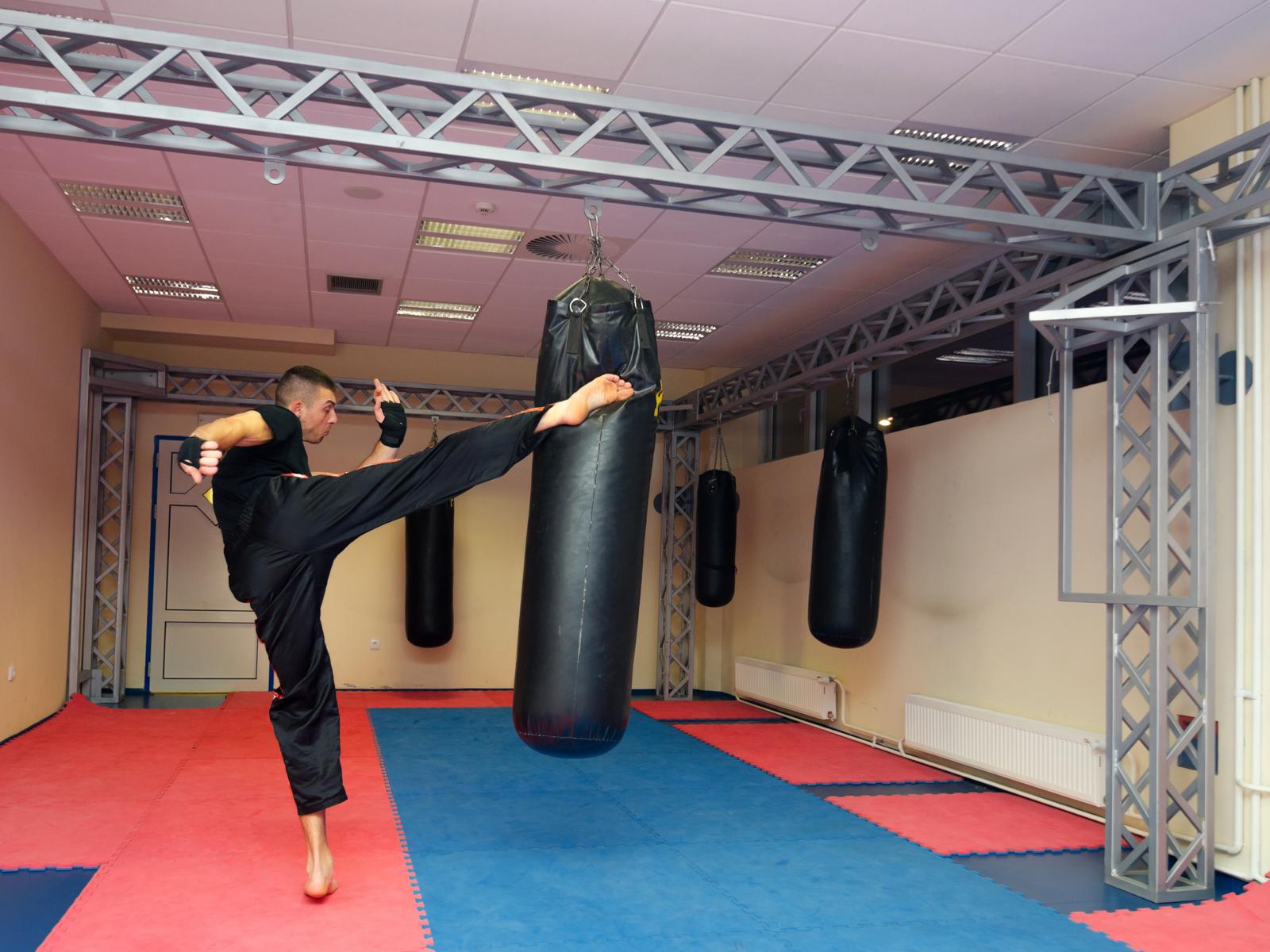
Savate, also known as French boxing, is a dynamic and elegant martial art that has captivated enthusiasts worldwide with its unique blend of grace and efficiency. Originating from France, Savate is a stand-up fighting sport that combines elements of western boxing with graceful kicking techniques. Unlike other martial arts, Savate is not just about brute strength or aggression; it is about technique, precision, and finesse. For those unfamiliar with this intriguing sport, this article aims to shed light on its history, techniques, training, and competitive nature, making Savate an accessible and intriguing subject for all.
Understanding Savate and Its Origins
Savate has its roots in the early 19th century France, where it started as a form of street fighting in Paris and southern French ports. Sailors and dockworkers developed a fighting style that involved using their boots as weapons, which was highly effective in the close quarters of urban environments and on the decks of ships. This early form of Savate was often brutal and unrefined, but as it gained popularity, it began to evolve into a more structured and regulated sport.
By the mid-19th century, Savate had transitioned from the streets to the training halls, where it was taught as a formal discipline. Techniques were refined and codified, and Savate became a popular pastime among the French elite. The sport continued to develop, and by the end of the 19th century, it had established rules and regulations, which included the use of gloves and specific types of shoes designed to minimize injury during competitions.
Savate Techniques and Training
Savate is known for its distinctive use of the feet as striking tools, with an emphasis on kicks that target the opponent’s entire body. The kicks in Savate are delivered with the precision and finesse of a fencer’s thrust. Practitioners, known as savateurs, use their feet to jab, hook, and sweep just as a boxer would with their fists. The techniques in Savate are categorized into four main types of kicks: the fouetté (whip kick), chassé (side or front piston-action kick), revers (reverse or hooking kick), and coup de pied bas (low kick).
In addition to the kicking techniques, Savate also incorporates hand strikes similar to those found in traditional boxing, such as jabs, crosses, hooks, and uppercuts. Savateurs are trained to combine their hand strikes with agile footwork, which allows them to move fluidly around the ring, evading attacks and positioning themselves to strike efficiently.
Training for Savate involves a balance of cardiovascular conditioning, flexibility training, technical drills, and sparring. Beginners are first taught the proper form for each technique and are gradually introduced to defensive movements and combinations. As savateurs progress, they engage in controlled sparring sessions that help them apply what they’ve learned in a dynamic and reactive environment.
Savate in Competition
Savate competitions, known as assauts, are where the sport’s elegance truly shines. Unlike other full-contact combat sports, the objective in a Savate competition is not to knock out the opponent but to demonstrate superior technique and control. Points are awarded based on the number of clean techniques a fighter lands on their opponent, with additional points for particularly impressive or difficult maneuvers.
Competitors wear protective gear including gloves, shin guards, and specially designed Savate boots, which are lightweight and flexible to allow for precise footwork and kicking techniques. There are several weight classes in Savate competitions, ensuring that matches are fair and that opponents are of similar size and strength.
The sport is governed by the Fédération Internationale de Savate (FIS), which oversees international competitions and works to standardize the rules and regulations of the sport. Savate also includes a ranking system similar to other martial arts, with practitioners earning different colored gloves as they advance in skill and knowledge.
The Global Appeal of Savate
Savate’s appeal lies not only in its effectiveness as a form of self-defense and its value as a competitive sport but also in its cultural and historical significance. It is a martial art that reflects the sophistication of French culture, emphasizing beauty in movement and tactical intelligence. The sport has now spread beyond the borders of France, gaining a dedicated following across Europe, the Americas, and other parts of the world.
The international Savate community is growing, with clubs and gyms offering classes for all ages and skill levels. The sport’s accessibility is one of its most compelling aspects; it doesn’t require extreme physical strength or flexibility, making it suitable for a wide range of individuals who are interested in learning a martial art that is as strategic as it is physical.
Whether you’re a seasoned martial artist looking for a new challenge or a newcomer to the world of combat sports, Savate offers a unique and captivating experience. Its combination of historical depth, technical precision, and athletic elegance makes it a martial art that is both rewarding to learn and exciting to watch. As Savate continues to gain popularity, its traditions and techniques are being passed down to new generations, ensuring that the art of French boxing will thrive for years to come.
