
Bandy Basics: Discover the Thrills of Ice Hockey’s Cousin
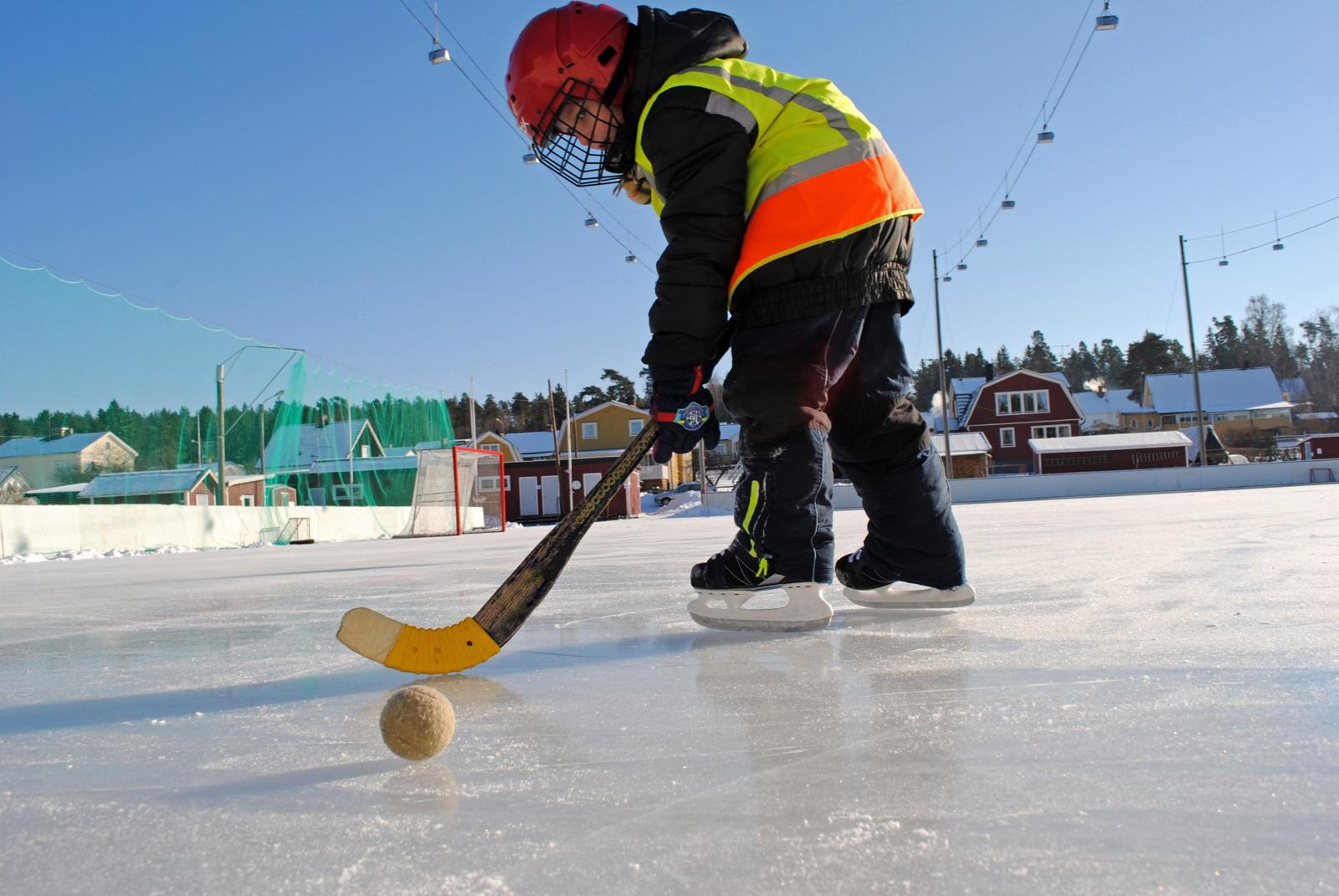
Bandy is a sport that, despite its rich history and fervent following in certain regions of the world, remains relatively unknown to many sports enthusiasts. Often described as a blend between ice hockey and soccer, bandy is played on a large ice rink with teams competing to score goals using a ball, rather than a puck. This game, which emphasizes speed, strategy, and skill, has a dedicated following and a unique culture worth exploring.
Understanding bandy: The basics
Bandy is played on a sheet of ice that is significantly larger than a hockey rink, roughly the size of a soccer field. The teams consist of eleven players each, including a goalkeeper. The players use sticks that are curved at the end, somewhat similar to field hockey sticks, to propel a small ball about the size of a tennis ball. The goals are larger than in ice hockey, resembling those used in soccer, which allows for a greater range of scoring techniques and a more dynamic game.
The origins of bandy trace back to the 19th century, with the sport gaining popularity in countries like Russia, Sweden, and Finland. It is often played outdoors, with the natural cold temperatures providing the perfect conditions for its ice rinks. The game is traditionally played over two halves, each lasting 45 minutes, with a halftime break for the teams to regroup.
The rules of the game share similarities with soccer, such as offside rules and corners, while incorporating elements unique to ice sports, including the use of boards around the rink. The combination of endurance, precision, and teamwork makes bandy a captivating sport to watch and play.
Equipment and attire
The equipment used in bandy is specialized and tailored to the needs of the sport. Players wear skates similar to those used in ice hockey, offering a blend of speed and maneuverability. The sticks are essential for ball control and shooting, while the ball itself is designed to remain playable at very low temperatures.
In terms of protective gear, bandy players wear helmets, often with face guards, to protect against injuries. Padding is worn as well, though it is less bulky than that of ice hockey, allowing for greater mobility. Goalkeepers wear additional protection, including padded clothing and special gloves, to safely block the high-speed ball.
The attire in bandy is also adapted to the chilly environments in which the game is played. Athletes wear thermal layers beneath their uniforms to retain body heat, with the uniforms consisting of long-sleeved shirts and pants rather than the shorts and T-shirts typical of soccer.
The flow of the game
Bandy’s gameplay is characterized by its fast pace and the strategic use of the large ice surface. Teams often employ strategies similar to those in soccer, such as formations and player roles, to maintain control of the ball and outmaneuver the opposition. Passing and ball control are crucial, as the expansive rink offers plenty of space for players to move and set up scoring opportunities.
One of the most exciting aspects of bandy is its emphasis on teamwork. Since the playing area is so large, successful teams must work cohesively to cover the ice, defend their goal, and launch counterattacks. This dynamic often leads to fast breaks and thrilling chases down the ice as teams vie for dominance.
Set pieces like corners and free hits add another tactical layer to the game, giving teams the chance to execute practiced plays and capitalize on scoring chances. Just like in soccer, these moments can be pivotal in determining the outcome of a match.
International play and competitions
Bandy has a passionate international community, with the sport governed by the Federation of International Bandy (FIB). The FIB oversees international competitions, including the Bandy World Championship, which brings together the top national teams from around the globe to compete for the title of world champion.
Club competitions also play a significant role in bandy, with leagues in countries where the sport is popular showcasing a high level of play and attracting fans to stadiums, regardless of the freezing temperatures. These leagues often feature professional players who have dedicated their careers to mastering the sport.
In addition to the men’s game, women’s bandy has been growing in popularity, with more and more female athletes taking to the ice to showcase their skills. The Women’s Bandy World Championship offers a platform for these athletes to compete at an international level and promotes the growth of the sport among all genders.
In conclusion, while bandy may not have the global reach of sports like soccer or ice hockey, it is a thrilling and distinctive game with a loyal following. Its combination of speed, skill, and strategy, played on a vast sheet of ice, makes it a spectacle worth experiencing. Whether as a player or a spectator, bandy offers an engaging winter sport alternative that continues to captivate audiences in countries where it is cherished.
