
Figure Skating Phenoms: Gliding to Glory on Ice
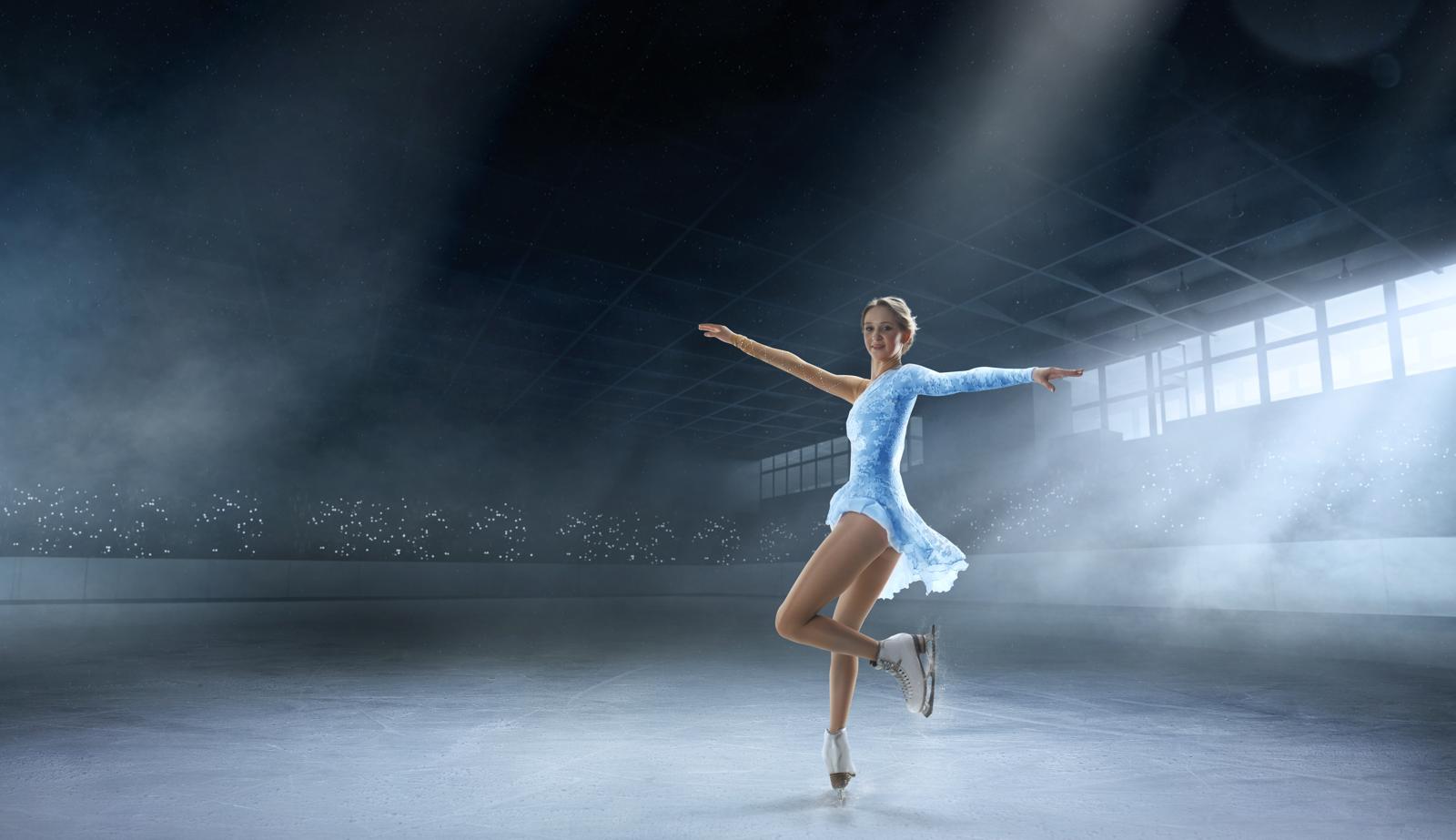
Ice skating is an elegant and mesmerizing sport that combines the grace of dance with the agility and strength of athletics. Whether it’s the sparkle of sequins flashing beneath the bright lights of a competition rink or the solitary figure etching patterns into a frozen pond, artistic skating captivates audiences around the world. This form of skating is not merely a sport but an art, requiring a blend of precision, balance, and artistry that takes years of dedicated practice to master.
Understanding Artistic Skating
At its core, artistic skating is about expression and technical skill. Skaters perform to music, interpreting the melody and mood through movements on ice. They are judged on a range of elements, including jumps, spins, footwork, and overall presentation. The choice of music and costume also plays a key role in conveying the theme or story of the routine.
The sport has two primary disciplines: singles and pairs. In singles skating, individual skaters perform jumps, spins, and steps. Pairs skating adds the dimension of partnership, with lifts, throw jumps, and synchronized movements. There’s also ice dance, a discipline that emphasizes rhythm, interpretation, and precise footwork over jumps and spins.
Training and Technique
For skaters, the journey to proficiency is long and demands both physical and mental stamina. They begin by mastering basic skating skills, such as gliding, stopping, and simple turns. As they progress, more complex moves are introduced, such as the various jumps – the toe loop, salchow, lutz, flip, loop, and the axel, which is the only jump that begins with a forward takeoff.
Spins are another fundamental aspect of artistic skating. There are many variations, but most spins fall into one of three categories: the sit spin, the camel spin, and the upright spin. Skaters must also develop intricate footwork, which includes steps and turns in a sequence that demonstrates control and rhythm.
The physical demands of the sport are high. Skaters must have strong core muscles for balance, powerful legs for jumps, and flexible bodies to achieve the positions required for spins and lifts. Off-ice training is crucial, often including ballet for grace and posture, as well as strength and endurance workouts.
Competitions and Judging
In competitions, skaters are evaluated based on a scoring system that assesses technical elements and program components. The technical score reflects the difficulty and execution of jumps, spins, and footwork. The program components score evaluates the artistic aspects, such as choreography, interpretation, and performance.
Each element performed by the skater has a base value, and judges award points based on the quality of its execution. Deductions can occur for mistakes such as falls or violations of the rules. The intricate nature of scoring means that both skaters and coaches must have a keen understanding of the rules and the elements that maximize points.
Styles and Influences
Artistic skating is influenced by a variety of factors, including the skater’s individual style, cultural trends, and even technological advancements in equipment. Skaters often have signature moves or styles that set them apart. Some may be known for their athletic power and high-flying jumps, while others may be celebrated for their emotive storytelling and nuanced choreography.
Costumes and music reflect the skater’s personal style and the character of the performance. They can range from classical ballet-inspired outfits to modern designs that reflect the latest fashion trends. Music selection is equally varied, with pieces ranging from classical masterpieces to contemporary hits.
The Evolution of the Sport
Over time, artistic skating has evolved, with athletes pushing the boundaries of what is possible on ice. The sport has seen changes in everything from the length and fit of the skates to the materials used in the costumes. Technological advancements in boot and blade design allow for greater control and precision.
The athleticism of the sport has also increased. Each generation of skaters raises the bar with more complex jumps and faster spins. Training methods have advanced, with an emphasis on sport science to optimize performance and reduce the risk of injury.
Artistic skating has a timeless quality, capturing the imagination with its blend of art and athleticism. It is a sport where every performance is a narrative told on a stage of ice, with its own heroes and triumphs. For both the skater and the spectator, it is a dance of daring and beauty, a celebration of human movement at its most intricate and expressive.
