
Freeride Skiing: Carving Through the Untamed Slopes
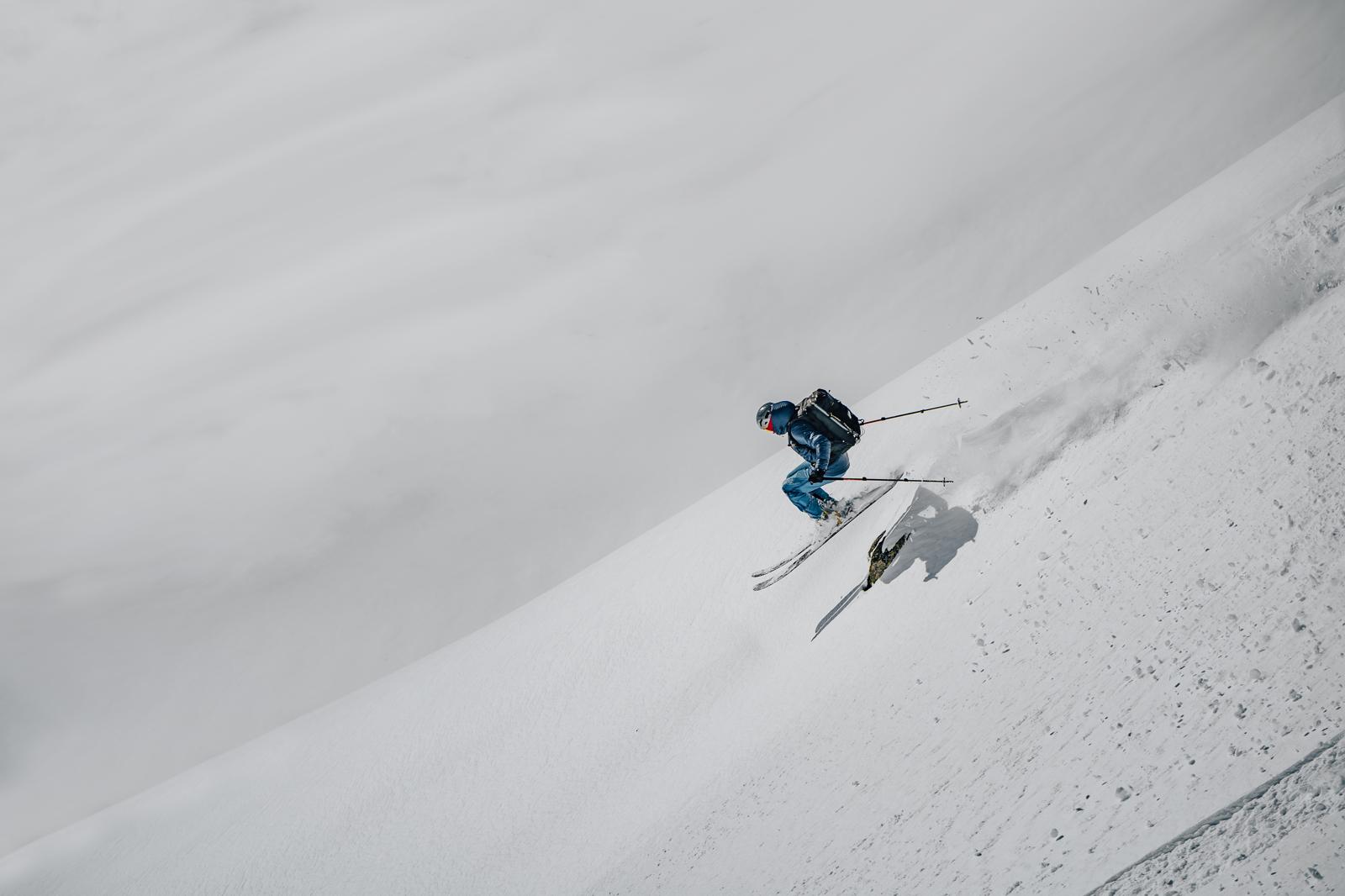
Freeride skiing, often described as off-piste, backcountry, or sidecountry skiing, is the ultimate adventure for snow sports enthusiasts seeking thrills beyond the groomed slopes of a ski resort. It involves making one’s way down natural, unpatrolled, and usually unmarked terrains, free from the restrictions of set courses or predefined paths. This exhilarating form of skiing not only demands a high level of skill and athleticism but also a comprehensive understanding of mountain safety. In the following article, we will delve into the world of freeride skiing, discussing what it entails, the necessary equipment, skills, and safety considerations that are essential to have a safe and enjoyable experience.
Understanding Freeride Skiing
At its core, freeride skiing is about the freedom to explore and the ability to adapt to the raw conditions that Mother Nature presents. Unlike resort skiing, where trails are clearly marked and hazards are minimized or marked, freeriding takes place in a more unpredictable environment. This could mean skiing through deep powdery snow in forested areas, descending steep chutes, or even launching off natural jumps and features. The allure of freeride skiing is the sense of adventure and the connection with the wilderness that one experiences while navigating through unspoiled snowy landscapes.
Freeriding can occur in bounds within a ski resort area – in places where the snow isn’t groomed and the terrain isn’t controlled – or in the backcountry, which is completely outside the resort’s boundaries. The backcountry is accessed either by hiking, skinning (a method where skis are fitted with skins to allow uphill movement), or by helicopter or snowcat in what’s known as heli-skiing or cat-skiing. Each method of accessing freeride terrain presents its own set of challenges and rewards, and it’s important for skiers to understand their personal limits and the risks involved.
Equipment for Freeride Skiing
The right equipment is crucial for safety and enjoyment in freeride skiing. Freeride skis are typically wider than traditional alpine skis, providing better flotation in deep snow. They can also feature a rockered design, where the tip and tail are curved upwards, which aids in maneuverability and float. Bindings for freeride skis should be sturdy and sometimes come with a release mechanism that can help in case of avalanches.
Additionally, because freeride skiing often takes place in remote areas, a set of avalanche safety equipment is mandatory. This includes an avalanche transceiver, a probe, and a shovel. The transceiver helps locate buried skiers, the probe is used to pinpoint their exact location, and the shovel is for digging them out. Furthermore, many backcountry skiers carry an avalanche airbag system that can increase buoyancy and visibility in the event of an avalanche.
Since the conditions in freeride terrains can be vastly different from groomed slopes, proper apparel is also key. Layered clothing that can handle extreme cold, moisture-wicking materials to keep the body dry, and waterproof outer layers are all important. Helmets, goggles with proper UV protection, and gloves are also non-negotiables for protecting against both the elements and potential impact.
Skills for Freeride Skiing
Freeride skiing isn’t for beginners. It requires a strong foundation in alpine skiing techniques, as well as the ability to handle a variety of snow conditions – from deep powder to icy crusts. Freeriders need to be confident in making quick, controlled turns, adjusting their speed, and stopping, all in ungroomed and often steep environments. It also involves a certain level of physical fitness, as skiing in deep snow can be particularly demanding and in some cases, the ascent or descent may require hiking or climbing.
Beyond the physical techniques, freeriders must also possess strong mountain navigation and snow analysis skills. Understanding weather patterns, being able to identify potential avalanche terrain, and knowing how to read a slope for the safest line is critical. The ability to assess snow stability and make informed decisions on the fly can literally mean the difference between a great day out and a life-threatening situation.
Safety Considerations and Practices
While the thrill of freeride skiing is undeniable, it comes with considerable risk. This is why safety should always be a freerider’s top priority. Before heading out, it’s important to check the weather forecast and avalanche reports. Skiers should never venture out alone and should always inform someone of their intended route and expected return time.
Education is another key component of freeride safety. Taking a course in avalanche safety is highly recommended, as it teaches skiers how to identify hazards, use safety equipment, and rescue techniques. Joining a guided tour can also be a good way to get introduced to freeride skiing, as guides are often experienced and trained in mountain safety.
Finally, respecting the mountain environment and being mindful of wildlife and natural habitats is part of being a responsible freerider. This includes understanding the principles of Leave No Trace, being aware of seasonal wildlife closures, and minimizing one’s environmental impact.
Freeride skiing is an incredible way to experience the mountains in their purest form. It offers unparalleled freedom and challenges that can’t be found on groomed trails. However, it requires proper gear, advanced skills, and a strong commitment to safety. With the right preparation and respect for the mountains, freeriders can enjoy some of the most exhilarating and rewarding experiences that winter sports have to offer.
