
Judo’s Journey: The Thrilling Olympic Discipline That Grapples for Gold
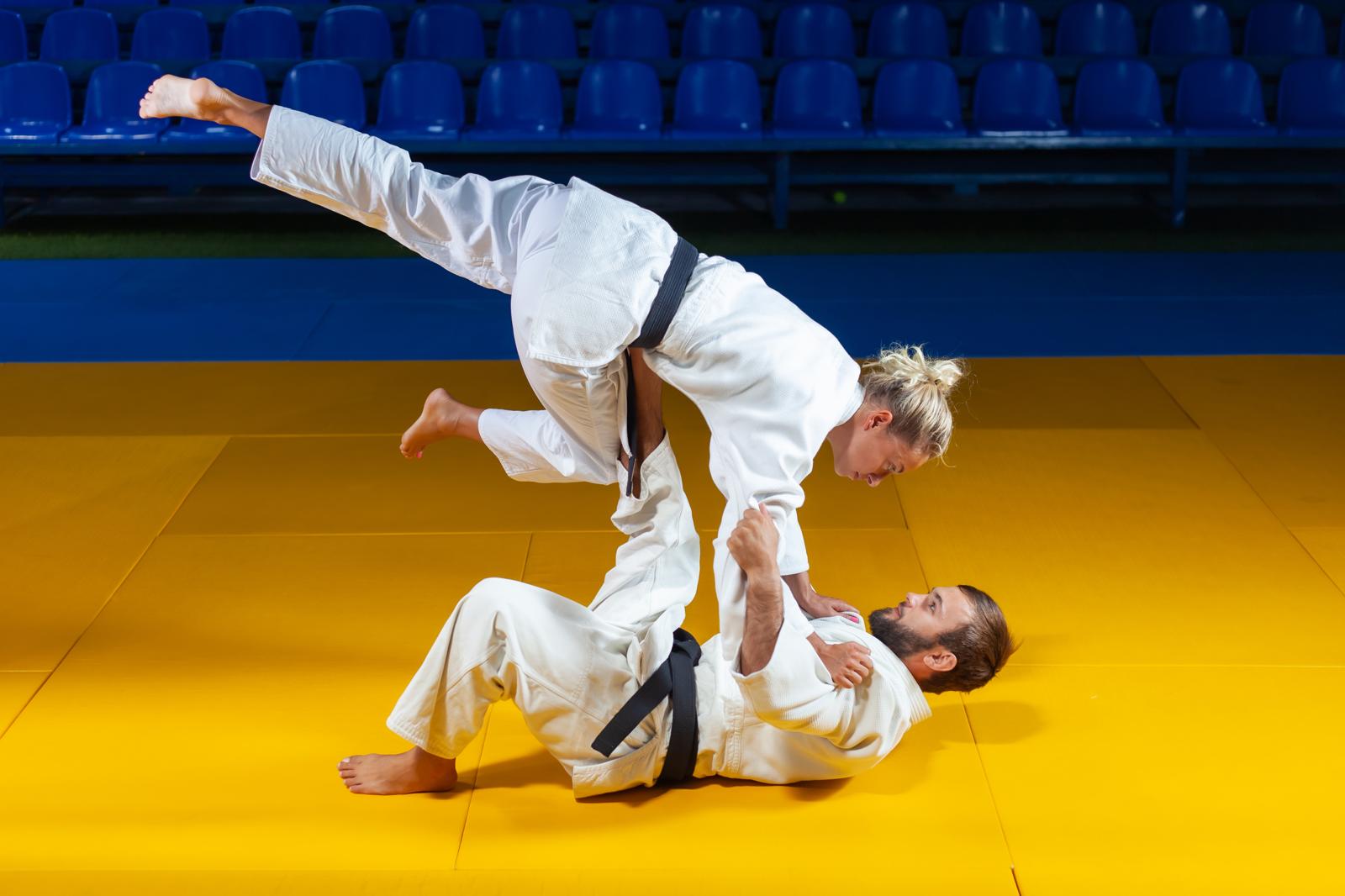
Judo, deriving from the Japanese terms “ju” (gentle) and “do” (way), is a martial art that offers much more than a method of self-defense. This discipline, crafted in the late 19th century in Japan by Dr. Jigoro Kano, has evolved into a modern sport practiced worldwide, with millions of enthusiasts embracing its philosophy and techniques. Judo’s core principles revolve around using an opponent’s strength against them, emphasizing mental fortitude, discipline, and mutual respect. As we delve into the world of judo, we’ll explore its history, techniques, mental and physical benefits, and its unique ethos that sets it apart from other martial arts.
The history of judo
Judo’s origin dates back to 1882 when Dr. Jigoro Kano, a physical educator and martial artist, established the Kodokan Judo Institute in Tokyo. Kano’s vision was to create a martial art that could be practiced safely while promoting personal growth and physical education. He meticulously refined traditional jujutsu techniques, eliminating the more dangerous moves to focus on throws, pins, joint locks, and chokeholds. Kano’s philosophy was deeply rooted in the idea of “maximum efficiency with minimum effort” and “mutual welfare and benefit.” These principles guided judo’s development from a self-defense system to an internationally recognized competitive sport and educational method.
Understanding judo techniques
Judo techniques, or “waza,” are categorized into three main groups: “nage-waza” (throwing techniques), “katame-waza” (grappling techniques), and “atemi-waza” (striking techniques), the latter of which is not used in modern competition. Nage-waza is further divided into standing techniques (“tachi-waza”) and sacrifice techniques (“sutemi-waza”), where the practitioner uses their own body to throw the opponent. Katame-waza includes pins (“osaekomi-waza”), joint locks (“kansetsu-waza”), and chokeholds or strangulations (“shime-waza”).
A judo encounter typically begins with both practitioners, known as “judoka,” gripping each other’s judo uniform, or “gi.” They attempt to off-balance one another using footwork, movement, and strategy to execute a throw. Once on the ground, the focus shifts to grappling, where the goal is to immobilize the opponent with a pin, force a submission with a joint lock, or apply a chokehold to win the contest. The beauty of judo lies in the seamless transition between these techniques, all hinged on the concept of leverage and balance rather than brute force.
Mental and physical benefits of judo
Judo is not merely a physical endeavor; it is a holistic practice that nurtures both the body and the mind. Physically, judo practitioners develop enhanced coordination, balance, reflexes, and overall fitness. The sport’s dynamic nature requires cardiovascular endurance, strength, and flexibility. Moreover, judo fosters self-defense skills that can empower individuals in threatening situations.
Mentally, judo instills values such as discipline, focus, and perseverance. It teaches the importance of strategic thinking and adaptability, as judoka must constantly evaluate and respond to their opponent’s movements. Judo also promotes the development of confidence and self-esteem, as practitioners overcome challenges and progress through ranks, symbolized by different colored belts.
The character-building aspect of judo cannot be overstated, as it encourages respect for oneself and others, a key component of the martial art’s ethos. This respect is evident in the ceremonial bowing to the opponent before and after a match, signifying mutual regard and gratitude for the opportunity to learn and improve.
Judo’s ethos and its impact on society
Judo’s ethos extends beyond the mat and into everyday life. The principles taught in judo, such as respect, courage, sincerity, honor, and modesty, have positive implications for societal behavior. Judoka learn to approach life’s challenges with the same mindset they apply in training: embracing difficulties, learning from failure, and persisting with a resilient spirit.
The sport’s global appeal is a testament to its adaptability across cultures and its capacity to foster community and friendship among practitioners. Judo’s inclusion in the Olympic Games since 1964 has amplified its visibility and reinforced its status as a sport that champions diversity and inclusion. Regardless of age, gender, or ability, judo offers a pathway for personal development and connection, making it a valuable asset for communities worldwide.
Judo serves as a bridge between physical education, moral development, and social interaction. Its practice can lead to a better understanding of oneself and others, promoting harmony and peace in line with Dr. Kano’s original intentions. As a sport and a way of life, judo continues to inspire and educate, proving that the gentle way can indeed lead to strength, both on and off the mat.
In conclusion, judo is much more than a sport; it is a comprehensive discipline that emphasizes physical competence, mental fortitude, and ethical behavior. Whether one seeks to compete, defend oneself, or cultivate character, judo offers a rich, rewarding journey. Its timeless principles and adaptable techniques ensure that judo will remain a cherished practice for generations to come, guiding individuals toward self-improvement and mutual respect.
