
Mountaineering Marvels: Conquering Peaks and Defying Limits
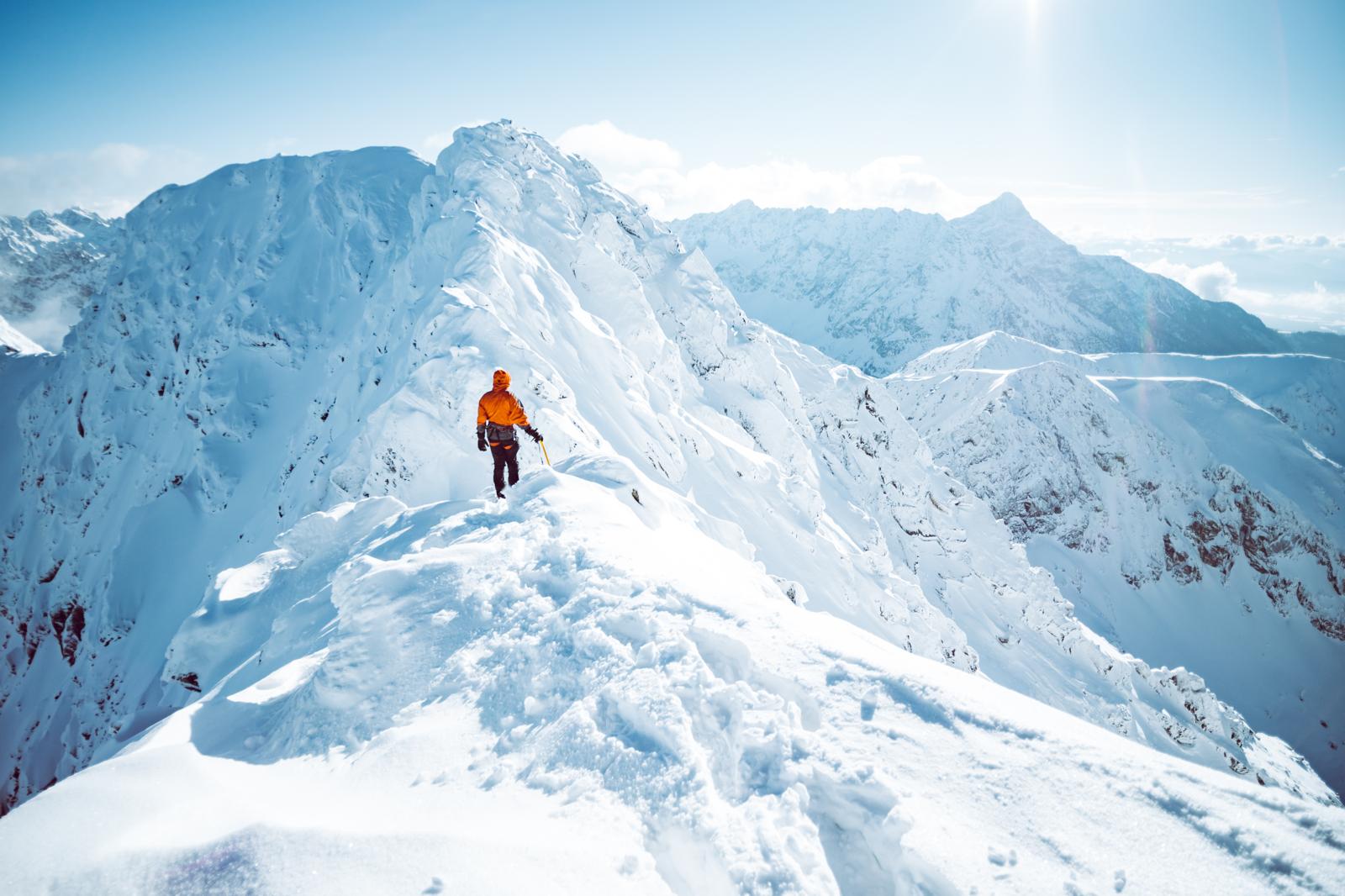
Climbing mountains is an endeavor that has captivated humans for centuries. The allure of reaching the highest points on Earth, to stand atop the summit and survey the world from such lofty heights, is a powerful motivator that has led countless individuals to take up the sport of mountaineering. Also known as alpinism, this activity combines aspects of hiking, rock climbing, and, on the highest peaks, ice climbing and snowcraft. To the uninitiated, alpinism might seem like an exclusive or daunting pursuit, but with proper knowledge and preparation, it can be an accessible and deeply rewarding experience.
Understanding Alpinism
At its core, alpinism is about ascending mountains. This can involve a range of activities, from walking up gentle slopes to navigating technical rock, ice, and snow climbs. Alpinism places a strong emphasis on self-sufficiency, requiring climbers to carry all their food, shelter, and equipment. Unlike other forms of climbing that might involve pre-placed bolts or fixed ropes, alpinism often involves pioneering new routes or navigating unmarked terrain. The challenge is not only physical but also mental, as climbers must make decisions in environments where the margin for error can be very slim.
Alpinism has a rich history, with its roots deeply embedded in the exploration of the European Alps. Over time, it has evolved into a global passion, with climbers seeking out the highest and most challenging peaks across the world. Whether it’s the Seven Summits, the tallest peak on each continent, or lesser-known but equally demanding mountains, alpinism is about exploring the limits of human endurance and the natural world.
Equipment and Preparation
The right equipment is crucial in alpinism. The basics include a reliable pair of mountaineering boots, designed to keep feet warm and dry while providing support for climbing. A climber must also have a harness, ropes, carabiners, and various devices for belaying and rappelling. For routes involving ice and snow, ice axes, crampons, and snow protection like pickets and ice screws are essential.
But equipment alone won’t ensure safety or success. Preparation is key, which includes physical conditioning, acquiring technical skills, and understanding the risks involved. Climbers should be fit enough to handle long days of ascent under the weight of a pack and be able to endure the thin air of high altitudes. They must also be well-versed in climbing techniques, rescue procedures, and navigation. Often, this means starting with smaller, less technical climbs and gradually building up to more challenging peaks.
Safety in the Mountains
Safety is paramount in alpinism. The mountain environment is inherently unpredictable, with weather, avalanches, and rockfall presenting constant risks. To mitigate these dangers, climbers must be able to read the weather and understand snow and ice conditions. They should also know how to navigate crevassed glaciers and be prepared to turn back if conditions deteriorate.
One of the keys to safety is good decision-making, which comes with experience and sometimes hard-earned lessons. Climbers must be able to assess risks and make judgements about whether to proceed or retreat. A successful climb is not necessarily one that reaches the summit, but one from which all parties return safely.
The Spirit of Adventure
Despite the risks, alpinism remains appealing to many because of the profound sense of adventure it offers. It is a sport that pushes individuals to discover new landscapes, learn new skills, and overcome physical and mental challenges. The bond formed among climbing partners, the joy of a summit reached, and the stories of adventures had are what draw climbers back to the mountains time and time again.
Alpinism also offers a unique perspective on our planet. From high above, climbers witness the beauty and fragility of the Earth’s environments, often becoming advocates for conservation and environmental protection. It is a sport that, while focused on the individual’s journey, has broader implications for how we view and treat the natural world.
To those interested in starting their journey into the world of alpinism, the path begins with a single step – often on a small, local peak. With commitment and respect for the mountains, the wonders of alpinism await. Whether it leads to the towering Himalayas or the rugged Andes, the journey promises to be one of the most fulfilling and exhilarating experiences. And for those who persevere, the mountains may bestow their greatest gift: a lifelong passion for the high places of the world, where the air is thin, the challenges immense, and the rewards immeasurable.
