
Nordic Skiing: Glide Into the Thrill of Cross-Country Adventure
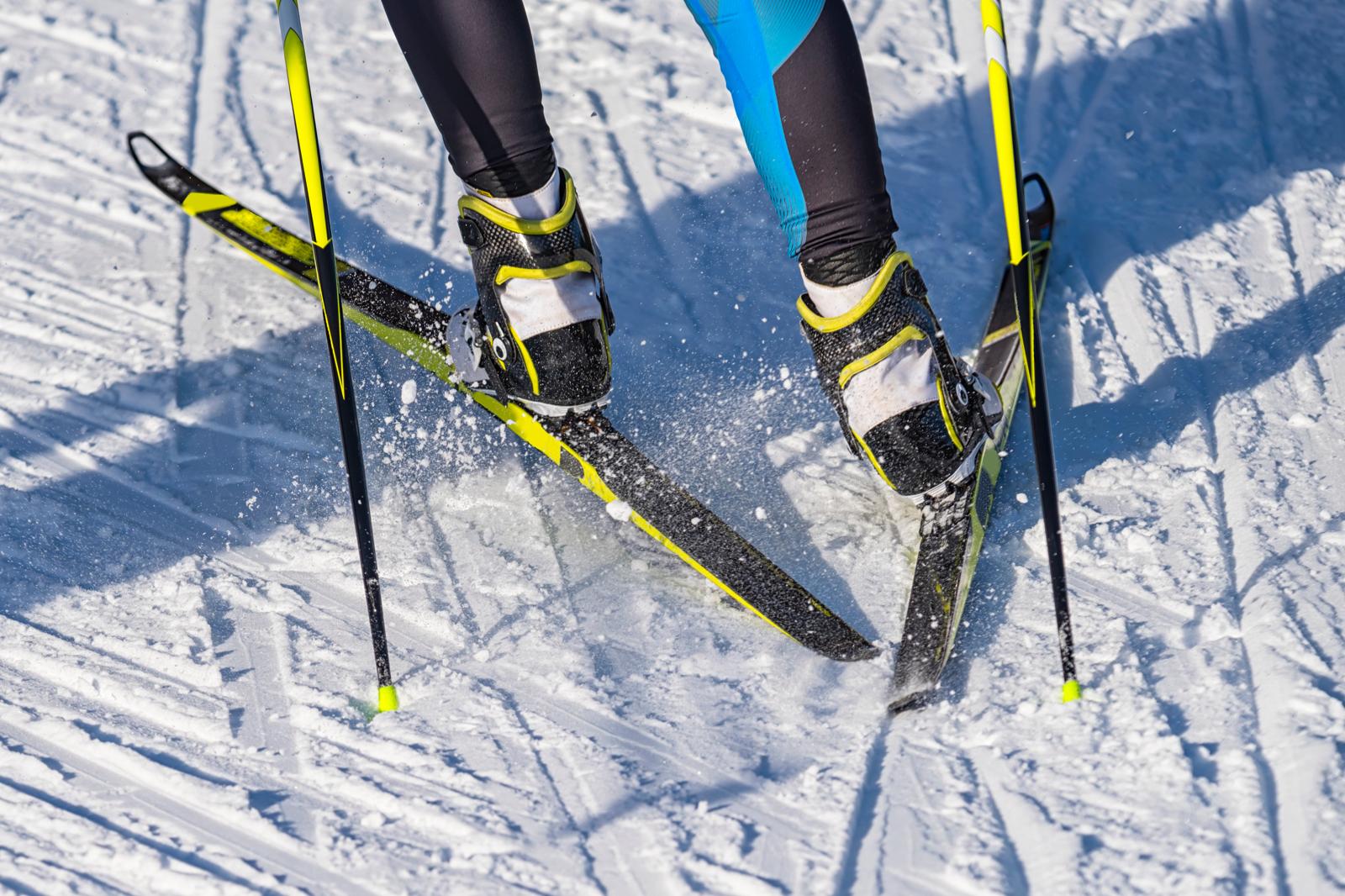
Cross-country skiing, often referred to as Nordic skiing, is a captivating blend of endurance, finesse, and nature. This sport, which originated in the snowy terrains of Scandinavia, has evolved over the centuries from a necessary means of transportation to a popular winter pastime and competitive sport enjoyed worldwide. The allure of Nordic skiing lies not just in the physical challenge it presents, but also in the serene landscapes it allows one to traverse. As we delve into the world of Nordic skiing, we will explore its various forms, the equipment involved, the benefits of engaging in this sport, and how to get started, ensuring that even those with no prior knowledge can gain an understanding of this beautiful winter activity.
Forms of Nordic skiing
Nordic skiing encompasses a range of disciplines, each with its own set of techniques, equipment, and challenges. The two primary forms are classic skiing and skate skiing.
Classic skiing is the traditional style, wherein the skier glides forward in pre-set tracks with a motion that resembles walking or running. The skis move in a straight line, and the skier’s arms and legs typically work in opposite directions, creating a coordinated, rhythmic movement. Classic skiing is often recommended for beginners due to its natural motion and the control one has within the tracks.
Skate skiing, on the other hand, is a more recent technique that emerged in the 1980s. It resembles the motions of ice skating and requires a smooth, snow-packed surface. The skier pushes the inner edge of one ski out to the side, propelling themselves forward, while the other ski is brought forward for the next stride. This style is faster and more physically demanding than classic skiing and is often favored by those seeking a more intense workout.
Both classic and skate skiing can be enjoyed recreationally or as part of various competitive events, including sprints, distance races, and biathlons, which combine skiing with precision target shooting.
Equipment essentials
Proper equipment is crucial for an enjoyable and safe Nordic skiing experience. The basics include skis, boots, bindings, and poles, each tailored to the skier’s size, weight, and the style of skiing they intend to pursue.
Skis for classic Nordic skiing are typically longer and narrower, designed to fit within the tracks and provide a smooth glide. Skate skis are shorter and stiffer, allowing for the dynamic side-to-side movement required by the technique.
Boots for Nordic skiing are lighter and more flexible than those used in downhill skiing. In classic skiing, only the toe of the boot is attached to the ski, leaving the heel free for a natural striding motion. Skate skiing boots have more ankle support to handle the lateral forces generated during the skiing motion.
Bindings connect the boot to the ski and vary between classic and skate skiing. Classic bindings allow the heel to lift, whereas skate skiing bindings provide more stability and control to manage the forces exerted during skating.
Poles are essential for propulsion and balance. For classic skiing, poles typically reach up to the skier’s armpits, while skate skiing poles are longer, often extending to the chin or lips, to facilitate the powerful poling action used in this technique.
Health benefits of Nordic skiing
Nordic skiing is not only an enjoyable activity, but it also offers numerous health benefits. As a low-impact, full-body workout, it is an excellent cardiovascular exercise that can improve heart health and increase endurance. The sport engages the arms, legs, core, and back muscles, promoting overall muscle strength and flexibility.
Additionally, Nordic skiing can be a calorie-burning powerhouse, with the potential to burn hundreds of calories per hour, making it an effective way to maintain or achieve a healthy weight. The rhythmic nature of the sport, coupled with the tranquil outdoor settings, can also provide mental health benefits, reducing stress and enhancing one’s mood through the release of endorphins.
Getting started with Nordic skiing
For those new to Nordic skiing, starting with lessons from a qualified instructor can make the learning process more manageable and enjoyable. Many ski resorts and Nordic centers offer beginner classes that cover basic techniques, safety, and how to properly use the equipment. Joining a local ski club or community group can also provide support and opportunities to practice with more experienced skiers.
When beginning, it is often recommended to rent equipment before making a purchase. This allows for experimentation with different styles and sizes to find the best fit. As skills and confidence grow, investing in personal gear can enhance the skiing experience.
Nordic skiing is a sport that can be enjoyed alone or with friends and family, offering a delightful way to experience wintertime outdoors. Whether seeking a peaceful glide through a snow-covered forest or the thrill of competition, Nordic skiing provides a versatile and enriching experience for all ages and skill levels. As we embrace the chill of winter, there’s no better time to discover the joy of Nordic skiing and the multitude of benefits it brings.
