
Qianball Craze: The Rising Star in Global Sports
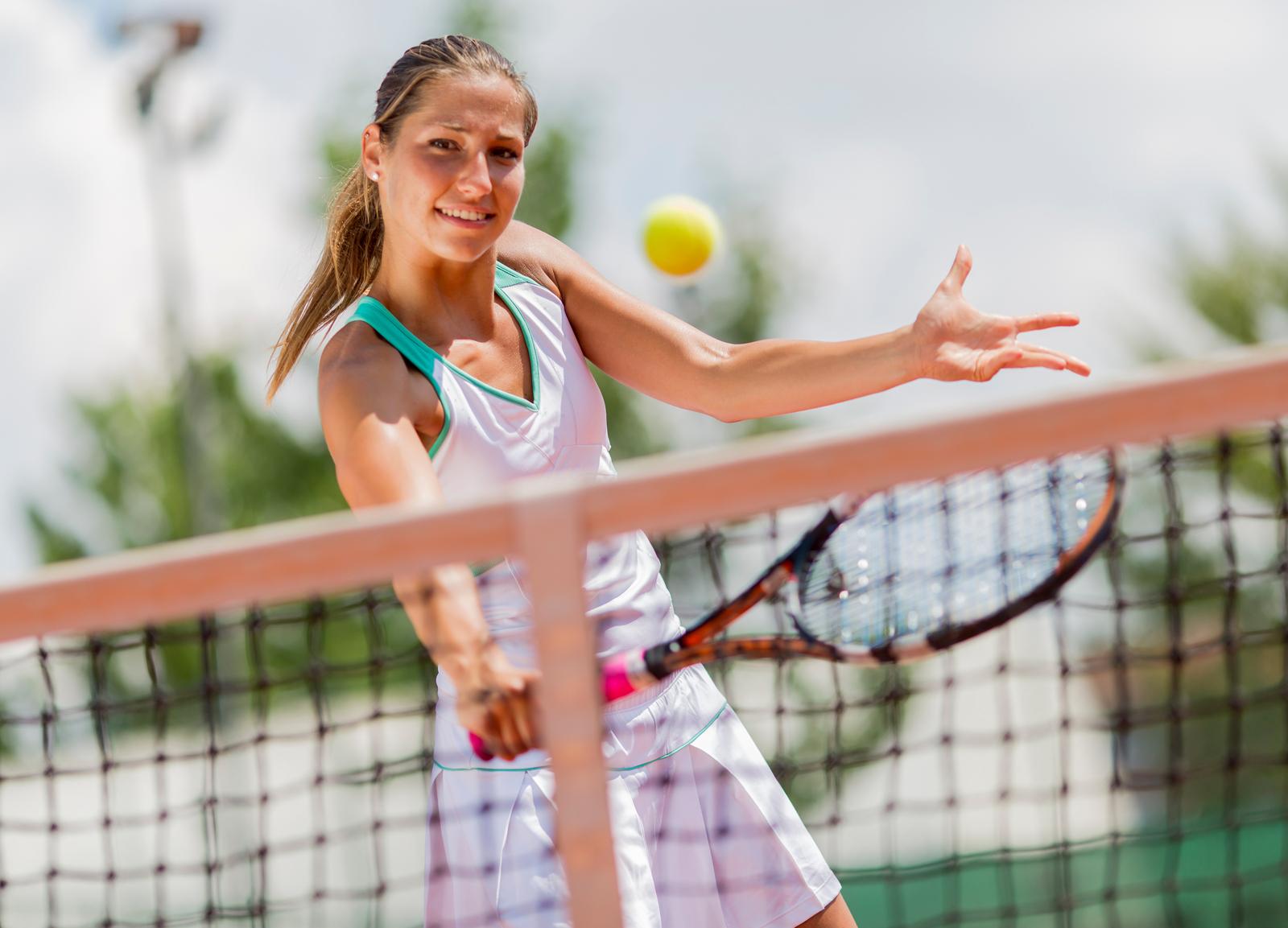
Qianball, a sport that has been gaining attention in recent years, is an intriguing and multifaceted game that appeals to a wide audience for its combination of techniques derived from various well-known sports such as tennis, badminton, and squash. Its uniqueness lies in the blending of these elements to create a new, dynamic form of gameplay that is both accessible to beginners and challenging for seasoned athletes. In this article, we will delve into the origins of qianball, its rules, equipment, and why it’s becoming a popular pastime for players of all ages and skill levels.
Understanding Qianball
Qianball is a racquet sport that can be played indoors or outdoors, on a court similar to that of a badminton or tennis court. The objective of the game is to hit a ball, using a uniquely designed qianball racquet, over a net or against a wall, in a manner that makes it difficult for the opponent to return it. This aspect of play borrows from tennis and squash, where placement and strategy are key to outmaneuvering one’s opponent, while the lightweight shuttlecock-like ball is reminiscent of badminton’s shuttlecock.
The game can be played in various formats, including singles, doubles, and even in a wall-based version akin to squash. This flexibility in play style makes qianball an inclusive sport that can cater to various preferences and situations, whether it’s a competitive match or a casual rally among friends.
Rules and Gameplay
The basic rules of qianball are straightforward, making it easy for newcomers to pick up the game quickly. A match begins with a serve, which must be hit underhand and diagonally crosscourt, akin to badminton. The players then rally back and forth, with the objective to score points by landing the ball in the opponent’s court or if the opponent fails to make a legal return. Points can be scored by either player, regardless of who served, which is similar to volleyball and table tennis.
A legal return involves hitting the ball before it bounces twice on one’s own side of the court and ensuring it travels over the net and into the opponent’s designated play area. Players are not allowed to touch the net or the opponent’s side of the court with their racquet or any part of their body. The first player or doubles team to reach a predetermined number of points, typically 11 or 21, wins the game, and a match is usually the best of three or five games.
Equipment Essentials
One of the unique aspects of qianball is its specialized equipment. The qianball racquet is distinct from other racquet sports in its shape and design. It is typically larger than a squash racquet but smaller than a tennis racquet, with a string tension that offers a blend of power and control suitable for hitting both hard drives and delicate shots.
The ball used in qianball is also peculiar; it is larger than a tennis ball but much lighter, allowing for extended rallies and a variety of shot types. The ball’s design also contributes to the game’s accessibility, as its slow speed relative to other racquet sports balls allows players more time to react and position themselves, which is particularly beneficial for beginners or those with limited mobility.
Benefits of Playing Qianball
Qianball is a sport that offers numerous benefits to its players. Physically, it is an excellent cardiovascular workout, improving endurance and agility as players move around the court to keep the rallies going. The variety of shots and strategies involved also provides a mental workout, as players must constantly be thinking about how to outplay their opponent.
Socially, qianball is known for its friendly and inclusive community. The ease of understanding the game means that people of all ages and skill levels can quickly join in on the fun. It’s also a great family sport, as it can be adapted to be less competitive and more recreational, depending on the players’ preferences.
Moreover, qianball is a low-impact sport, which reduces the risk of injury that is often associated with high-impact sports. This aspect makes it a lifelong sport that can be enjoyed well into one’s senior years, maintaining physical health and social connections.
Growing Popularity
The popularity of qianball has been steadily growing as more people discover its benefits and enjoy the unique blend of elements it derives from other popular racquet sports. The game’s adaptability to different environments and situations, from competitive tournaments to backyard family gatherings, is a significant factor in its expanding reach. Additionally, the low cost of equipment and the ease of setting up a makeshift court mean that it is accessible to a broad audience, regardless of economic status.
Qianball’s international appeal is also on the rise, with communities and clubs sprouting up across the globe. The sport’s inclusive nature, coupled with the excitement it generates through dynamic gameplay, positions it as a contender in the world of recreational and competitive sports. As more people get involved, it’s likely that qianball will establish a more significant presence in the sporting landscape, perhaps one day joining the ranks of its racquet sport predecessors on a global stage.
In conclusion, qianball is a sport that encapsulates fun, fitness, and social interaction, packaged in a game that is both easy to learn and challenging to master. Its growing popularity testifies to its appeal to a diverse audience, with its mix of elements from other sports offering something for everyone, and its potential for growth seems boundless. Whether you’re looking to engage in a new recreational activity or seeking a competitive edge, qianball is a game worth exploring.
