
Ski Sensations: Unveiling the Thrills of Winter Sports
Skiing is a sport that captivates enthusiasts around the globe, offering both an adrenaline rush and a unique way to experience the beauty of winter landscapes. It is an activity that combines physical challenge, technical skill, and the breathtaking serenity of snow-covered mountains. This text aims to demystify the world of skiing for those new to the sport while providing deeper insights that even seasoned skiers might appreciate.
Understanding the basics of skiing
The fundamental concept of skiing is rather straightforward: individuals attach long, narrow skis to their boots and use them to glide over snow. This can be done for transportation, recreation, or competitive purposes. There are various types of skiing, including alpine (or downhill), Nordic (cross-country), and freestyle. Each type requires a different set of skills, equipment, and terrain.
Alpine skiing typically takes place at a ski resort with designated trails or runs. These runs are categorized by difficulty, indicated by a color-coded system. Green circles represent the easiest trails, followed by blue squares (intermediate), black diamonds (difficult), and double black diamonds (extremely difficult). Lifts, such as gondolas, chairlifts, or surface lifts, transport skiers up the mountain. The goal is to descend the slope using controlled turns to manage speed and direction.
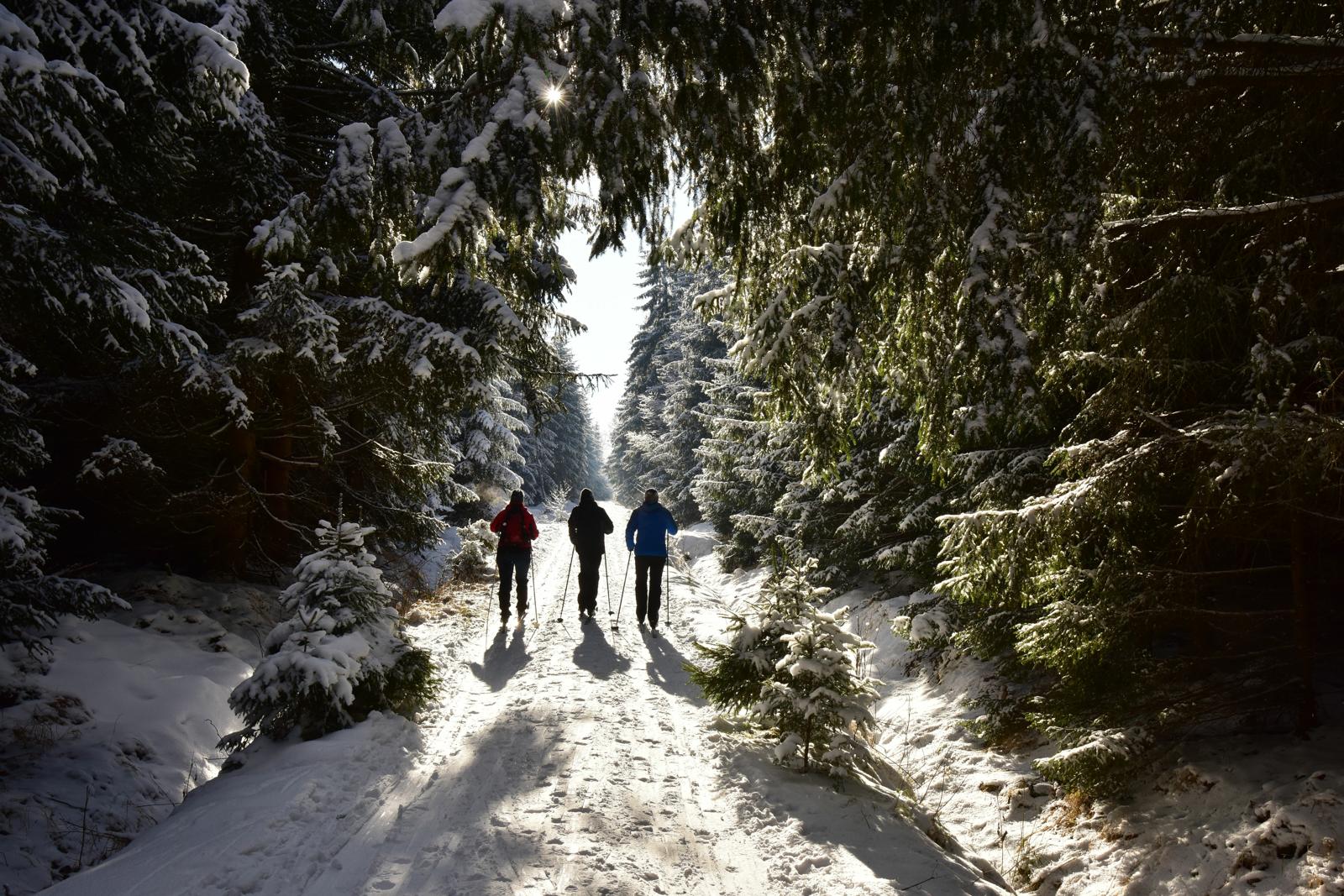
Nordic skiing, on the other hand, is more endurance-oriented. It often takes place on flatter terrain and involves a straighter glide with a pushing motion of the skis. This style is also used in biathlon, a sport that combines cross-country skiing with rifle shooting.
Freestyle skiing incorporates acrobatic maneuvers and is performed in terrain parks or halfpipes within ski resorts. It includes disciplines such as moguls, aerials, and slopestyle.
Choosing the right equipment
To enjoy a safe and comfortable skiing experience, selecting appropriate gear is essential. The basics include skis, boots, bindings, poles, and protective equipment such as helmets and goggles. When choosing skis, consider the type of skiing you’ll be doing. Downhill skis are typically shorter and wider to provide stability and easy turning. Cross-country skis are longer and narrower for efficient travel over long distances.
Boots must fit snugly yet comfortably, providing support to the ankles and feet. Properly fitted boots can significantly improve control over the skis. Bindings keep the boots affixed to the skis and release in case of a fall to prevent injury. Poles are used for balance and propulsion, especially in cross-country skiing.
Protective equipment like helmets should be non-negotiable for every skier. Helmets protect against head injuries, while high-quality goggles protect the eyes from glare and cold.
Skiing techniques and skills
Mastering skiing techniques is a journey that begins with learning the basic stance—a slightly bent posture with weight balanced over the skis. For beginners, the snowplow or wedge technique is often the starting point. This involves pointing the tips of the skis towards each other to slow down or stop.
As skills progress, skiers move on to parallel turns, where the skis are kept parallel while turning. More advanced techniques include carving, where skiers tilt their skis on the edges to make clean, sharp turns.
Proper training and instruction can greatly accelerate learning and enhance safety. Many resorts offer lessons with certified instructors for all levels. Additionally, understanding the concept of skiing etiquette—such as yielding to skiers downhill from you and not obstructing trails—is crucial for everyone’s safety on the slopes.
Safety and preparedness on the slopes
Safety is paramount when it comes to skiing. Besides wearing proper gear, skiers should be aware of their surroundings and ski within their ability level. Being prepared also means knowing the weather and snow conditions. Avalanches, while rare, are a serious hazard in some mountainous areas, so learning about avalanche safety is important for those venturing off-piste (outside designated ski runs).
Respect for the environment is another aspect of slope preparedness. Skiers should stick to marked trails to preserve the natural habitat and avoid damaging vegetation.
In conclusion, skiing is a multifaceted sport that offers something for everyone—from the serene glide of cross-country skiing to the thrilling descents of downhill and the exhilarating jumps of freestyle. It requires physical fitness, technical skill, and an appreciation for the natural world. Whether you’re just starting out or looking to refine your techniques, the journey of skiing is one of continual learning and boundless enjoyment. With the right approach and respect for the sport’s essentials, anyone can discover the joys of skiing and the unparalleled beauty of the mountains in winter.
