
Sledge Hockey Sensation: Gliding Toward Glory on Ice
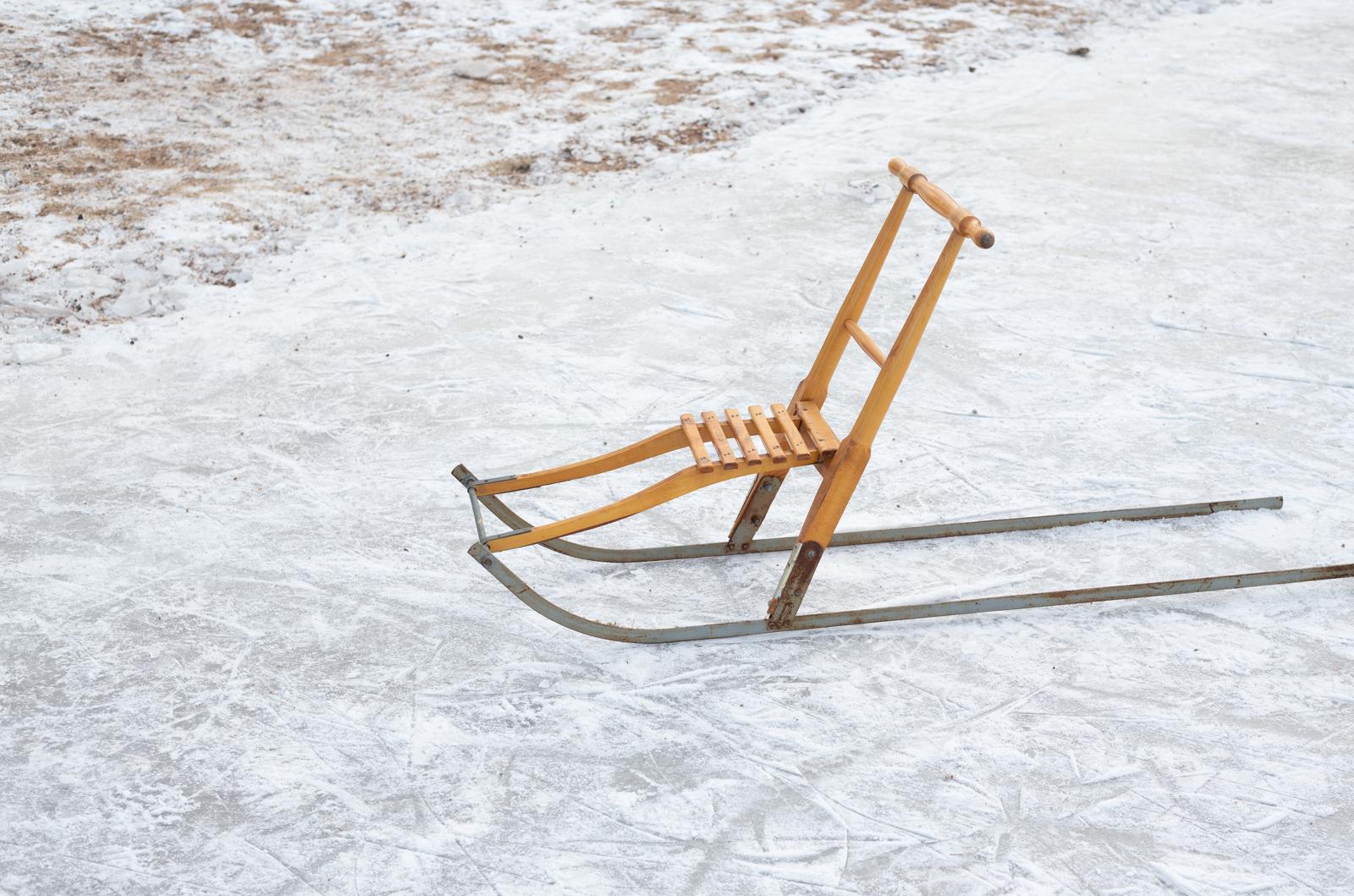
Sledge hockey, also known as para ice hockey, is a sport that mirrors its able-bodied counterpart – ice hockey – with the most significant difference being the equipment used by the players. It is a fast-paced, highly physical, and strategic game that has gained popularity across the world, particularly within the parasport community. The sport provides an inclusive and competitive environment for individuals with physical disabilities to engage in ice hockey. In this article, we will delve into the world of sledge hockey, exploring its origins, the equipment used, the rules of the game, and how it has become a paralympic sport beloved by many.
Understanding Sledge Hockey
Sledge hockey was invented in the early 1960s at a rehabilitation center in Stockholm, Sweden. The sport was designed to allow participants who have a physical disability to play ice hockey. Sledge hockey is played by a wide range of individuals with disabilities, such as amputees, and those with spinal cord injuries or other conditions that affect their lower limbs. It is a team sport that promotes not only physical fitness but also camaraderie, competition, and equality.
The sport quickly spread to other countries, and by 1994, it was introduced into the Paralympic Games. Since then, it has grown in popularity, with teams and leagues established across North America, Europe, Asia, and beyond.
Equipment and Playing Surface
One of the most distinctive aspects of sledge hockey is the equipment. Instead of skates, players sit on specially designed sledges that have two hockey skate blades mounted under the seat. This arrangement allows the puck to pass beneath the sledge, a fundamental aspect of the game. Players use two sticks, which are shorter than traditional hockey sticks. Each stick has a spike-end for propulsion and a blade-end for handling the puck.
These sledges are highly customizable to fit each athlete’s body and preferences, including the height of the seat from the ice, the spacing of the blades, and the configuration of the support straps. Additionally, all players are required to wear protective gear, including helmets with full face masks, shoulder and elbow pads, shin guards, gloves, and sometimes padded pants.
The playing surface for sledge hockey is the same ice rink used for traditional ice hockey, with the same markings. The goals are also the same dimensions as in able-bodied hockey, ensuring that the essence of the sport remains intact.
Rules of the Game
The rules of sledge hockey closely resemble those of able-bodied ice hockey, with a few adaptations to accommodate the sledges. The game is played over three 15-minute periods with an intermission between each period. As in regular hockey, the object of the game is to score more goals than the opposing team by shooting a rubber puck into the opponent’s net.
Teams consist of six players each – five skaters and one goaltender. Body checking is allowed, but because players are seated, checks are carried out using the body and shoulders rather than the hips. Penalties for infractions like slashing, tripping, and roughing are enforced, with the offending player spending time in the penalty box.
Face-offs are a part of the game, used to start play at the beginning of periods and after stoppages. Icing and offside rules are also in effect, ensuring the flow of the game remains dynamic and fair.
The Role of Teamwork and Strategy
Like its able-bodied counterpart, sledge hockey places significant emphasis on teamwork and strategy. Players must work together, utilizing their strengths and covering each other’s weaknesses. Positioning is crucial, and due to the nature of the sledge movement, players must anticipate play development well in advance.
Coaches and players often develop specific strategies for sledge hockey, taking into account factors such as the speed of the sledges and the unique ways in which players can maneuver on the ice. Teams train rigorously to perfect their plays, improve their puck handling, passing, and shooting skills, and to enhance their overall physical conditioning.
Sledge hockey requires not only physical prowess but also mental acuity. Players must be able to make split-second decisions and maintain focus throughout the game. The strategic elements make sledge hockey a captivating sport to watch and an exhilarating one to play.
The Growth of Sledge Hockey
Since its inclusion in the Paralympics, sledge hockey has seen a remarkable increase in popularity and participation. Various national and international competitions are held regularly, showcasing the high skill level and competitive nature of the sport. The Paralympic Games, in particular, have served as a global platform for sledge hockey, bringing it to the attention of millions of viewers worldwide.
Programs aimed at youth and adults have emerged, providing opportunities for individuals with disabilities to get involved in the sport. These programs not only help to develop future athletes but also foster a sense of community and encourage a healthy, active lifestyle.
Sledge hockey has transcended being merely a sport for those with disabilities. It has become a symbol of determination, inclusivity, and the universal love of the game of hockey. Whether you are a player, a coach, a fan, or someone interested in getting involved in parasports, sledge hockey offers an exciting and fulfilling experience for all.
