
Touch Football: Dive into the Thrills of Non-Contact Gridiron Action
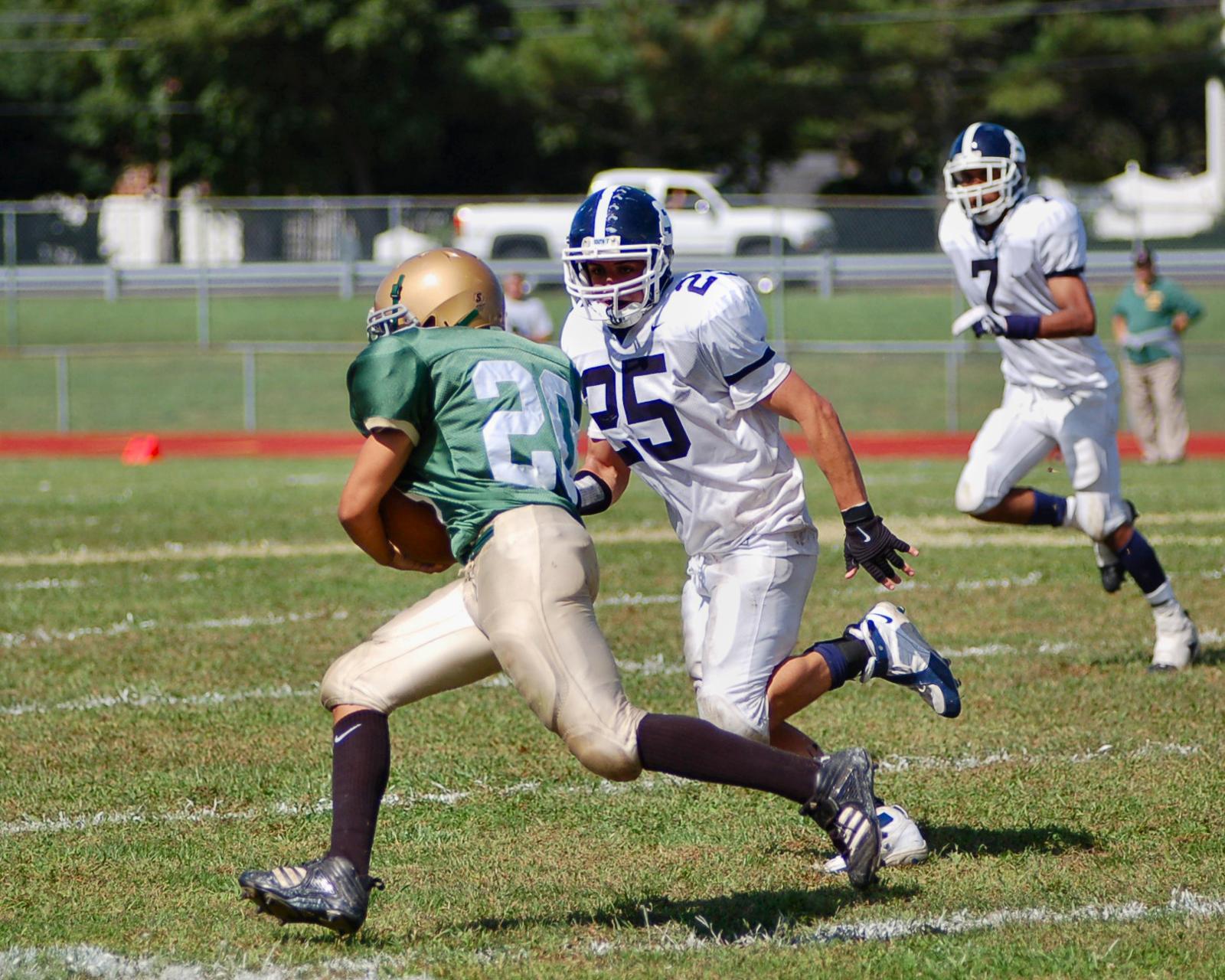
Touch football is a sport that has been embraced by a wide variety of fitness enthusiasts, families, and competitive athletes for its exciting blend of speed, strategy, and non-contact play. This thrilling game originally evolved as a training method for rugby and American football players, designed to refine the skills of passing and evasion without the physical intensity of tackling. Today, touch football stands on its own as a popular sport, combining elements from its roots in traditional football with a more inclusive, safer approach that appeals to a broader audience.
Understanding touch football
To the uninitiated, touch football might sound like a casual backyard pastime, but it’s actually a well-structured, competitive sport with formalized rules and leagues across the world. The basic premise is simple: instead of bringing an opponent to the ground, a touch – a contact as slight as a tap by the defending team – stops the play. This key difference opens the sport to men and women of all ages and skill levels, significantly reducing the risk of injury common in contact sports.
In touch football, teams consist of six players each, though variations in player count can occur in informal settings. The field is generally 70 meters long and 50 meters wide, marking a smaller, more accessible playing area than traditional rugby or football fields. The game is played over two halves, with durations varying by league but typically lasting around 20 minutes each. The objective remains consistent with many football codes: to score points by getting the ball into the opponents’ end zone, called a touchdown in touch football.
Rules and gameplay
The rules of touch football emphasize speed, agility, and teamwork. Each team has six ‘touches’ to try and score before possession is handed over to the opposing team. If the ball is dropped or a player commits a violation, such as passing the ball forward or stepping out of bounds, possession is also surrendered. The lack of scrums and lineouts from traditional rugby ensures that the game has a faster pace and a more continuous flow.
Players must master the art of the ‘dummy pass’, feints, and rapid changes in direction to outmaneuver defenders. The defensive team, meanwhile, must coordinate to contain the offense and force errors or use all six touches. Due to the non-contact nature of the game, touch football places a greater emphasis on spatial awareness and strategic planning than its full-contact counterparts.
Equipment and attire
One of the attractions of touch football is the minimal equipment required to play. The game can be enjoyed with just a regulation touch football, which is similar to a traditional rugby ball but often smaller and lighter to facilitate easier handling and passing. Players typically wear comfortable, sport-appropriate attire such as shorts, t-shirts, and athletic shoes with good grip. Professional or organized leagues may require matching team jerseys, and some players may opt for light gloves to improve grip or compression clothing to support muscles during the fast-paced action.
Touch football is also played with distinctive marker cones to outline the boundaries of the playing field and the end zones. These simple requirements make touch football accessible and easy to organize, whether it’s a casual game in the park or a competitive match on a dedicated field.
Benefits and appeal
The non-contact nature of touch football makes it a favorite for those looking to engage in a team sport without the physical toll associated with tackle football. It serves as an outstanding cardiovascular workout, with players constantly running, dodging, and weaving at high speeds. Furthermore, it encourages the development of hand-eye coordination, reflexes, and strategic thinking.
The inclusivity of touch football is another major draw. Men and women can play on the same team, and it’s common for youth and adult leagues to coexist within the same organizations. This co-ed aspect promotes a social atmosphere, making touch football not just a sport but a community activity that fosters connections between individuals from diverse backgrounds.
Touch football’s adaptability to different fitness levels and its emphasis on skill over brute force also make it ideal for schools and community groups. It teaches children and newcomers to the sport about teamwork, communication, and the fundamentals of ball handling and field positioning without intimidation.
The continued growth of touch football
Touch football’s popularity has grown significantly over the years, with numerous leagues and competitions established around the globe. National governing bodies, such as Touch Football Australia and Touch Football England, oversee the sport’s development, including grassroots programs and international competition. Touch football tournaments, including the Touch Football World Cup, showcase the highest levels of skill and competition, drawing teams from across the world to compete.
This global presence underscores touch football’s rising status as a sport that holds its own against more traditional, contact-heavy football codes. Its growth is a testament to the desire for competitive, engaging team sports that prioritize safety and inclusivity. Whether played casually in a local park or fiercely on an international stage, touch football continues to capture the hearts and minds of players and spectators alike. With each pass and touchdown, the sport writes a new chapter in its dynamic history, inviting everyone to take part in the excitement.
