
What to See in Lecce? Discover the Baroque Masterpieces of Italy’s Southern Gem
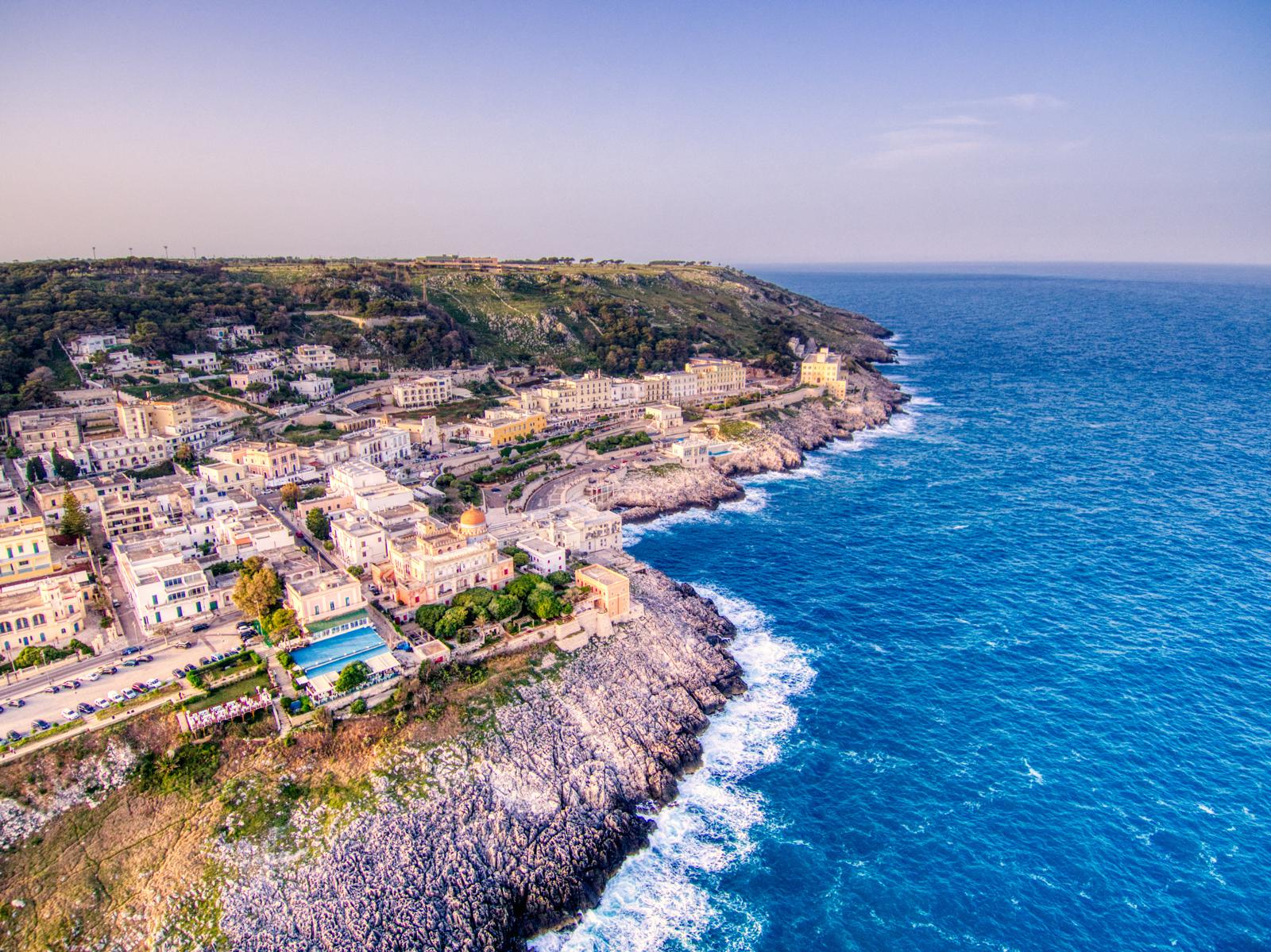
Nestled in the heart of Italy’s southern region of Puglia lies Lecce, a city rich with history and culture, often referred to as the “Florence of the South” due to its abundance of Baroque architecture. This stunning city is a treasure trove of art, gastronomy, and traditional crafts. It’s perfect for travelers looking to immerse themselves in a deep cultural experience while avoiding the well-trodden paths of Italy’s more frequented tourist destinations. In this article, we’ll explore Lecce’s most captivating sights and delve into the beauty that makes it a must-visit city.
Historic heart of Lecce
As you wander through the winding cobblestone streets of Lecce, you’ll be transported back in time. The city’s historic center is enclosed within ancient walls that have witnessed centuries of history. At the core of Lecce’s allure is its Baroque architecture, characterized by intricate stonework and ornate facades. The local limestone, known as “pietra leccese,” is easily worked and has enabled the creation of the elaborate designs that adorn the city’s structures.
The Duomo, or Cathedral, is a focal point of the city. Its tall bell tower can be seen from various vantage points throughout Lecce. The square that surrounds the Duomo is unique in that it is closed on three sides, offering a sense of intimacy uncommon in Italian piazzas. Another architectural masterpiece is the Basilica di Santa Croce, a wildly ornate church that is often considered the epitome of Lecce’s Baroque splendor. Its facade, decorated with cherubs, monsters, and beasts, is a testament to the imaginative and skilled artisans of the city.
Roman remnants and theaters
Lecce is not only a Baroque jewel but also a city with deep Roman roots. The Roman Amphitheater, now partially unearthed in the city’s main square, Piazza Sant’Oronzo, offers a window to Lecce’s ancient past. Although much of the original structure remains hidden beneath modern buildings, what is visible suggests the grandeur that once was. The amphitheater could hold more than 25,000 spectators in its heyday, a sign of the importance of Lecce in Roman times.
Not far from the amphitheater is the Roman Theater, a smaller venue that hosts cultural events to this day. This theater, though less grand than the amphitheater, provides a more intimate setting and continues to be a place where locals and visitors alike can enjoy performances, echoing the cultural life of the city 2,000 years ago.
Centers of culture and learning
Aside from its historical and architectural significance, Lecce is also a center of learning and culture in Puglia. The University of Lecce, known as Università del Salento, attracts students and academics from across the globe, contributing to the city’s lively atmosphere and cultural events. The presence of the university ensures that Lecce remains a hub of contemporary thought and innovation, bridging the ancient and the modern.
For those interested in the fine arts, the Museo Faggiano provides a unique experience. This private museum, located in a historic building, showcases artifacts uncovered during the renovation of the property. The collection spans thousands of years of history, from the Messapian civilization through the Middle Ages to the modern era. It’s a testament to the layers of history that lie just beneath the surface of Lecce.
Local crafts and cuisine
Lecce is not only about its past; it’s also very much alive with vibrant traditions, particularly in local crafts and cuisine. The craftsmanship of papier-mâché is a unique art form deeply rooted in the city’s culture. Visitors can admire intricate figurines and religious statues in local shops and perhaps even witness artisans at work in their studios. These creations are not mere souvenirs but pieces of Lecce’s living artistic heritage.
The culinary scene in Lecce offers an array of traditional dishes, with a focus on fresh, locally-sourced ingredients. Puglia is known for its olive oil, and Lecce is no exception. Dishes here are often drizzled with golden oil that has been cultivated in the region for centuries. From the rustic simplicity of “ciceri e tria” (a chickpea and pasta dish) to the indulgence of “pasticciotto leccese” (a sweet pastry filled with custard), the flavors of Lecce are sure to delight the palate.
In conclusion, Lecce is a city that captivates both the eye and the soul. Its rich tapestry of history, art, and tradition makes it an essential destination for anyone venturing to Italy’s southern region. Whether you come for the Baroque splendor, Roman history, academic pursuits, local crafts, or delicious cuisine, Lecce offers a plethora of experiences waiting to be discovered. It is a city where the past and present coalesce, creating a vibrant cultural landscape that is as welcoming as it is fascinating.
