
What to See in Luxembourg: Unveiling the Grand Duchy’s Hidden Gems
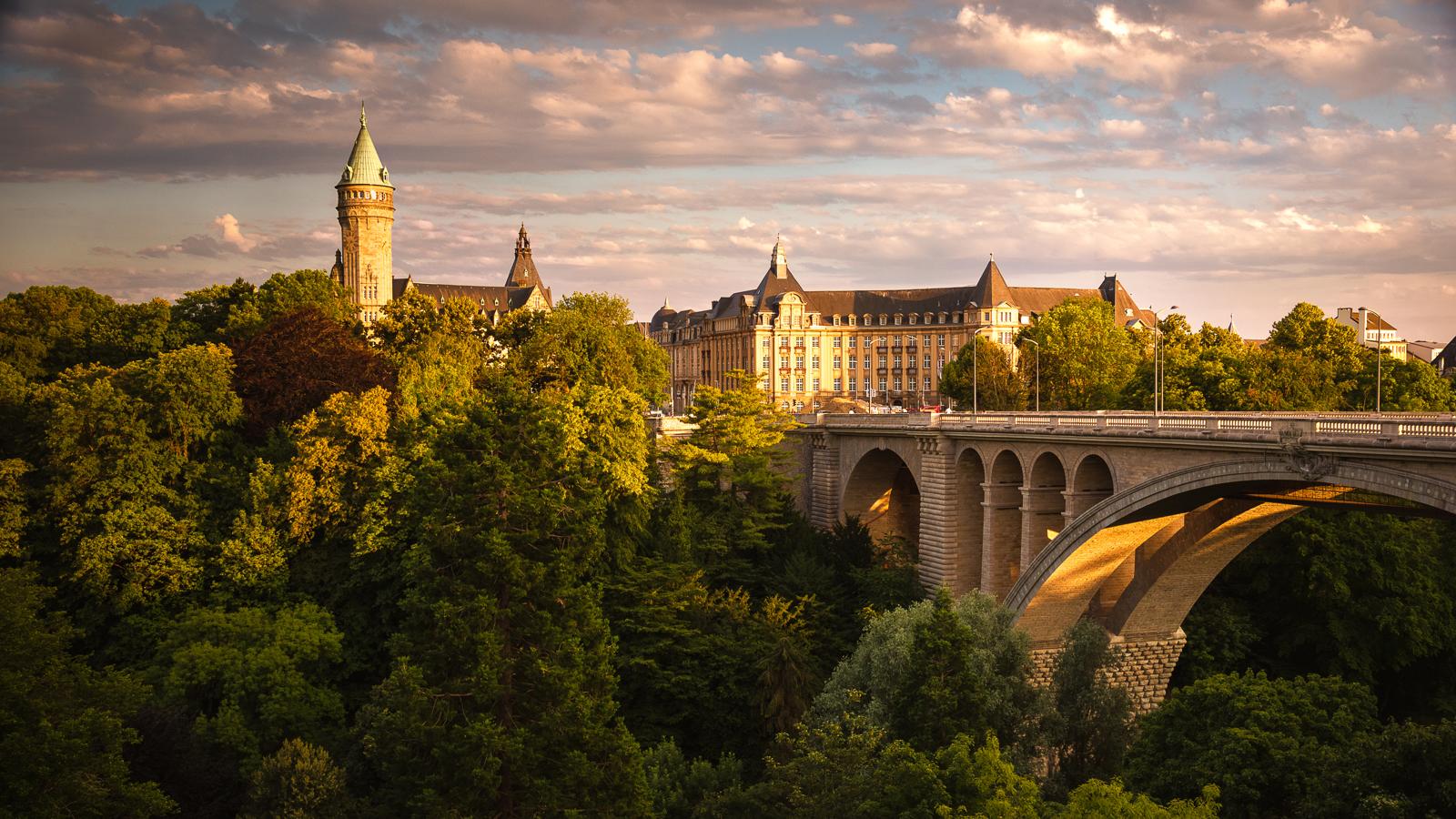
Nestled in the heart of Europe, Luxembourg is a captivating country that boasts an intriguing blend of history, culture, and natural beauty. Despite its small size, Luxembourg is packed with a plethora of sights and experiences that can enchant visitors from all walks of life. From its UNESCO-listed capital to its rolling countryside, Luxembourg seamlessly combines the charm of medieval Europe with contemporary elegance.
Exploring the Old Quarters and Fortifications of Luxembourg City
Luxembourg City, the capital, is a vibrant urban center that offers a unique mix of modernity and historic charm. The city’s old quarters and fortifications have been designated a UNESCO World Heritage site, and for a good reason. Visitors can stroll through the cobbled streets of the old town, admiring the grand ducal palace, which is the official residence of the Grand Duke of Luxembourg. This palace is a fine example of Renaissance architecture and is especially captivating when the ceremonial Changing of the Guard takes place.
The Bock and the Casemates are other must-see historical sites in the city. The Bock is a natural fortification and the cradle of the city, while the Casemates are a network of underground tunnels carved out of the rock that once served as a fortress during wartime. These tunnels offer an underground adventure and provide spectacular viewpoints overlooking the lower city, the Grund, and the Alzette River.
Walking through the Wenzel Walk is another way to discover the city’s history. This circular trail takes visitors through the ancient ramparts, revealing panoramic views and leading to the lower town, where cozy cafes and picturesque buildings line the riverbank.
The Charm of Luxembourg’s Castles and Countryside
Beyond the capital lies a countryside dotted with medieval castles and fortresses, each with its own story to tell. One of the most famous is Vianden Castle, a stunning example of feudal residence from the Romanesque and Gothic periods. Perched on a hill overlooking the town of Vianden and the Our River, this restored castle is now a museum that allows visitors to step back in time and explore the grandeur of medieval life.
Another enchanting spot is the Valley of the Seven Castles, which is exactly what it sounds like—a valley featuring seven beautiful castles spread over a 24-kilometer stretch. The castles of Koerich, Ansembourg and Hollenfels are just a few that create this picturesque landscape, each with distinct architectural styles and histories.
Luxembourg’s countryside also offers numerous hiking and cycling trails for nature enthusiasts. The Mullerthal Region, often referred to as Luxembourg’s Little Switzerland, is a hiker’s paradise with its dense forests, rocky formations, and cascading waterfalls, making it one of Luxembourg’s outdoor highlights.
Culture, Art, and Cuisine in the Heart of Europe
Luxembourg’s cultural scene is as diverse as its population. With a mix of influences from neighboring France, Germany, and Belgium, the country has cultivated a unique identity that is reflected in its arts and culture. The Philharmonie Luxembourg is a modern concert hall that hosts a wide range of musical performances, from classical to contemporary. Meanwhile, art lovers can visit the Grand Duke Jean Museum of Modern Art (MUDAM), which showcases modern and contemporary art in an impressive building designed by the renowned architect I.M. Pei.
Luxembourg’s culinary offerings are equally diverse, blending local traditions with international flavors. Traditional Luxembourgish cuisine includes dishes like “Judd mat Gaardebounen,” a smoked pork collar with broad beans, and “Gromperekichelcher,” crispy potato cakes typically found at local markets and festivals. The country also offers an impressive selection of Michelin-starred restaurants that serve international cuisine, making it a destination for foodies.
Festivals and Events in Luxembourg
Luxembourg is a country that loves to celebrate, and throughout the year, various festivals and events showcase the nation’s heritage and contemporary culture. One of the most significant is the National Day on June 23, which commemorates the Grand Duke’s official birthday with fireworks, parades, and concerts.
Another notable event is the Schueberfouer, Luxembourg’s largest funfair, which takes place at the end of summer. It attracts visitors with its exciting rides, traditional games, and local delicacies. The Printemps Musical festival, which spans several months, features jazz and classical concerts at venues across the country, highlighting Luxembourg’s vibrant music scene.
Whether you are interested in delving into the rich tapestry of history, embracing the natural landscapes, indulging in the culinary delights, or immersing yourself in cultural festivities, Luxembourg offers a treasure trove of experiences to discover. This small European gem is a testament to the fact that size does not define the wealth of wonders a country can offer. So when planning your next European adventure, consider putting Luxembourg on your itinerary and let this small nation leave a big impression on your heart.
