
Bike Polo: The Thrilling Fusion of Cycling and Classic Sport
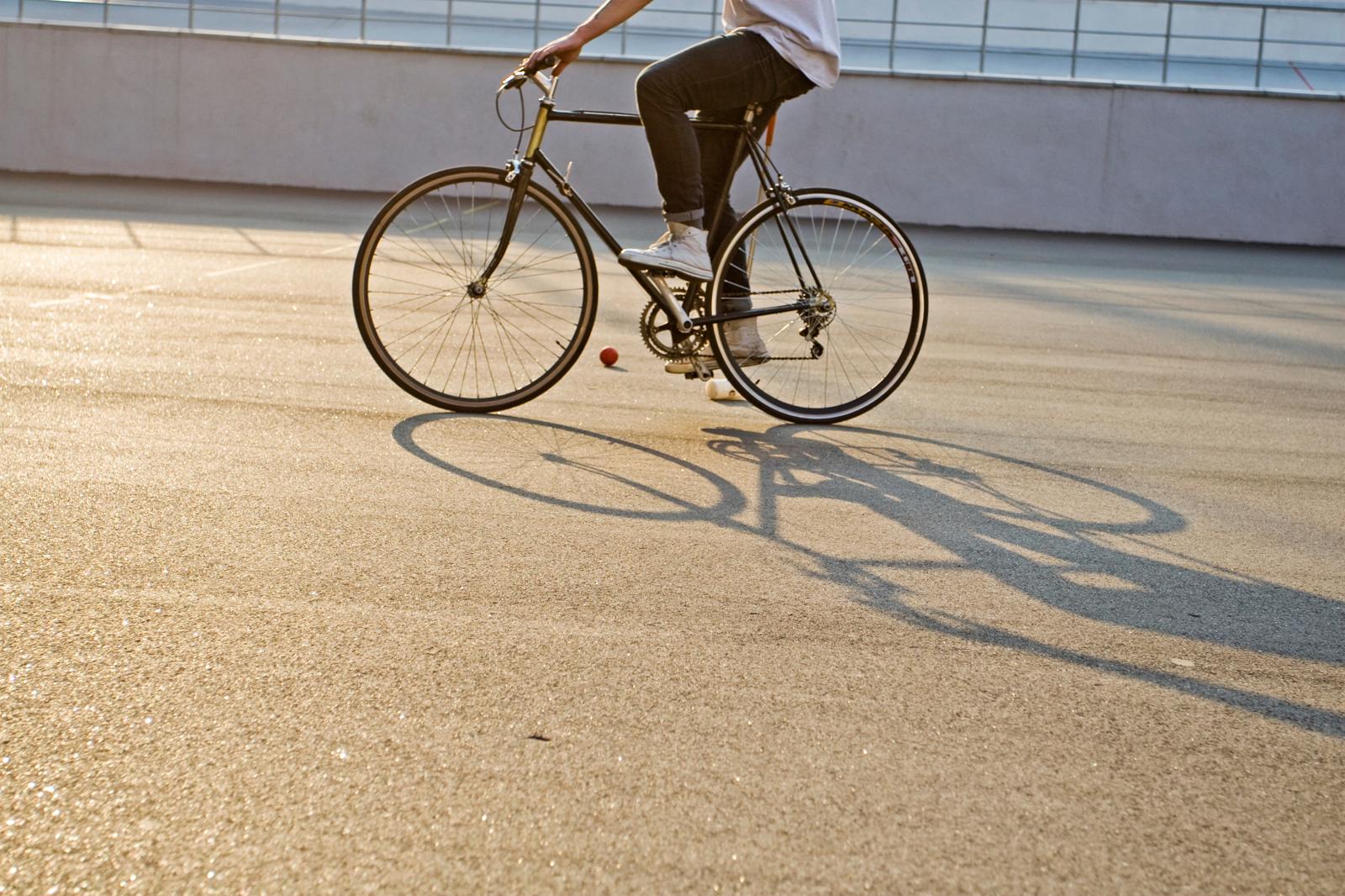
Bike polo, a sport that merges the traditional game of polo with the urban versatility of cycling, has been gaining traction in recent years as an exciting, fast-paced athletic endeavor. Unlike its equestrian counterpart, bike polo requires less space and can be played in a variety of urban settings, making it an accessible and appealing option for city dwellers craving the thrill of team sports. In this article, we’ll delve into the world of bike polo, uncovering the basics of the game, the skills needed to play, and the community that surrounds it.
Understanding Bike Polo
Bike polo is, at its core, a team sport that involves players riding bicycles and wielding mallets with the aim of hitting a ball into a goal. Originally inspired by traditional horse polo, the game has evolved to suit its modern environment. Typically, bike polo is played on hard surfaces, such as basketball courts or paved areas designed specifically for the sport. The standard game includes two teams, each typically consisting of three players, although variations exist with larger team sizes.
The equipment required for bike polo includes a sturdy, maneuverable bicycle, a polo mallet, a ball, and protective gear like helmets and gloves. The bikes used are often fixed-gear bicycles, which provide greater control and quick stopping ability—crucial factors when maneuvering in a fast-paced game. The mallets, usually made of a lightweight material such as plastic or bamboo, are used to manipulate the ball with precision and skill.
The rules of bike polo are straightforward but require a good degree of discipline to follow. Contact between players is allowed to some extent, but is governed by strict regulations to ensure safety and fair play. The game is typically broken down into timed periods, with the team scoring the most goals by the end declared the winner.
Skills and Strategies
Playing bike polo requires a unique blend of physical and strategic skills. Players must have excellent bike handling abilities, including the skills to ride with one hand while wielding the mallet with the other. Coordination and balance are essential, as is the ability to make quick turns and sudden stops.
Offensively, players need to be adept at dribbling, passing, and shooting the ball. Like in many team sports, strategic positioning and teamwork are crucial components of successful gameplay. Defensively, blocking shots and intercepting passes become the key focus, with goalkeeping duties typically rotating among team members rather than being assigned to a specific player.
Training for bike polo often involves not only practicing skills specific to the sport but also general cycling proficiency and fitness. Endurance and speed can greatly benefit a player’s game, making regular cycling workouts an integral part of a bike polo player’s routine.
The Bike Polo Community
One of the most compelling aspects of bike polo is the community that has developed around it. This sport has a grassroots feel, often supported by a passionate group of players who organize matches, tournaments, and social events. The community ethos centers around inclusivity, with players of all skill levels encouraged to join.
The social aspect of bike polo is significant, with local clubs often hosting regular “pick-up” games that are open to anyone interested in playing or learning about the sport. These gatherings are not just about competition but also about building friendships and sharing a love for cycling and sport.
Tournaments and competitions serve to bring the wider bike polo community together, crossing city and sometimes even national boundaries. These events are not only about crowning champions but also about celebrating the sport’s culture and the bonds among its players. Merchandise such as custom mallets, unique jerseys, and bike accessories also contribute to the sense of identity within the community.
The Accessibility of Bike Polo
One of the key advantages of bike polo is its accessibility. Unlike traditional polo, which requires horses and large fields, bike polo can be played in a much smaller area and without the need for expensive equipment. This makes the sport particularly appealing in urban areas, where space is limited and the cycling culture is prominent.
Moreover, bike polo can be adapted to suit available spaces, such as repurposing underused tennis courts or vacant lots. The DIY spirit often associated with the sport means that players and organizers are adept at creating playable spaces in unconventional areas.
The relatively low cost of entry—since many players start with their everyday bicycles and minimal gear—also contributes to the sport’s appeal. This accessibility has helped bike polo spread to cities around the world, fostering a global community connected by a shared passion for this dynamic sport.
In conclusion, bike polo is a thrilling and inclusive sport that combines the physical demands of cycling with the strategic gameplay of traditional polo. Its accessibility and the sense of community among players make it an engaging activity for those looking for an alternative team sport. Whether participating in local pick-up games or competing in international tournaments, bike polo offers an exciting way to engage in physical activity, develop cycling skills, and be part of a vibrant and welcoming community.
