
Snorkeling Sensations: Dive into the World’s Most Exhilarating Underwater Adventures
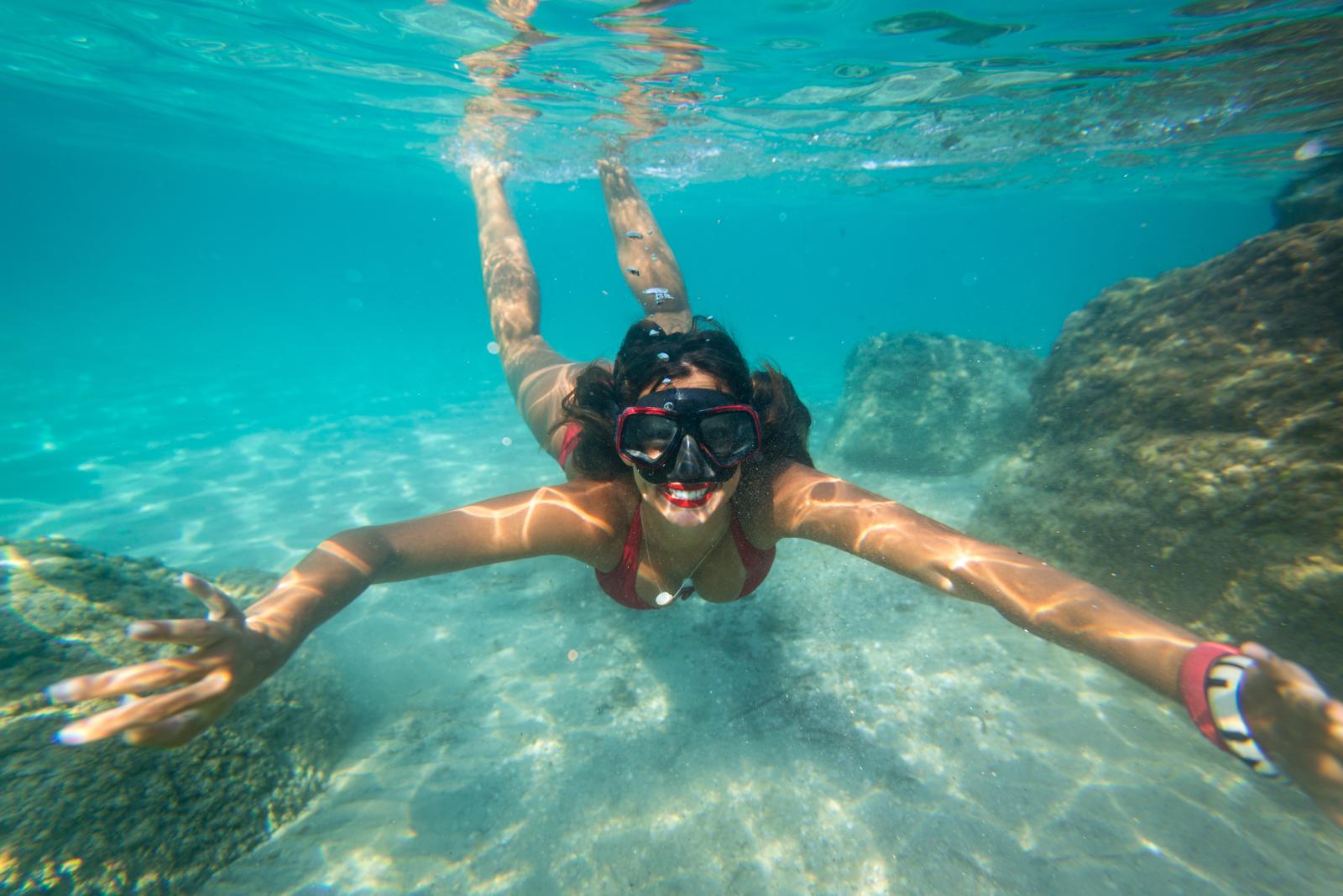
Snorkeling is an aquatic activity that has captivated the hearts of millions around the world. It’s a simple, yet profound way to explore the underwater world without the extensive training and equipment required for scuba diving. Snorkeling allows individuals to observe the colorful and diverse ecosystems that thrive beneath the water’s surface, providing a unique opportunity to connect with nature in an almost ethereal manner. Ideal for people of all ages and skill levels, snorkeling can be enjoyed in shallow reefs, alongside bustling marine life, or even in the depths of the open ocean where larger creatures roam. This article aims to dive into the essentials of snorkeling, offering insights and tips to help even the most novice snorkeler enjoy this mesmerizing activity.
Understanding the basics of snorkeling
Before taking the plunge, it’s important to grasp the basic components and techniques of snorkeling. The gear typically includes a mask, a snorkel, and fins. The mask should fit snugly around the face, creating a seal to prevent water from entering, while allowing clear vision underwater. The snorkel is a tube that enables breathing with the face submerged, and it often comes with a mouthpiece and a mechanism to prevent water from entering. Fins are worn on the feet to aid in swimming efficiently and with less effort.
It’s also crucial to learn proper breathing techniques through the snorkel. It requires breathing slowly and deeply through the mouth, which can feel unnatural at first but is essential for a relaxed and enjoyable snorkeling experience. Additionally, being aware of one’s surroundings, maintaining safe distances from coral and marine life, and understanding the local current and tide conditions are all important for safe snorkeling practices.
Selecting the perfect snorkeling destination
The beauty of snorkeling lies in its versatility – it can be done in a variety of aquatic environments. However, choosing the perfect destination can greatly enhance the experience. Tropical locations with clear, warm waters and vibrant coral reefs are often considered the pinnacle of snorkeling spots. These conditions allow for maximum visibility and an abundance of marine life. Locations such as the Great Barrier Reef in Australia, the Maldives, and the Caribbean islands are renowned for their exceptional snorkeling opportunities.
For those who don’t have access to tropical climates, many temperate regions also offer unique snorkeling experiences. Kelp forests and rocky shores can host an entirely different, yet equally fascinating, set of marine flora and fauna. Always research the best times of year to visit, as water clarity and wildlife activity can vary seasonally.
Conservation and responsible snorkeling
As snorkelers glide over coral gardens and among schools of fish, it’s vital to remember that they are guests in a delicate ecosystem. Responsible snorkeling practices are not only about personal safety but also about the preservation of the marine environment. Touching corals, chasing wildlife, or taking souvenirs from the sea bed can cause irreversible damage to these fragile habitats.
Snorkelers can contribute to conservation efforts by choosing eco-friendly tour operators, using reef-safe sunscreen, and participating in citizen science projects that monitor and protect marine life. Education about the local ecosystem and its inhabitants also fosters a deeper appreciation and a more responsible approach toward interaction with the underwater world.
Tips for a fulfilling snorkeling experience
For those preparing for a snorkeling adventure, a few tips can ensure a more enjoyable and fulfilling experience. First and foremost, comfort with swimming and floating is key. While snorkeling doesn’t require the same stamina as other water sports, being able to relax in the water significantly enhances the experience. Practicing in a pool or calm, shallow water can help build confidence before heading out to deeper areas.
It’s also important to invest in or rent good-quality equipment that fits well. Ill-fitting gear can lead to discomfort and even safety issues while in the water. Many local dive shops offer equipment rentals and can provide expert advice on choosing the right gear.
Lastly, never underestimate the value of going with a buddy or a guided group, especially in unfamiliar waters. Not only does this add a layer of safety, but sharing the underwater wonders with someone else can double the joy of the experience. Guides can often point out hidden or camouflaged creatures that a novice snorkeler might miss and can offer fascinating insights into the local marine ecosystem.
In conclusion, snorkeling is an accessible and rewarding way to explore the marvels of the ocean. By understanding the basics, choosing the right destination, practicing conservation, and following helpful tips, anyone can embark on an unforgettable underwater journey. Whether it’s the first dip beneath the surface or the hundredth, the world of snorkeling always has something new and awe-inspiring to reveal.
