
Equestrian Showjumping: Leaping into Olympic Glory
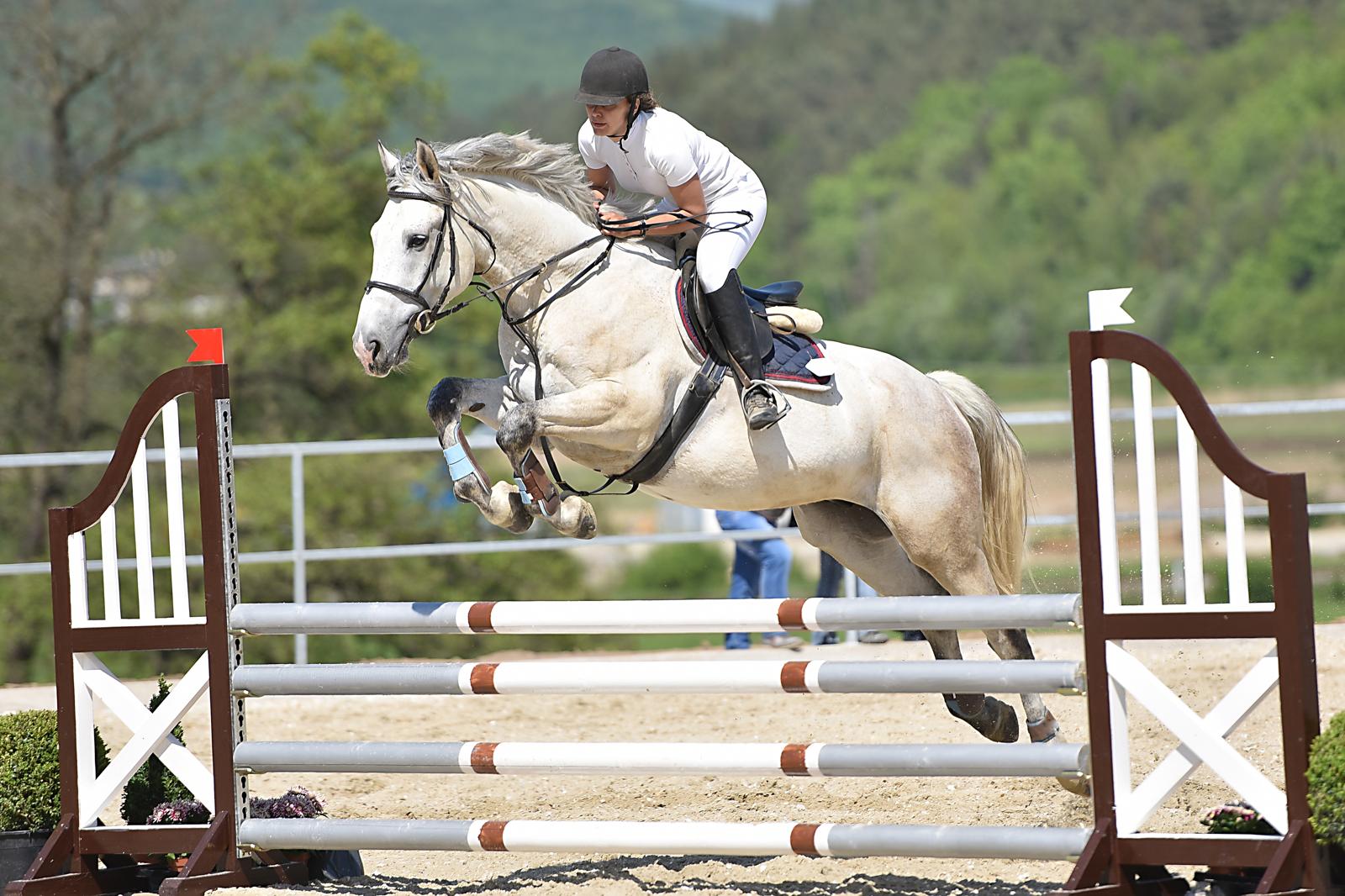
Horseback riding is an activity that has captured the imagination and passion of people for centuries. It’s a sport that requires not just physical strength and agility but also a deep connection between the rider and their equine partner. Among the various disciplines in horseback riding, show jumping, or “salto” as it is also referred to, particularly stands out for its combination of finesse, strategy, and excitement. In this article, we will delve into the world of show jumping, exploring what makes it such a thrilling sport for both participants and spectators alike.
Understanding show jumping
Show jumping is a competition where horse and rider work together to navigate a course of obstacles within a set time. The obstacles, which can include verticals, spreads, and double and triple combinations, are designed to test the precision, agility, and training of the horse, as well as the skill of the rider. Each course is unique and can vary in the number of obstacles, the height and width of the jumps, and the complexity of the layout.
One of the key aspects of show jumping is the scoring system. The main goal is to complete the course with the fewest faults. Faults are given for knockdowns, where a horse touches and dislodges an element of the jump, for refusals, where a horse stops before a jump or veers away, and for exceeding the time allowed. In certain events, there may also be a jump-off, a tie-breaking round where the fastest, fault-free rider wins.
The rider’s role in show jumping
A successful show jumping rider must have a blend of several qualities: a deep understanding of their horse, impeccable timing, and the ability to make quick, strategic decisions. The rider must know how to communicate effectively with their horse through subtle cues using their legs, hands, seat, and voice. This communication is critical, as it can influence the horse’s speed, direction, and even the height at which it jumps.
Riders also need to have an excellent sense of rhythm and balance to maintain a steady pace throughout the course and to ensure they approach each jump at the right angle and speed. The approach to a jump is called the “line,” and choosing the correct line can be the difference between a clear round and accruing faults. Riders must also have a keen eye for distances, as misjudging the space between jumps can lead to refusals or knockdowns.
The horse’s role in show jumping
While a rider’s skill is crucial, an equally important aspect of show jumping is the horse itself. Not all horses are suited for the rigors of show jumping; it requires a special breed of equine athlete. These horses must possess a combination of power, agility, bravery, and intelligence. They must be able to propel themselves and their riders over large obstacles and quickly recover to tackle the next challenge.
Training for show jumping horses focuses on developing these qualities. It involves a regimen of flatwork, which builds stamina and flexibility, and jumping exercises, which improve technique and confidence. The bond between the horse and rider is developed through countless hours of training, which not only prepares the horse physically but also mentally, ensuring they trust their rider and can handle the pressure of competition.
The spectacle of show jumping
Show jumping is not just a sport; it’s a spectacle. The energy of the crowd, the elegance of the horses, and the nail-biting moments of the competition come together to create an enthralling experience. The visual aspect is also striking, with courses designed to be colorful and challenging, providing a beautiful backdrop for the athleticism of horse and rider.
One of the reasons show jumping is so popular with spectators is that it’s easy to understand—the goal is to jump all the obstacles without faults in the fastest time. This simplicity makes it accessible to those who may not be familiar with equestrian sports, while the intricacies of strategy and skill keep seasoned enthusiasts engaged.
Moreover, show jumping events often take place in prestigious venues, from historic showgrounds to modern equestrian centers, adding to the allure of the sport. Whether it’s a local competition or an international championship, show jumping has a way of bringing people together to appreciate the beauty and excitement of this timeless equestrian discipline.
