
Paddle Tennis: Smash Your Way to Fun and Fitness with the Latest Racket Sport Craze
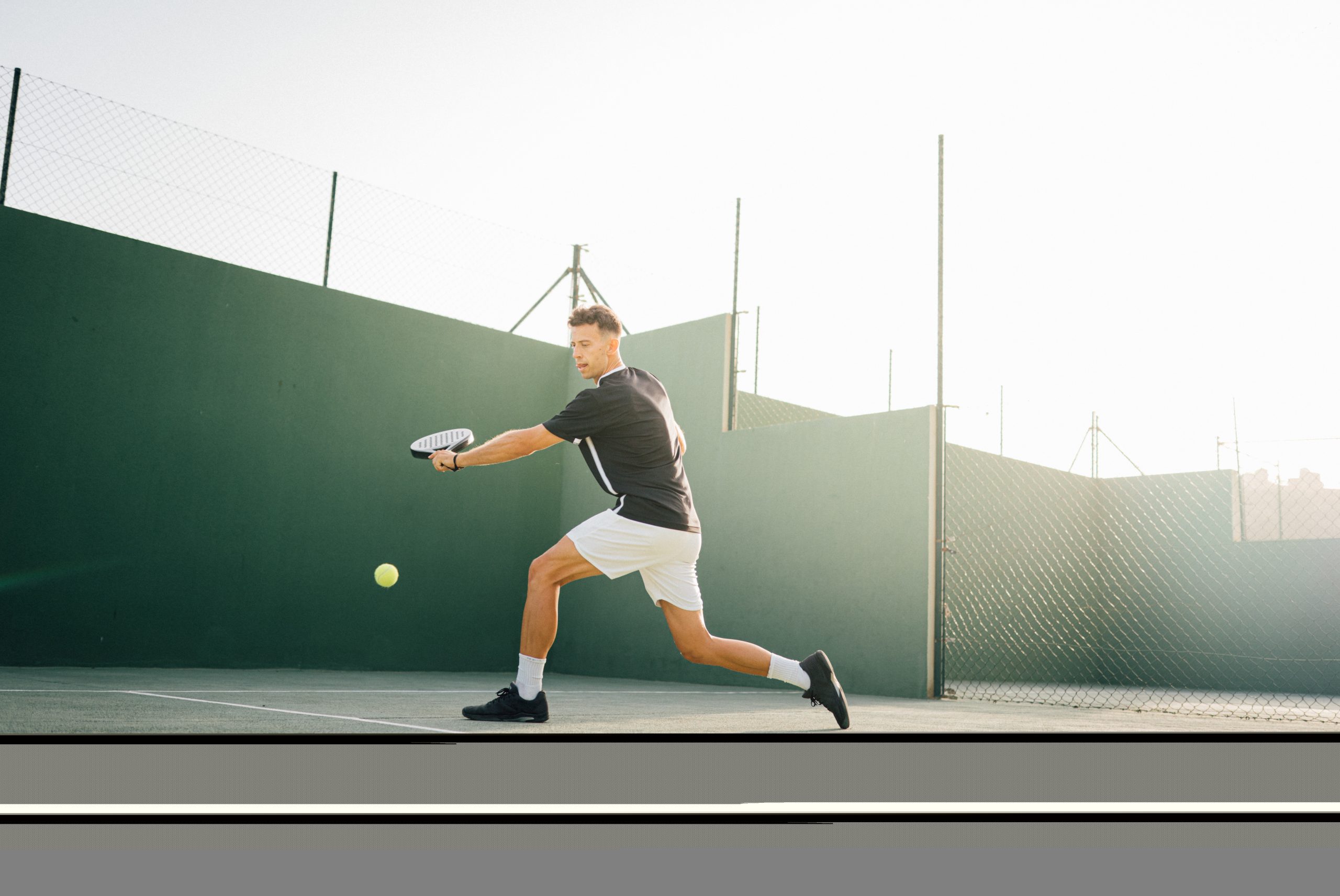
Paddle tennis is a game that has captured the hearts of sports enthusiasts around the world. With its thrilling blend of tennis, squash, and racquetball elements, it provides a unique and exciting way to stay active and enjoy competitive play. This sport, although it has similarities to traditional tennis, has its own set of rules, equipment, and playing style. Whether you are a seasoned tennis player looking for a new challenge, or someone seeking a fun and engaging way to exercise, paddle tennis offers something for everyone. In this article, we will delve into the basics of paddle tennis, explore the equipment used, the rules of the game, and some strategies to improve your play.
Understanding the game
Paddle tennis is played on a court that is smaller than a conventional tennis court, with dimensions of 20 by 50 feet for singles, and 20 by 60 feet for doubles. The net height is also lower, standing at 31 inches, which is conducive to a fast-paced game that emphasizes quick reflexes and strategy. Unlike tennis, the court has walls similar to those used in squash, which means that the ball can be played off them, adding another layer to the game’s tactics.
The game can be played in singles or doubles and is suitable for players of all ages and skill levels. One of the main attractions of paddle tennis is its accessibility. The smaller court size and the fact that the ball can be played off the walls reduce the amount of running required, making it less physically demanding than traditional tennis. This allows for longer rallies and more strategic play, which can be both exciting and mentally stimulating.
Equipment essentials
To play paddle tennis, specific equipment is required that differs from traditional tennis gear. The paddle, which is solid without strings, is made of a composite material such as graphite or titanium and has a perforated surface to reduce air resistance. It is shorter than a tennis racquet, which gives players better control but less reach. The ball used in paddle tennis is a depressurized tennis ball, which doesn’t bounce as high and slows the pace of the game, again emphasizing strategy and skill over power and speed.
Players also typically wear shoes designed for tennis or similar sports, with good lateral support to handle the quick changes in direction that are common in the game. Clothing is usually similar to what one might wear for tennis or any other active sport: comfortable, breathable, and non-restricting garments that allow for full range of motion.
Rules of the game
The rules of paddle tennis borrow elements from both tennis and squash. The scoring system is the same as in tennis, with points counted as 15, 30, 40, and game, and sets typically played to six games. However, one of the most significant differences is the serve. In paddle tennis, players must serve underhand, and the ball must be allowed to bounce once on the server’s side before being struck. This rule puts a greater focus on the tactical placement of the serve rather than power.
Another unique aspect of paddle tennis is that there is no second serve as in tennis. If a player faults on the serve, the opposing player wins the point. Additionally, during play, if the ball hits the wall on the fly, it is considered out of bounds, but if it bounces on the ground first and then hits the wall, it remains in play. This mixture of rules creates a dynamic and engaging gameplay experience.
Improving your play
As with any sport, becoming proficient in paddle tennis requires practice and a strategic approach. Here are some tips to improve your game:
1. Master the underhand serve: Focus on accuracy and placement rather than power. A well-placed serve can give you an advantage by making it difficult for your opponent to return the ball with force.
2. Work on your reflexes: Paddle tennis rallies are fast and require quick reactions. Drills that improve your hand-eye coordination and reflexes will make you a more formidable player.
3. Develop a strategic court presence: Positioning is vital in paddle tennis. Learn to anticipate where the ball will go after it hits the wall and position yourself accordingly.
4. Practice your shots: Since the paddle is solid, it provides a different feel from a stringed tennis racquet. Get used to the weight and balance of the paddle to improve the precision of your shots.
5. Utilize the walls: Use the walls to your advantage by playing shots that are difficult for your opponent to predict or return.
6. Stay fit: While paddle tennis is less demanding than traditional tennis, it still requires good physical conditioning. Maintain your fitness to ensure that you can keep up with the pace of the game.
In conclusion, paddle tennis is a sport that offers a unique and engaging way to participate in a racquet sport. With its own set of rules, required equipment, and strategies, it provides a fresh challenge for enthusiasts looking to branch out from traditional tennis or for newcomers seeking an accessible and enjoyable way to stay active. By understanding the game, equipping yourself correctly, learning the rules, and honing your skills, you can enjoy the many physical and social benefits that paddle tennis has to offer.
