
Iceland: quando programmare il tuo viaggio da sogno nel paese dei ghiacci e delle meraviglie naturali?
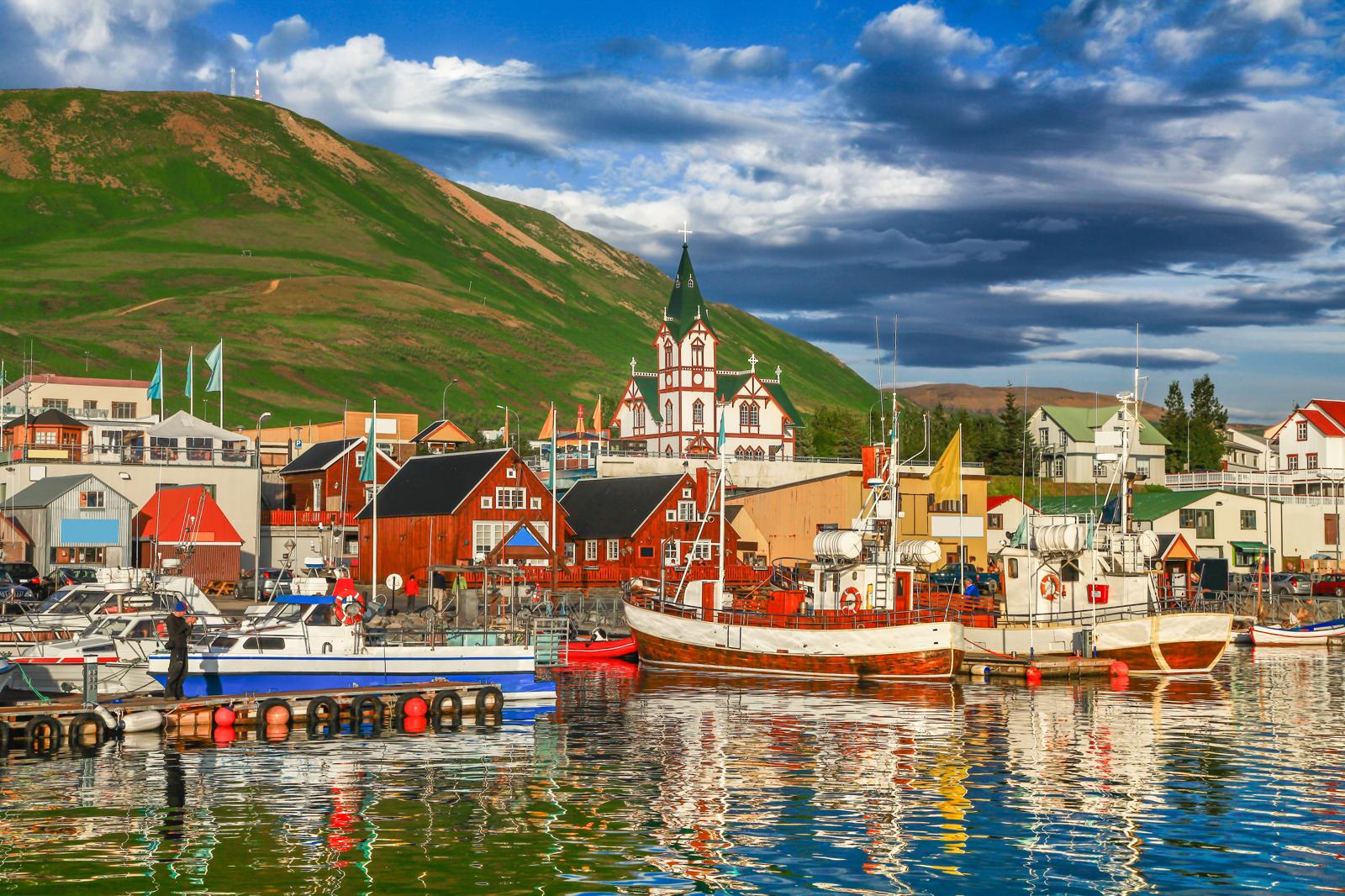
Traveling has become more than just a way to escape from the daily grind; for many, it’s an exploration of culture, nature, and self. Among the world’s plethora of destinations, Iceland stands out as a land of geological wonders and natural beauty. Its unique position, just below the Arctic Circle, shapes its climate, landscapes, and the best times to visit. If you’re considering a trip to this Nordic island nation, understanding the seasonal variations and what you can expect from each one is crucial. Let’s delve into the details and help you decide when to pack your bags for Iceland.
Understanding Iceland’s Weather Patterns
To make the most of your trip to Iceland, it’s essential to comprehend its weather patterns, which are, in a word, unpredictable. Iceland’s location in the North Atlantic ensures a maritime climate, which means it’s generally mild but can change rapidly. The Gulf Stream brings warm water from the Caribbean, moderating the temperature even in winter months.
Winter in Iceland (November to February) is dark and cold, but not as severe as one might expect. Temperatures average around 0°C (32°F), occasionally dipping below but rarely plummeting to extreme cold. This is the time of year when you’ll experience the shortest days; in December, Reykjavik gets only about four to five hours of daylight. However, winter is also the season to witness the mesmerizing Northern Lights, making it a popular time for those seeking this bucket-list spectacle.
Spring (March to May) sees the days rapidly lengthen and the landscape begin its thaw. You can expect more stable weather and slightly warmer temperatures ranging from 0 to 10°C (32 to 50°F). Spring is a transitional period, where you can still catch the Northern Lights early on but also enjoy the burgeoning wildlife and fauna.
Summer in Iceland (June to August) boasts long days with up to 24 hours of daylight at the solstice, famously known as the Midnight Sun. Temperatures are comfortable, averaging between 10 to 15°C (50 to 59°F), and sometimes reaching up to 20°C (68°F). It’s the prime time for outdoor activities like hiking, bird watching, and whale watching.
Fall (September to October) is another transitional phase with diminishing daylight and a crispness in the air. The average temperatures drop to about 5 to 10°C (41 to 50°F). The fall foliage in Iceland isn’t as dramatic as in some other parts of the world, given the sparse forests, but the landscapes change hues providing a different kind of beauty.
Best Time for Sightseeing
If your main goal is sightseeing, summer might be the best time to visit Iceland. With the warmest weather and the longest daylight hours, you’ll have ample time to explore the sights without worrying about darkness creeping in. During this season, all the highland roads are open, allowing access to the rugged interior of the island which is otherwise inaccessible during the winter months.
Summer is also when most of the wildlife, including puffins and whales, are most active and visible. Plus, it’s the perfect season for visiting the numerous geothermal pools and hot springs, such as the Blue Lagoon or the Secret Lagoon, which are enjoyable regardless of the weather due to the warm water temperatures.
However, summer is also Iceland’s peak tourist season, meaning popular spots can be crowded. If you prefer a quieter experience, late spring and early fall can provide a balance of reasonable weather and fewer tourists. Furthermore, prices for accommodations and car rentals are generally lower outside of the peak season.
Experiencing the Natural Phenomena
Iceland is renowned for its natural phenomena, such as the Northern Lights and the Midnight Sun. If seeing the aurora borealis is a priority, plan your visit between late September and early April. The dark, clear nights provide the best opportunity to see the lights dance across the sky. Remember, this natural display is elusive and never guaranteed, so consider staying multiple nights to increase your chances.
On the other hand, if you wish to experience the Midnight Sun, where the sun barely sets, visit from late May to early July. This period allows for adventurous midnight hikes or golf rounds at any hour. It can be disorienting to have such prolonged daylight, but it’s a unique experience that allows for non-stop travel adventures.
Outdoor Adventures and Festivals
For the outdoor enthusiasts looking to hike, camp, or partake in adventure sports, the summer months are definitely the time to visit. The country’s many national parks, like Þingvellir (Thingvellir), Vatnajökull, and Snæfellsjökull, are most accessible and offer a full spectrum of outdoor activities, from gentle walks to challenging glacier climbs.
Iceland also has a rich cultural calendar filled with festivals, particularly during the summer. The Secret Solstice music festival in June, the medieval-themed Viking festival, and the colorful Reykjavik Pride in August are just a few examples of events that add to the vibrant atmosphere of Iceland’s summer.
In conclusion, the best time to visit Iceland really depends on what you’re looking to get out of your trip. Each season offers its own unique set of experiences and sights. Whether you’re after the stark beauty of the winter and its Northern Lights, the boundless daylight and outdoor activities of the summer, or the fewer tourists and gentle landscapes of the shoulder seasons, Iceland is a destination that won’t disappoint. Understanding the weather patterns and what each season brings will help you plan the adventure that suits you best.
