
Polo’s Dynamic Rise: The Sport of Kings Accelerates into the Modern Era
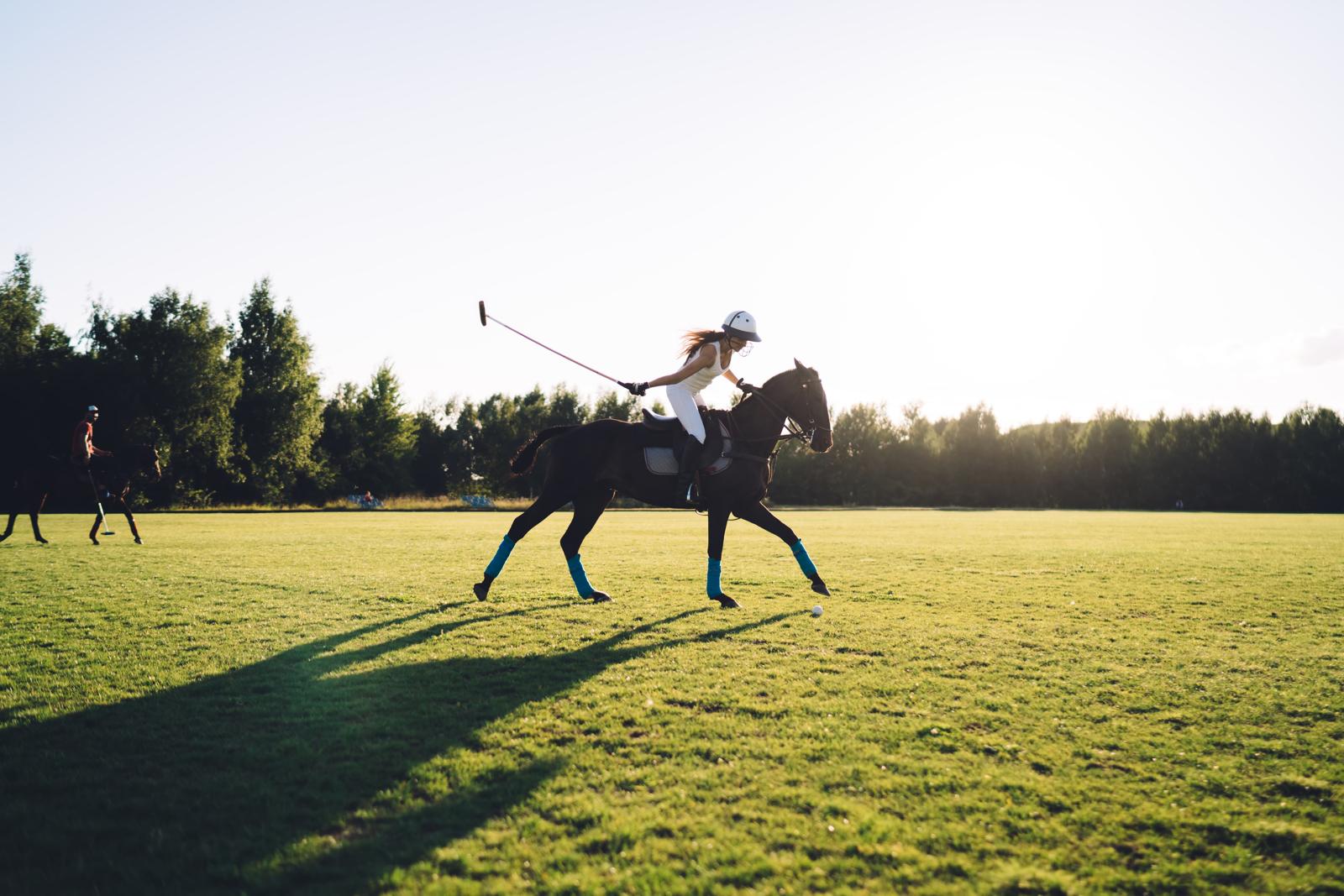
The game of polo, often referred to as “the sport of kings,” has a long and storied history that dates back thousands of years. Played on horseback, it combines elements of equestrian skill, strategic team play, and physical endurance. Polo is not just a sport; it’s a tradition that has evolved over centuries, crossing continents and cultures, and today it captivates a global audience. This text aims to unpack the intricacies and the allure of polo, a game that, while niche, has a dedicated following and an undeniable impact on the sports world.
Understanding the game
Polo is not merely about galloping on horseback and hitting a ball; it’s a sophisticated sport with a set of rules and strategies that can take years to master. A standard polo team consists of four players, and the objective is to score goals by driving a small white ball into the opposing team’s goal using a long-handled mallet. Unlike many team sports, polo is played on a vast field, which is 300 yards long and 160 yards wide, providing a unique challenge for both horse and rider.
The horses, often referred to as “polo ponies,” are the heart and soul of the game. They are not a specific breed, but are selected for their agility, speed, and temperament. A good polo pony is responsive and can turn quickly, stop on a dime, and accelerate to full speed in just a few strides. The bond between the player and the horse is paramount, and much of the sport’s skill lies in the rider’s ability to control and direct the horse while also focusing on the game.
Polo ponies undergo rigorous training to prepare for the demands of the sport. They learn to maneuver through a herd of horses and players, respond to the rider’s leg and weight cues, and tolerate the fast-paced action of a polo match. This horse-rider synergy is what makes the sport so thrilling to play and to watch.
Equipment and attire
The equipment used in polo is specialized and designed with both safety and performance in mind. Players are required to wear helmets, boots, and knee guards to protect themselves during the fast-paced and sometimes dangerous play. The mallet, with its bamboo shaft and hardwood head, is carefully selected to match the player’s arm length and swing style, making it a personalized tool of the trade.
The polo ball has also undergone changes over the years. Originally made of wood, modern polo balls are now crafted from a high-density plastic or similar material, which allows for a more consistent roll and better control in a variety of field conditions.
The attire worn during polo matches is iconic. Players traditionally wear white pants, a colored jersey representing their team, and often don a number indicating their assigned position on the field. This classic look not only serves a practical purpose but also adds to the sport’s aura of elegance and tradition.
Polo across the world
Though its origins can be traced back to ancient Persia, polo is now played across the globe, with major hubs in countries like Argentina, the United States, the United Kingdom, and India. Each region has contributed to the sport’s development, infusing local traditions and modifications. For instance, Argentina is recognized for producing many of the world’s top players and finest horses, and the country’s style of play is highly revered in the polo community.
Polo’s international reach is also evident in its tournaments and championships. The Argentine Open, the U.S. Open Polo Championship, and the British Gold Cup for the British Open Polo Championship are among the most prestigious events in the sport, attracting teams and spectators from around the world. These events are not just about the sport; they are social occasions, replete with fashion, networking, and festivity.
The culture of polo
Polo is more than just a game; it’s a lifestyle for those who play and follow it. The sport is associated with a certain level of affluence and sophistication, partly due to the costs associated with maintaining horses and accessing polo clubs. However, at its core, polo is a community bound by a deep love for the equestrian arts and the thrill of the game.
Players often form close-knit circles, where mentorship, camaraderie, and mutual respect are highly valued. Furthermore, polo has had a considerable influence on fashion, with brands like Ralph Lauren using the sport as inspiration for clothing lines that epitomize a blend of casual elegance and classic style.
Polo continues to grow in popularity, with clubs and schools working to make the sport more accessible to a broader audience. Initiatives aimed at youth development and community engagement are also helping to demystify the sport and encourage new talent to take up the mallet.
In conclusion, polo is a complex and captivating sport that offers a unique blend of athleticism, strategy, and equestrian skill. Its rich history and global presence make it a fascinating subject for both enthusiasts and newcomers alike. Whether one is in it for the love of horses, the thrill of competition, or the allure of its culture, polo remains a timeless testament to the enduring human spirit for challenge, teamwork, and elegance on the field.
