
Jordan when to go?: Scopri il momento perfetto per esplorare le meraviglie della Giordania
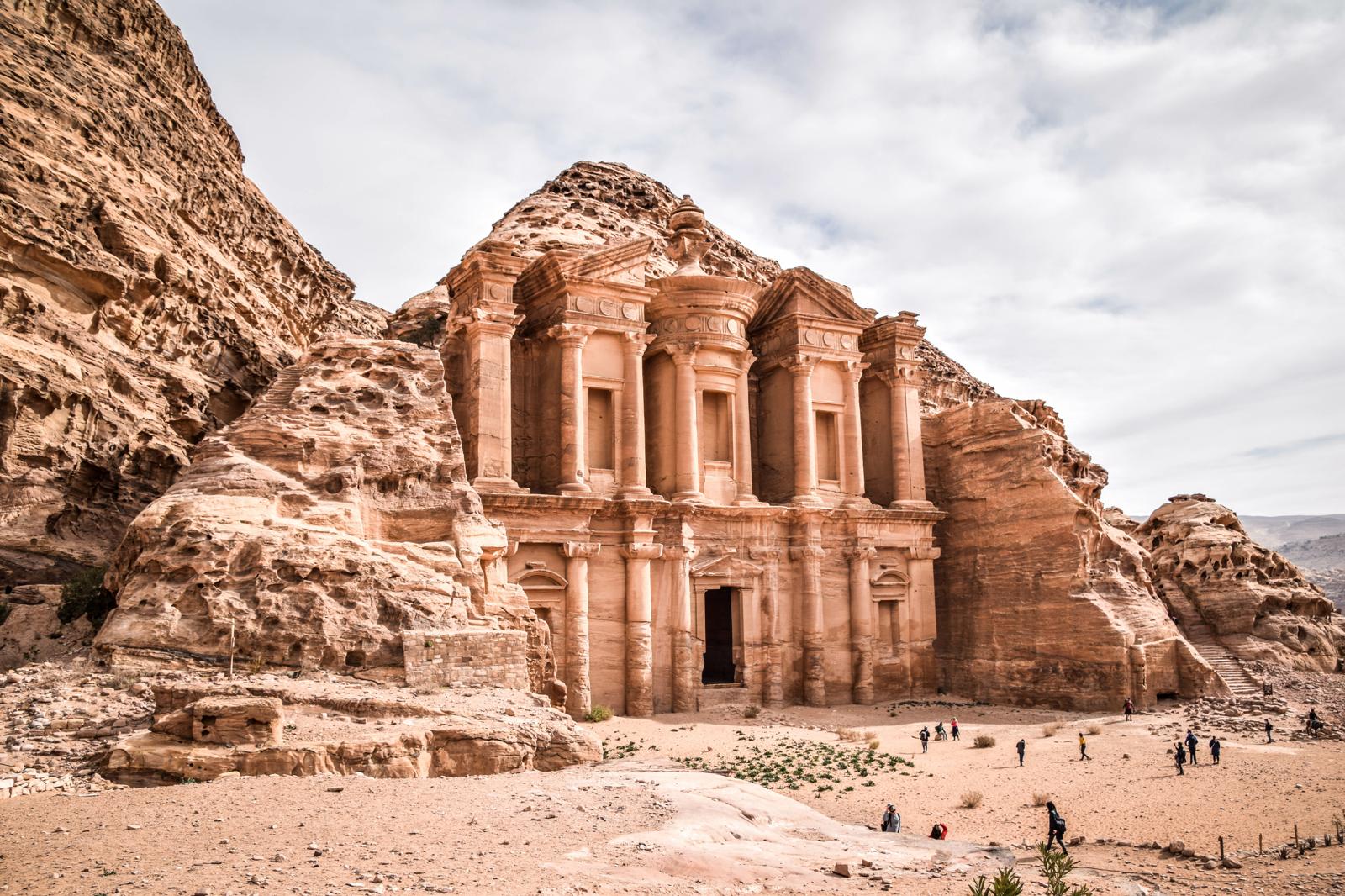
The Hashemite Kingdom of Jordan, a country rich with historical landmarks and natural wonders, is a destination that attracts travelers from all corners of the globe. From the ancient city of Petra to the tranquil waters of the Dead Sea, Jordan offers a unique blend of adventure, relaxation, and education. However, visiting this Middle Eastern gem requires some planning, particularly when it comes to timing. Choosing the right time to visit Jordan can greatly impact your experience, as the country’s climate and cultural events vary throughout the year. In this article, we’ll explore the various factors to consider to help you decide the best time for your journey to Jordan.
Understanding Jordan’s Climate
Jordan’s climate is primarily arid and semi-arid, with a wide variation between seasons and regions. The country experiences hot, dry summers and mild, wet winters. It’s essential to understand these climate patterns to ensure a comfortable trip, especially if you’re planning to engage in outdoor activities such as hiking in the Dana Biosphere Reserve or camping in the Wadi Rum desert.
Summer in Jordan, especially from June to August, can be intensely hot, with temperatures often exceeding 30°C (86°F), and in the desert areas, it can soar to over 40°C (104°F). If you’re not accustomed to such heat, it may not be the best time for you to visit, particularly for exploring the outdoors. However, summer is considered the low season for tourism, which can mean fewer crowds and lower prices.
Spring, from March to May, and autumn, from September to November, offer more temperate weather, with milder temperatures and pleasant conditions for sightseeing and hiking. These seasons also bring the beauty of blooming flowers in spring and the golden hues of fall, adding a visual splendor to your travel experience.
Winter, occurring from December to February, brings cooler weather and occasional rainfall. While this may seem less appealing, it is an excellent time for cultural experiences and visiting historical sites without the heat. Additionally, winter is the season for enjoying Jordan’s famous hot springs, like those at Ma’in.
Cultural Events and Festivals
Jordan’s rich cultural tapestry is showcased through its many festivals and events, which can add an extra layer of excitement to your visit. Experiencing local traditions, cuisine, and hospitality can make your trip truly memorable.
One of the most notable festivals is the Jerash Festival of Culture and Arts, which takes place in the ancient Roman city of Jerash. This event is usually held in the summer months and features performances, art, and food from across Jordan and the Middle East. While the festival is a highlight, the summer heat can be intense, so plan accordingly.
Ramadan, the holy month of fasting for Muslims, is another significant period in Jordan. The dates of Ramadan vary each year, but it often falls in the spring or early summer. During this time, the pace of life slows down, and many businesses operate on reduced hours, especially during the day. However, after sunset, the streets come alive with festivities and feasting. If you choose to visit during Ramadan, it’s a chance to witness Jordan’s spiritual side, but be prepared for some inconveniences and show respect for local customs by not eating or drinking in public during daylight hours.
Visitor Crowds and Peak Seasons
The number of visitors to Jordan typically peaks during the spring and autumn months, coinciding with the best weather conditions. If you prefer to avoid large crowds, especially at popular sites like Petra, the Dead Sea, and Wadi Rum, you might consider traveling during the shoulder seasons.
The shoulder seasons, which fall at the beginning of spring and the end of autumn, offer a balance between good weather and fewer tourists. This can also be a strategic time to find deals on accommodation and tours, as prices often drop slightly before and after the high season rush.
Adventure and Outdoor Activities
For the adventure-seekers and nature enthusiasts, the best time to visit Jordan largely depends on the activities you’re interested in. If hiking and trekking are on your agenda, the cooler months of late spring and early autumn provide optimal conditions. During these times, the temperature is comfortable for physical activity, and the landscapes are at their most vibrant.
For those looking to dive into the Red Sea’s coral reefs or float in the Dead Sea, the warmer months might be more appealing. The waters are inviting, and you can comfortably enjoy these unique aquatic experiences without the chill you might feel during the winter.
In conclusion, the ideal time to visit Jordan hinges on your preferences and the experiences you seek. Whether you’re drawn by the allure of the country’s historical and natural sites, the cultural festivities, or outdoor adventures, there’s a season in Jordan that will suit your travel desires. By considering the climate, cultural events, visitor crowds, and your activity interests, you can plan a trip that maximizes your enjoyment and makes your Jordanian journey unforgettable.
