
Modern Pentathlon: The Quintessential Olympic Challenge
The concept of the pentathlon can be traced back to the ancient Greek Olympic Games, where it was introduced as a competition for the most skillful athletes who could master a range of different events. In modern times, the pentathlon has been adapted and evolved into what we now know as the Modern Pentathlon, a multi-discipline sport that tests the versatility, endurance, and skills of an athlete across five distinct events. The Modern Pentathlon includes fencing, swimming, equestrian show jumping, and a combined event of pistol shooting and cross-country running, known as the laser-run. Designed to encapsulate the diverse skill set of a 19th-century cavalry soldier, the sport has since become a fascinating and unique challenge that captures the essence of a true all-around athlete.
Understanding the modern pentathlon
The Modern Pentathlon was introduced in the early 20th century by the founder of the modern Olympic Games, Baron Pierre de Coubertin. He envisioned an event that would reflect the skills a soldier would require during the time. As such, each of the five disciplines was chosen to represent different aspects of military life: fencing for combat skills, swimming as a test of aquatic proficiency, equestrian show jumping to display horsemanship, and the laser-run to exemplify the quick decision-making and agility needed for survival.
A typical pentathlon competition takes place over one day, with athletes competing against each other in all five disciplines. Points are awarded in each event, and the overall winner is the athlete with the highest combined score at the end of the day.
Fencing
Fencing is the first discipline in the Modern Pentathlon, where athletes face each other in a series of one-touch épée bouts. The épée is a sword with a stiff blade and a large hand guard, used for thrusting at the opponent. Each athlete fences every other competitor once, and bouts last until a touch is scored or for a maximum of one minute. The goal is to score as many victories as possible, which translates into points towards the overall pentathlon score.
Swimming
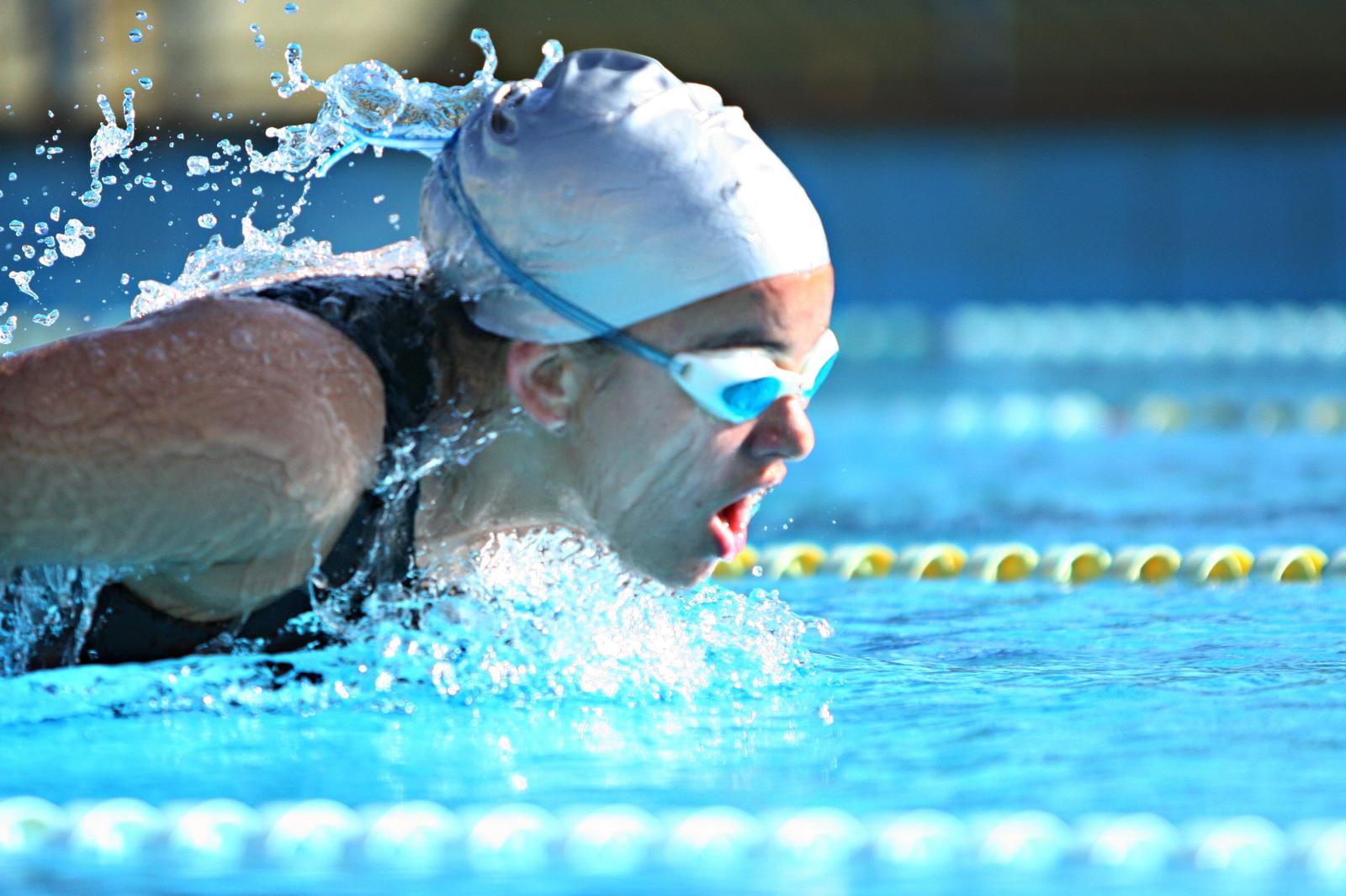
The swimming event consists of a 200-meter freestyle swim, where athletes race against the clock in a swimming pool. Speed and efficiency in the water are crucial as the time taken to complete the swim also converts to points. Training for this discipline often includes a mixture of endurance swimming and speedwork to ensure that athletes can maintain a strong pace throughout the entire distance.
Equestrian show jumping
In the equestrian discipline, pentathletes are required to ride an unfamiliar horse over a show jumping course with 12 to 15 obstacles. Athletes have only 20 minutes to warm up and familiarize themselves with the horse before entering the arena. This event measures the rider’s ability to form an instant bond with the horse and navigate the course effectively, making it one of the most unpredictable and challenging aspects of the Modern Pentathlon.
Laser-run
The final event of the pentathlon, the laser-run, combines pistol shooting with cross-country running in an exciting and dynamic format. Athletes must hit a series of targets with a laser pistol within a fixed time before embarking on an 800-meter run. This sequence is repeated four times, with the shooting requiring calm precision and the running demanding high levels of cardiovascular fitness. The laser-run is the climax of the pentathlon, often determining the final standings as athletes push through fatigue in pursuit of victory.
Training for the modern pentathlon
Training for the Modern Pentathlon requires a diverse range of skills and a high degree of discipline. Athletes must balance their time between the five sports, ensuring that they are proficient in each discipline while also focusing on their weaknesses. It is not uncommon for pentathletes to train multiple times a day, often with different coaches for each sport.
Strength and conditioning are also critical components of a pentathlete’s training regimen. A carefully structured program that includes resistance training, plyometrics, and agility drills can help improve performance across all five events. Additionally, mental preparation is vital, as athletes must be able to seamlessly transition between the varying demands of each discipline and maintain focus throughout the intensity of competition.
The allure of the modern pentathlon lies in its test of both physical and mental fortitude. Athletes must exhibit mastery across a range of skills, adapt to different challenges, and remain poised under pressure. The sport’s unique combination of disciplines ensures that no single event can dominate, and only the most well-rounded competitors can aspire to reach the pinnacle of success in the Modern Pentathlon.
